

1998-2004 Tracker & 1998-1999 Sunrunner 1.6L Coolant Pump: Leaks, Overheating, and Timing Belt Guide
Diagnose a failing water pump on your 1.6L Chevrolet Tracker or Pontiac Sunrunner and learn why it's critical to replace it with the timing belt.
- This pump fits the 1.6L engine ONLY, not the 2.0L or 2.5L engines also found in the Chevrolet Tracker.
- Replacement is a major job because the pump is driven by the timing belt. The timing belt, tensioner, and idler should always be replaced at the same time.
- The most common failure symptoms are coolant leaks from the front of the engine, overheating, and a grinding/whining noise.
- Driving with a failing water pump is risky; a seized bearing can break the timing belt and cause catastrophic engine damage.
Compatibility Warning: 1.6L Engine Only

Important: This coolant pump fits ONLY the 1.6L 16-valve SOHC engine (Suzuki G16B engine) used in the 1998-2004 Chevrolet Tracker and 1998-1999 Pontiac Sunrunner. The Chevrolet Tracker was also available with a 2.0L 4-cylinder and a 2.5L V6 engine, which use completely different coolant pumps. The Pontiac Sunrunner was only offered with the 1.6L engine. Always verify your vehicle's engine size before ordering this part.
Symptoms of a Failing Coolant Pump

A failing coolant pump usually gives one or more distinct warning signs. Ignoring them can lead to severe engine damage from overheating.
- Coolant Leak: This is the most common symptom. You may notice drips or puddles of green, orange, or pink fluid under the front-center of your vehicle. The pump has a "weep hole" on its housing that is designed to leak small amounts of coolant when the internal seal starts to fail.
- Engine Overheating: If the pump's impeller is corroded or the bearing has seized, it can no longer circulate coolant effectively. This will cause the engine temperature gauge to climb into the red zone, especially when idling or in stop-and-go traffic.
- Grinding or Whining Noise: A high-pitched whine or a rough, grinding sound coming from the front of the engine that changes with engine RPM is a classic sign of a failing pump bearing. The bearing supports the shaft that spins the impeller, and when it wears out, it creates noise.
- Wobbly Pulley: If the bearing is severely worn, you may be able to physically wiggle the water pump pulley. With the engine off and cool, grasp the pulley and try to move it back and forth. Any play or wobble indicates the bearing has failed and the pump needs immediate replacement.
Buying a Used Coolant Pump: What to Inspect

A high-quality, low-mileage used OEM coolant pump can be a reliable and cost-effective alternative to a new part, especially when compared to cheap aftermarket options which may use lower-quality bearings or plastic impellers. Here’s what to check before you buy:
- Check the Weep Hole: Inspect the small hole on the pump housing. Look for any signs of dried coolant residue (crusty, colored stains) or active wetness. A clean, dry weep hole is a good sign.
- Spin the Shaft/Hub: Turn the hub where the pulley mounts by hand. It should spin smoothly and silently. Any roughness, grinding, or catching indicates a bad bearing.
- Check for Shaft Play: Try to wiggle the hub in and out and side to side. There should be absolutely no play or wobble. Any movement means the bearing is worn out.
- Inspect the Impeller: Look at the impeller blades on the back of the pump. They should be clean and free of significant corrosion or damage. On some aftermarket pumps, these can be plastic, but OEM pumps typically use more durable metal impellers.
- Examine the Gasket Surface: The surface where the pump mounts to the engine should be flat and free of deep scratches, corrosion, or pitting that could prevent a good seal.
- Verify Part Numbers: If possible, match the casting or part number on the pump to the list of known OEM numbers to ensure you have the correct part for your 1.6L engine.
Replacement Guide: This is a Timing Belt Job

Replacing the coolant pump on the 1.6L Tracker and Sunrunner engine is a complex task because the pump is driven by the timing belt. This makes the job significantly more involved than a simple bolt-off, bolt-on accessory replacement.
Pro Tip: Because you must remove the timing belt to access the water pump, it is critical to replace the timing belt, tensioner pulley, and idler pulley at the same time. These components wear at a similar rate, and the majority of the cost is labor. Replacing them all at once prevents having to do the same expensive job again if the old belt or tensioner fails soon after. This is often sold as a "timing belt kit with water pump."
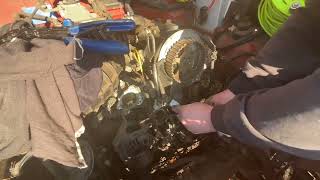
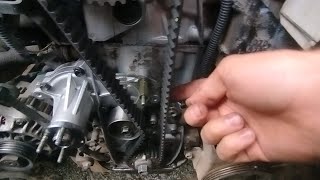
🎬 Watch this step-by-step G16B timing belt and water pump replacement video.Installation Difficulty & Labor Costs
- Difficulty: 4 out of 5 (Advanced)
- Estimated Time: 3-5 hours
- DIY Feasibility: Not recommended for beginners. This job requires precise engine timing procedures. Setting the timing incorrectly can cause the valves to hit the pistons, resulting in catastrophic engine damage. 🎬 Ver video: Cómo cambiar la correa de distribución y bomba de agua en español.
- Shop Labor Cost: Expect to pay between $287 and $421 for labor, as the job involves removing the accessory belts, timing belt covers, and the timing belt itself.
| Part Type | Estimated Cost |
|---|---|
| New OEM | $380 - $480 |
| New Aftermarket | $50 - $135 |
| Used OEM | $40 - $80 |
| Shop Labor | $287 - $421 |
| Complete Job (Aftermarket Parts + Labor) | $669 - $898 |
Known Issues, Recalls, and TSBs
There are no specific recalls or Technical Service Bulletins (TSBs) from the NHTSA related to the coolant pump on the 1998-2004 Chevrolet Tracker or Pontiac Sunrunner. Failures are typically due to normal wear and tear over time. However, there was a special coverage program (06186) for 1999-2004 Trackers concerning front suspension crossmember corrosion in salt-belt states, which is unrelated to the cooling system but important for owners to be aware of.
Technical Specifications
This part is shared across a wide range of Suzuki vehicles, which is why so many part numbers exist.
- Engine Application: Suzuki G16B 1.6L 16-Valve SOHC I4
- Driven By: Engine Timing Belt
- Common GM Part Numbers: 91174230, 91174494, 91176170
- Common Suzuki Part Numbers: 17400-60A02, 17400-77812, 17400-77813
Frequently Asked Questions (FAQ)
Can I drive with a leaking coolant pump?
It is not recommended. A small leak can quickly become a large one, leading to rapid coolant loss and engine overheating. If the pump bearing seizes, it can shred the timing belt, causing the engine to stop suddenly and likely resulting in major internal damage. You should get the vehicle repaired as soon as possible.
Do I really need to change the timing belt with the water pump?
Yes, absolutely. The timing belt must be removed to replace the water pump. Since the labor is the most expensive part of the job, installing a new belt, tensioner, and idler pulley at the same time is standard and wise practice. Failure to do so risks having the old belt fail, which would require re-doing the entire job and could destroy your engine.
Is the Pontiac Sunrunner pump the same as the Chevrolet Tracker pump?
Yes, for the 1.6L engine, the parts are identical. The Pontiac Sunrunner was a rebadged version of the Suzuki Sidekick/Vitara sold in Canada, just as the Chevrolet Tracker was. As long as both vehicles have the 1.6L engine, the coolant pump is the same.
What kind of coolant should I use in my Tracker or Sunrunner?
For these vehicles, a conventional green or a universal yellow/gold extended life coolant is typically recommended. Always check your owner's manual for the specific type. When refilling the system after a pump replacement, be sure to properly bleed the air out to prevent hot spots and overheating.
Helpful Videos
Technical Specifications
OEM Part Numbers: 91174230 91174494 91176170 16100-85FA2 17400-60811 17400-60812 17400-60813 17400-60814 17400-60815 17400-60A02 17400-60A04 17400-77810 17400-77811 17400-77812 17400-77813
Fits Suzuki G16B 1.6L 16-Valve SOHC engine. Driven by the timing belt. Gasket is typically included with the pump.

The information in this article is provided for general reference and educational purposes only. Vehicle specifications, procedures, and part compatibility can vary by production date, trim level, and region. Always consult your vehicle's factory service manual and verify part numbers before purchasing or performing repairs. Safety-critical components such as airbags, seat belts, and braking systems should be installed by a qualified professional.
- Chevrolet Tracker:
- Pontiac Sunrunner:
- 🎬 Helpful Videos
- Compatibility Warning: 1.6L Engine Only
- Symptoms of a Failing Coolant Pump
- Buying a Used Coolant Pump: What to Inspect
- Replacement Guide: This is a Timing Belt Job
- Installation Difficulty & Labor Costs
- Known Issues, Recalls, and TSBs
- Technical Specifications
- Frequently Asked Questions (FAQ)
- 🎟️ Get 5% Off