

2022-2025 Lucid Air Coolant Hose: Leaks, Recalls, and Replacement Guide
Understanding the critical thermal management hoses in your Lucid Air, including symptoms of failure and what to check when buying a used part.
- Any coolant leak, indicated by orange fluid puddles or a sweet smell, is critical and risks damage to the battery and drive units.
- There are no recalls for coolant hoses, but a recall for the High Voltage Coolant Heater (NHTSA 24V-495) affects the same system.
- When buying a used hose, physically inspect it for cracks, swelling, and soft/spongy spots, especially near the ends.
- Only use the exact OEM molded hose and specified orange Dexcool coolant; universal parts or the wrong fluid can cause severe damage.
Symptoms of a Failing Coolant Hose
While no widespread issues with coolant hoses on the 2022-2025 Lucid Air have been reported, these components are subject to wear and tear on any vehicle. A failure can be serious, potentially leading to overheating of the battery or drive units. Be aware of the following symptoms:
- Orange Puddles Under the Car: The most obvious sign of a leak is a puddle of colored fluid. Lucid uses an orange-colored Dexcool coolant. Any puddle that is not clear water (which is typically normal A/C condensation) should be investigated immediately.
- Sweet Smell From Engine Bay: A distinct, sweet odor, especially after the vehicle has been running, can be a sign of coolant leaking onto hot components and evaporating before it hits the ground.
- Low Coolant Warnings: The vehicle's system monitors coolant levels. A persistent low coolant warning on your display indicates a leak somewhere in the system.
- Overheating Alerts: Your Lucid Air will warn you if the battery or propulsion system is overheating. While this can have many causes, a significant coolant leak is a primary suspect.
- Visible Hose Damage: A physical inspection can reveal a failing hose. Look for cracks, splits, hardening, or sections that appear swollen or bulging. A hose contaminated with oil or other fluids may feel soft, spongy, or mushy.
- Hissing Sounds: A hissing noise from the front or rear of the car when running can be caused by pressurized coolant spraying from a small pinhole in a hose.
Known Issues, TSBs, and Recalls
As of mid-2024, there are no recalls or Technical Service Bulletins (TSBs) specifically for coolant hose failures on the 2022-2025 Lucid Air.
However, there is a significant safety recall related to the cooling system. NHTSA Campaign Number 24V-495 (Lucid recall number SR-24-04-0) was issued for 7,506 vehicles from the 2022-2024 model years. This recall addresses a potential internal failure of the High Voltage Coolant Heater (HVCH), which can lead to a loss of the windshield defrosting function, increasing the risk of a crash. The remedy involves a software update to better detect a failing HVCH and a free replacement of the heater unit if it does fail. While this is not a hose issue, it highlights the integrated nature of the vehicle's thermal management system.
Pro Tip: When diagnosing a cooling system issue, always check the vehicle's service history to see if recall SR-24-04-0 has been addressed. A malfunctioning heater could present symptoms that might be confused with other cooling system problems.
Buying a Used Lucid Air Coolant Hose
Given the complexity and critical function of the Lucid Air's thermal management system, sourcing a quality used OEM hose is often a better choice than waiting for unproven aftermarket options. Here’s what to inspect before you buy:
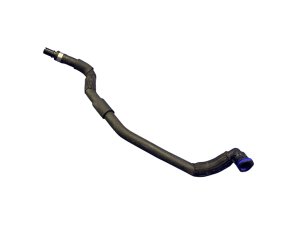
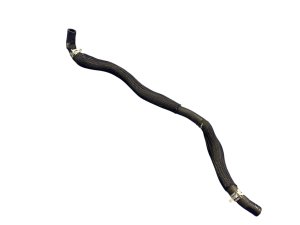
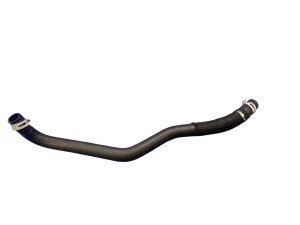
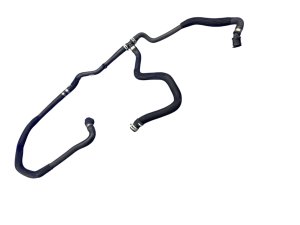
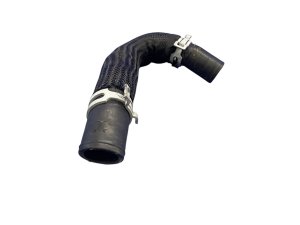
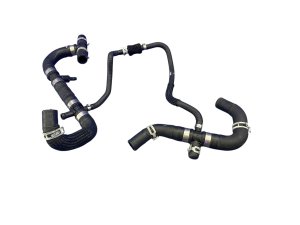
- Verify the Part Number: The Lucid Air has numerous coolant hoses that are not interchangeable. A hose for the battery may be different from one for the drive unit or the cabin heater. Ensure the part number on the hose you are buying matches the one you are replacing. The known OEM part number P11-M50108 is one of several in the system.
- Perform a Squeeze Test: Squeeze the entire length of the hose. A good hose should feel firm and pliable. Red flags include sections that are rock-hard and brittle, or areas that feel soft, spongy, or mushy. Pay special attention to the ends near the clamps, as softness there can indicate internal electrochemical degradation.
- Inspect for Swelling or Cracks: Look down the length of the hose for any signs of bulging or swelling, which indicates the internal structure has failed. Flex the hose gently to reveal any hidden cracks, which can start small and grow quickly under pressure.
- Check for Contamination: Look for oily residue on the hose. Oil and other automotive fluids can break down the rubber, causing it to soften, swell, and fail prematurely. A hose from a vehicle with known oil leaks should be avoided.
- Consider the Donor Vehicle's Mileage: While age is a factor, heat cycles are the primary cause of wear. A hose from a lower-mileage vehicle is always a safer bet. Hoses are wear items, but a used OEM part from a low-mileage car is often superior in material quality and fitment to a new, cheap aftermarket part.
Cost to Replace a 2022-2025 Lucid Air Coolant Hose
Pricing for specific Lucid Air repairs can be difficult to pinpoint due to the vehicle's newness and the limited service network. The following are estimates to help you budget for a replacement.
| Part/Service | Estimated Cost | Notes |
|---|---|---|
| New OEM Coolant Hose | $100 - $300+ | Currently a dealer or Lucid Service Center-only part. Price is an estimate, as official parts are not sold online. |
| New Aftermarket Coolant Hose | Not Available | As of late 2024, specific aftermarket hoses for the Lucid Air are not widely available. |
| Used OEM Coolant Hose | $50 - $150 | Price depends on the specific hose, condition, and supplier. |
| Shop Labor & Coolant | $300 - $600+ | Labor can be 2-4+ hours. The complex EV system may require special procedures for draining, refilling, and bleeding air, increasing labor time compared to a traditional car. |
Frequently Asked Questions (FAQ)
What type of coolant does the 2022-2025 Lucid Air use?
The Lucid Air uses an orange-colored, organic acid technology (OAT) coolant, specifically Dexcool, for its battery and drive unit thermal management system. It is critical to use only the specified coolant type to prevent corrosion and damage to the system.
Can I use a universal coolant hose on my Lucid Air?
No. The coolant hoses on a Lucid Air are custom-molded to fit precisely around other components in tight spaces. A universal hose will not have the correct bends and may kink, restricting flow, or rub against other parts, causing premature failure. Always use the exact OEM part for your vehicle.
Is a small coolant leak a serious problem?
Yes. Any coolant leak on a Lucid Air should be considered serious. The cooling system is vital for the health of the high-voltage battery and propulsion components. A small leak can quickly become a large one, leading to overheating and extremely expensive repairs. Do not continue to drive a vehicle with a known coolant leak.
How difficult is it to replace a coolant hose on a Lucid Air?
The difficulty is estimated at 4 out of 5. While the basic steps are similar to any car, access to the hoses can be extremely limited. The procedure also requires safely draining and refilling the specialized cooling system and performing a vacuum-fill or other specific bleeding procedure to remove all air pockets, which is critical for EV thermal systems. This job is best left to technicians with experience in high-voltage EV repair.
Technical Specifications
OEM Part Numbers: P11-M50108
Coolant Type: Dexcool (Orange, OAT)
We Have This Part in Stock

The information in this article is provided for general reference and educational purposes only. Vehicle specifications, procedures, and part compatibility can vary by production date, trim level, and region. Always consult your vehicle's factory service manual and verify part numbers before purchasing or performing repairs. Safety-critical components such as airbags, seat belts, and braking systems should be installed by a qualified professional.
- Lucid Air: