

2017-2021 Hyundai Ioniq Console: Decoding Vents, Model Years, and Part Numbers
This guide clarifies the critical differences between Ioniq console panels, ensuring you buy the right part for your Electric, Hybrid, or Plug-in model.
- The most critical compatibility check is for rear A/C vents. Ioniq Electric models do not have them; some Hybrid/PHEV models do. The parts are not interchangeable.
- There was a major interior redesign in 2020. Consoles for 2017-2019 models are NOT compatible with 2020-2021 models.
- When buying a used console, the most important things to inspect are the plastic mounting tabs and the armrest latch mechanism, which are common failure points.
- Complete aftermarket console replacements are not available, making a used OEM part the only cost-effective alternative to an expensive new dealer part.
Key Compatibility Checks for 2017-2021 Ioniq Consoles
Warning: Before ordering a replacement console panel for a Hyundai Ioniq, you must verify two critical details. Failure to do so will likely result in receiving a part that does not fit.
- Rear Air Vents: Check if your current console has air vents for the rear passengers. Ioniq Electric models do NOT have rear vents, while some Hybrid and Plug-in Hybrid (PHEV) models do. A console with vents and one without are not interchangeable.
- Model Year Split: The Hyundai Ioniq received a major interior update in 2020. Consoles from 2017-2019 models are NOT compatible with 2020-2021 models, and vice-versa. The dashboard mounting points and overall design are different.
Symptoms of a Failing or Damaged Console Panel
Failure of a center console is typically related to physical damage or cosmetic wear rather than mechanical breakdown. Here are the most common issues owners experience:
- Peeling or Scratched Finish: The soft-touch coating or paint on the console sides and armrest can scratch or peel away from contact with bags, keys, or even knees resting against it.
- Broken Armrest Latch: The latch securing the armrest lid can break from repeated use, preventing the storage compartment from closing securely.
- Damaged Cupholder Mechanism: The spring-loaded tabs or sliding covers in the cupholder area can break, failing to hold drinks properly or close flush.
- Cracked or Broken Plastic: High-stress areas, especially around mounting points, can crack. This can cause the console to feel loose or creak while driving.
- Inoperative Electronics: While not a failure of the panel itself, the integrated components can fail. This includes dead USB ports, a non-functional 12V power outlet, or a faulty wireless charging pad.
Buying a Used Ioniq Console Panel: What to Inspect
Given the high cost of a new OEM console, a used part is an excellent value. However, careful inspection is crucial to ensure you get a quality replacement.
1. Confirm Compatibility First
Before anything else, confirm the donor vehicle matches your Ioniq's specifications:
- Model Year Range: Ensure the donor car is from the same generation (2017-2019 or 2020-2021) as yours.
- Rear Vents: Physically look at the photos of the used part to confirm it matches your vehicle's vent configuration (or lack thereof). A used parts listing may state it fits a Hybrid without vents, which is possible on some trims. Always trust the visual evidence over a generic description.
2. Physical Inspection Checklist
- Mounting Tabs: This is the most critical inspection point. Check all edges for intact plastic mounting tabs and clips. If these are broken, the console will not sit securely and may rattle or have large gaps.
- Armrest Latch and Hinge: Open and close the armrest lid multiple times. Ensure the latch clicks shut firmly and the hinge operates smoothly without binding.
- Surface Condition: Look for deep scratches, gouges, or areas where the finish is peeling. Minor scuffs may be acceptable, but significant cosmetic damage defeats the purpose of the replacement.
- Included Electronics: Verify which electronic components are included. Does it come with the USB/AUX port, 12V socket, and wireless charger? Ask the seller if these components were tested and functional before removal.
Pro Tip: For interior trim, used OEM parts are almost always a better choice than aftermarket alternatives. Aftermarket consoles for this vehicle are virtually non-existent, and if available, they often suffer from poor fitment, color mismatch, and inferior materials. A used OEM part ensures a perfect match for color, texture, and fit.
Cost of a 2017-2021 Hyundai Ioniq Console Panel
| Part Type | Estimated Cost | Notes |
|---|---|---|
| New OEM | $1,300 - $2,000+ | This is for a complete upper console assembly from a dealer. Prices can be very high. The armrest alone can be $270-$385. |
| New Aftermarket | Not Available | Complete console assemblies are generally not produced by aftermarket manufacturers. Only small accessories like organizers are available. |
| Used OEM | $150 - $350 | Offers significant savings. Price depends on condition, included electronics, and the seller. |
| Shop Labor | $150 - $300 | A professional mechanic will typically charge for 1.5-2.5 hours of labor to perform the swap. |
Vehicle-Specific Issues: Recalls and TSBs
While there are no specific recalls or Technical Service Bulletins (TSBs) for the plastic console panel itself, the 2017-2021 Ioniq has been subject to several important safety recalls that owners should be aware of.
- NHTSA Recall 18V-704 / Hyundai Recall 178: Affects certain 2017-2018 Ioniq Hybrid and PHEV models for an inadequate connection in the main power relay assembly, which could increase fire risk.
- NHTSA Recall 17V-532 / Hyundai Recall 166: On some 2017 Ioniq Electric models, defects in the Electronic Power Control Unit (EPCU) could allow coolant to enter, potentially causing the vehicle to stall.
- Unintended Acceleration: Certain 2017-2019 Ioniq Electric vehicles were recalled because an unstable electrical ground could cause the vehicle to enter a fail-safe mode where it may accelerate after the pedal is released.
- Battery Short-Circuit: Some 2019-2020 Ioniq Electric vehicles were recalled due to a risk of the main lithium-ion battery short-circuiting.
These issues are not related to the console panel but are critical safety items for the vehicle as a whole. You can check for open recalls on your specific vehicle by entering your VIN on the NHTSA website.
Replacement Overview
Replacing the center console is a manageable DIY task for those with basic tools and patience. A video showing the process of loosening the console suggests the main steps involve prying off side panels and removing several screws.
- Difficulty: 2 out of 5
- Estimated Time: 1.5 - 2 hours
- Tools Required: Plastic trim removal tools, Phillips head screwdriver, socket set.
- General Steps:
- Disconnect the negative battery terminal.
- Use trim removal tools to carefully pry off the side panels of the console.
- Remove screws located at the front of the console (near the dashboard), at the rear, and inside the main storage compartment.
- Gently lift the console. Before removing it completely, disconnect all electrical connectors for power outlets, USB ports, and switches.
- Transfer any needed components from the old console to the new one.
- Installation is the reverse of removal. Reconnect all electronics before fully seating and screwing the console into place.
Frequently Asked Questions (FAQ)
Can I install a console with rear vents in my Ioniq Electric that doesn't have them?
No, this is not a feasible swap. The Ioniq Electric lacks the necessary HVAC ductwork under the floor that would connect to the vents. The console simply would not have anything to connect to, and the part would not fit correctly with the floor pan.
What do the different part numbers like 84610-G7100-T9Y and 84660-G7000-T9Y mean?
These numbers refer to different components of the overall console assembly. For example, 84610-G7100-T9Y is the main floor console assembly, while 84660-G7000-T9Y is the armrest assembly. When buying a used console, it's best to purchase it as a complete assembly to ensure all pieces match.
Is the wireless phone charger (Qi pad) part of the console?
Yes, on models equipped with it, the wireless charging pad is integrated into the forward storage tray of the center console. When buying a used console, verify if it includes the charging pad and if it was confirmed to be working.
How can I fix a peeling or scratched console without replacing it?
For minor scratches or peeling, some owners opt for a vinyl wrap. You can buy automotive-grade vinyl wrap in various finishes (like matte black, carbon fiber, etc.) and apply it over the damaged areas. This is a cost-effective way to restore the look of the console without the expense and labor of a full replacement.
Technical Specifications
OEM Part Numbers: 84610-G7100-T9Y 84610G7100T9Y 84635-G7100-T9Y 84635G7100T9Y 84660-G7000-T9Y 84660G7000T9Y 84670-G7000-T9Y 84670G7000T9Y 84611-G2000-T9Y
Primarily defined by model year (2017-2019 vs 2020-2021) and presence of rear air vents.
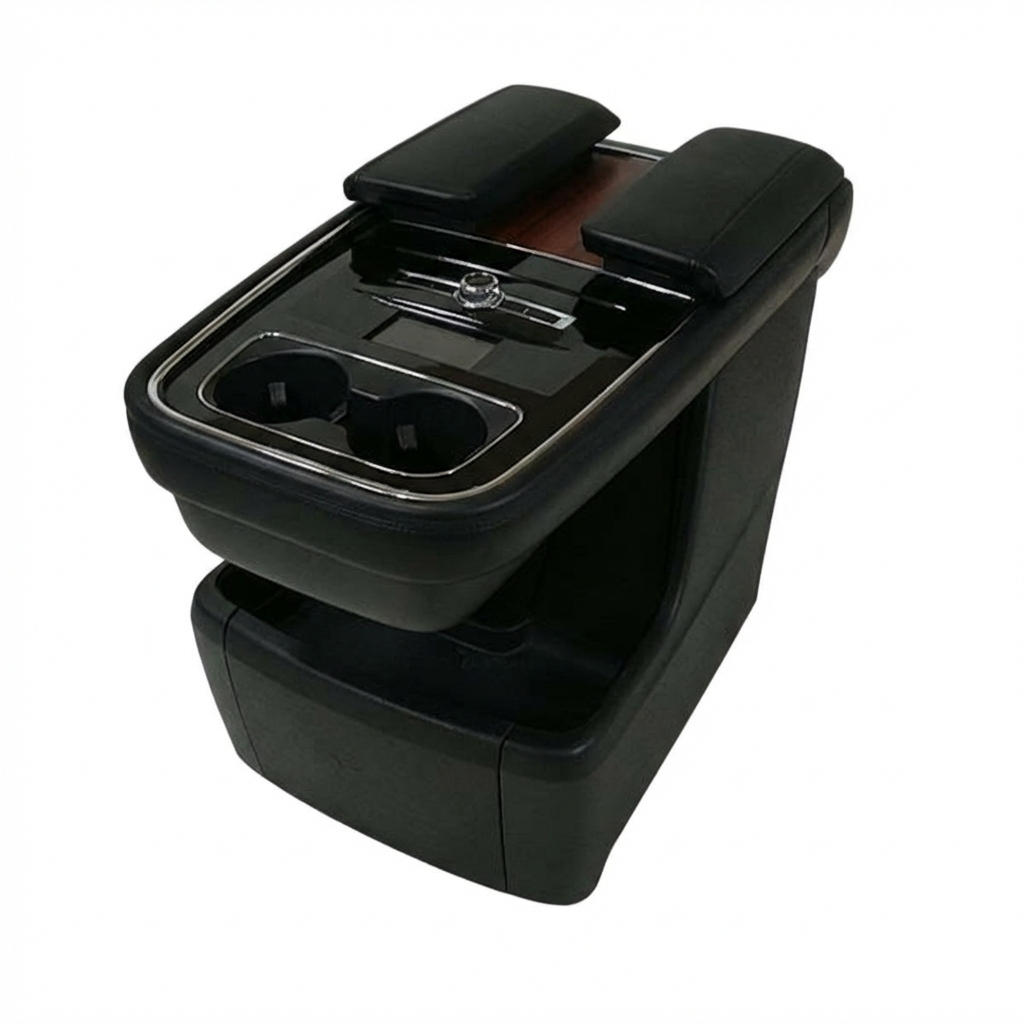
We Have This Part in Stock



The information in this article is provided for general reference and educational purposes only. Vehicle specifications, procedures, and part compatibility can vary by production date, trim level, and region. Always consult your vehicle's factory service manual and verify part numbers before purchasing or performing repairs. Safety-critical components such as airbags, seat belts, and braking systems should be installed by a qualified professional.
- Hyundai Ioniq:
- 🛍️ Shop This Part
- Key Compatibility Checks for 2017-2021 Ioniq Consoles
- Symptoms of a Failing or Damaged Console Panel
- Buying a Used Ioniq Console Panel: What to Inspect
- 1. Confirm Compatibility First
- 2. Physical Inspection Checklist
- Cost of a 2017-2021 Hyundai Ioniq Console Panel
- Vehicle-Specific Issues: Recalls and TSBs
- Replacement Overview
- Frequently Asked Questions (FAQ)
- 🎟️ Get 5% Off