

Tesla Model 3 & Y Center Console Guide (2017-2023): Latch, Lid & Refresh Differences
This guide covers the common failure points, costs, and critical design differences between the pre- and post-2021 center consoles for the Tesla Model 3 and Model Y.
- The center console was completely redesigned for the 2021 model year; the pre-2021 (glossy, flip-lid) and post-2021 (matte, sliding door) versions are not interchangeable.
- Common failures are physical, including broken latches, misaligned lids, and scraping noises from the sliding door on newer models.
- When buying a used console, verifying the correct generation for your vehicle is the most important step to ensure compatibility.
- Replacement is a manageable DIY task, typically involving the removal of side panels and a few bolts.
Key Design Change: 2021 Console Refresh

The most important factor when diagnosing or replacing a center console compartment in a Model 3 or Model Y is the mid-cycle refresh that occurred with the 2021 model year. This update changed the entire console assembly.
- 2017-2020 Model 3 & 2020 Model Y (Gen 1): These vehicles feature a center console with a glossy "piano black" finish and a flip-up lid for the main storage compartment. This design was often criticized for being a magnet for fingerprints and scratches.
- 2021-2023 Model 3 & 2021-2022 Model Y (Gen 2): These models have a redesigned console with a matte gray finish and a more robust sliding door mechanism. This version also relocated the USB ports and integrated the wireless phone charger more seamlessly.
Warning: The Gen 1 and Gen 2 console assemblies are not directly interchangeable due to differences in wiring, mounting points, and the overall design. When purchasing a used console, you must match it to your vehicle's model year.
Symptoms of Failure

Failure of the center console is typically mechanical and relates to the moving parts of the storage lids and latches.
1. Broken or Stuck Armrest/Compartment Latch
The latch that secures the main storage compartment lid or armrest can break, often due to physical stress or wear. On pre-refresh models, the flip-up door may refuse to stay closed. On post-refresh models, the sliding door may become difficult to move or get stuck. This can be caused by debris in the tracks, a broken latch mechanism, or misalignment.
2. Lid or Door Doesn't Close Properly
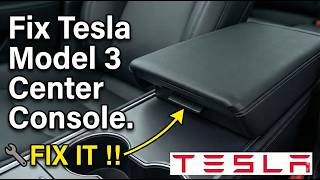
The main compartment lid may sit unevenly, pop back open, or feel loose. This is often due to 🎬 Watch: Troubleshooting guide for a console lid that won't close. misalignment of the hinge or latch mechanism. Sometimes, small items like coins or coffee beans can fall into the sliding mechanism of the Gen 2 console, causing resistance or jamming.
3. Scratching or Scraping Noises When Opening/Closing
On Gen 2 (2021+) consoles, a scraping sound when opening or closing the sliding door can be a known issue. This is sometimes caused by a small plastic burr or molding imperfection on an underlying trim piece that scratches the surface of the sliding door. Some owners have resolved this by disassembling the console and sanding down the sharp edge.
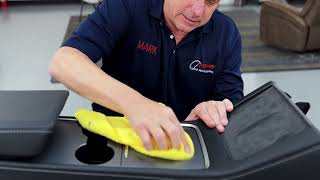
🎬 See how to repair a scratching Gen 2 sliding drawer.4. Cosmetic Damage (Gen 1 Consoles)
The glossy piano black finish on pre-2021 consoles is highly susceptible to scratches, fingerprints, and smudges. While not a functional failure, this heavy cosmetic wear is a primary reason many owners seek to replace or cover the console.
Known Issues, TSBs, and Recalls
As of early 2026, there are no specific NHTSA recalls or Technical Service Bulletins (TSBs) directly addressing the failure of the center console compartment, latch, or lid for the Model 3 or Model Y. Most recalls for these vehicles involve software updates for systems like Autopilot, pedestrian warning sounds, or issues with steering and rearview cameras.
Issues with the console are typically considered wear-and-tear or build quality variations and are handled through standard warranty service or owner repair.
Buying a Used Console Compartment

Purchasing a used OEM console is a great way to save money, especially if you are upgrading from a scratched Gen 1 console or replacing a broken component. Here’s what to check:
- Verify the Generation: This is the most critical step. Ensure the console is the correct type for your vehicle (Gen 1 glossy flip-top vs. Gen 2 matte slider). A 2021 Model Y could have either console depending on its production date, so verifying by sight is essential.
- Inspect the Latch and Hinges: Operate the lid or door multiple times. For Gen 1, ensure the flip-door latch engages securely and doesn't pop open. For Gen 2, check for a smooth, quiet sliding motion without any grinding or resistance.
- Check for Physical Damage: Look for cracks in the plastic, especially around the mounting points and hinges. Check for deep scratches or gouges on the main surfaces. For Gen 1 consoles, expect some light scratches, but avoid units with deep, unsightly damage.
- Confirm Wiring Integrity: Inspect the wiring harnesses for the USB ports and 12V outlet. Ensure the connectors are intact and not cracked or damaged, as this can complicate installation.
- Ask About the Source Vehicle: Knowing the mileage of the donor car can give you an idea of the wear on the part, but the physical condition is more important. A console from a low-mileage car is preferable but not a guarantee of perfect condition.
Pro Tip: Many owners of pre-2021 models applied vinyl wraps or plastic covers to protect the glossy finish. When buying a used Gen 1 console, check if a wrap can be easily removed or if it's hiding deeper damage.
Cost Comparison
| Part Type | Estimated Cost |
|---|---|
| New OEM (from Tesla) | $165 - $350 |
| New Aftermarket | Not commonly available |
| Used OEM | $100 - $250 |
| Shop Labor | $150 - $300 |
Replacement Guide

Replacing the center console assembly is a feasible DIY project for those comfortable with interior trim removal. The difficulty is rated 2 out of 5.
Estimated Time: 1-2 hours
Tools Required:
- Trim removal tools
- 10mm socket
- Torx screwdrivers (T20 may be needed for some components)
General Steps (Consult Tesla's official service manual for your specific model and year):
- Move both front seats fully forward and up to gain access.
- Disconnect the 12V power supply.
- Using trim removal tools, carefully pry off the side panels of the center console.
- Remove the rear vent panel at the back of the console.
- Unscrew the bolts securing the console to the vehicle frame. There are typically bolts at the front and rear of the console.
- Disconnect any electrical connectors for USB ports, wireless charging, or 12V outlets.
- With the help of an assistant, carefully lift the console assembly out of the vehicle, usually through a passenger door.
- Installation is the reverse of removal. Ensure all electrical connectors are securely reattached before reconnecting the 12V power.
Can I just replace the broken lid or latch?
In some cases, yes. For example, the armrest assembly can sometimes be purchased separately from Tesla for around $165. However, smaller individual components like just the latch mechanism are often not sold separately, requiring the replacement of a larger assembly like the armrest or the entire console top.
🎬 Watch: Step-by-step guide to fixing a stuck armrest storage latch.Why is my 2021+ console door making a scraping noise?
This is a known issue on some Gen 2 consoles. It's often caused by a plastic molding imperfection on the stationary trim piece under the sliding door. The fix involves partially disassembling the console top to access this piece and sanding down the sharp edge. Tesla reportedly added a felt strip in later production runs to prevent this.
Is there a way to fix a stuck latch without replacing parts?
Sometimes, yes. First, check for any debris like coins or food crumbs in the sliding tracks or latch mechanism and clean it out with compressed air. Applying a small amount of silicone lubricant to the sliding tracks can also help. If the latch is electronic, a soft reset by disconnecting the 12V battery for 10 minutes may resolve the issue.
Will a console from a Model Y fit my Model 3?
Yes, provided they are from the same generation (e.g., a 2021+ Model Y console in a 2021+ Model 3). The Model 3 and Model Y share the same center console design within their respective production year groups (pre- and post-2021 refresh).
Helpful Videos

Technical Specifications
OEM Part Numbers: 1087928 1087928-00-B 1582886-00-B 1777100-00-C
Two main variants exist: Gen 1 (2017-2020) with a glossy black finish and flip-up lid, and Gen 2 (2021-2023) with a matte gray finish and sliding door.
We Have This Part in Stock


The information in this article is provided for general reference and educational purposes only. Vehicle specifications, procedures, and part compatibility can vary by production date, trim level, and region. Always consult your vehicle's factory service manual and verify part numbers before purchasing or performing repairs. Safety-critical components such as airbags, seat belts, and braking systems should be installed by a qualified professional.
- Tesla Model 3:
- Tesla Model Y:
- 🎬 Helpful Videos
- 🛍️ Shop This Part
- Key Design Change: 2021 Console Refresh
- Symptoms of Failure
- 1. Broken or Stuck Armrest/Compartment Latch
- 2. Lid or Door Doesn't Close Properly
- 3. Scratching or Scraping Noises When Opening/Closing
- 4. Cosmetic Damage (Gen 1 Consoles)
- Known Issues, TSBs, and Recalls
- Buying a Used Console Compartment
- Cost Comparison
- Replacement Guide
- 🎟️ Get 5% Off