

2016-2019 Volvo XC90 Collision Sensor Failure: Decoding 'City Safety Service Required'
This guide explains why replacing the collision avoidance sensor in your XC90 requires mandatory professional calibration to restore critical safety features like City Safety and Pilot Assist.
- Professional calibration is mandatory after replacing the sensor; this is not a DIY job.
- A software update or a recall fix might resolve the issue without needing a new part. Always check for recalls and TSBs first.
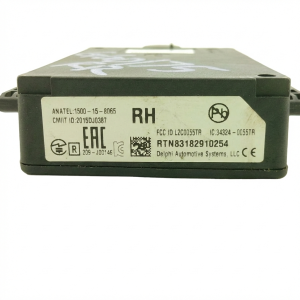
- Always match the OEM part number (39828069) exactly when buying a used sensor to ensure compatibility.
- A cracked windshield or an improper windshield replacement is a common cause of collision avoidance system errors.
Symptoms of a Failing Collision Avoidance Sensor


When the collision avoidance sensor in a 2016-2019 Volvo XC90 begins to fail, the vehicle will typically alert the driver with specific messages on the instrument cluster. You will not notice a physical symptom like a noise or vibration, 🎬 Learn more about how Volvo's various safety sensors are explained. but a number of key safety features will be disabled.
- "City Safety Service Required" or "Collision Avoidance System Service Required" Message: This is the most common indicator of a problem with the system.
- "Intellisafe Service Required": Another common warning message pointing to a fault within the advanced safety systems.
- Disabled Driver Aids: Features that rely on the sensor, such as Adaptive Cruise Control, Pilot Assist, and Lane Keeping Aid, will become unavailable.
- False Activations: In some rare cases, a malfunctioning system might trigger collision warnings or brief, unnecessary braking, although this is less common than a simple system shutdown.
- Heated Windshield Grid Failure: The sensor assembly includes a small heating grid on the windshield to keep its view clear of frost and fog. If this grid fails, it can trigger a "Collision Avoidance System Unavailable" error, especially in cold or humid weather. A diagnostic scan may show a fault code for the "Front Vision System Camera Heater."
Known Issues, Recalls, and Technical Service Bulletins (TSBs)
Before assuming the sensor hardware has failed, be aware of software issues and service campaigns that can cause identical symptoms.
Recall: Automatic Emergency Braking (AEB) Software Issue
Volvo issued a major recall (NHTSA Campaign Number: 20V144000) for 2019-2020 models, including the XC90. This recall addressed a software/hardware incompatibility that could prevent the Automatic Emergency Braking (AEB) system from detecting obstacles and engaging as intended. The fix is a simple software update performed by a Volvo dealer, free of charge. While your 2016-2018 model may not be included, this highlights how often software is the root cause of AEB issues.
Technical Service Journals (TSJs)
Volvo frequently releases Technical Service Journals (TSJs), which are similar to TSBs, to address common problems. Technicians often check for relevant TSJs before replacing parts. A software update or a revised diagnostic procedure recommended in a TSJ can often resolve issues that appear to be hardware failures. For example, TSJ 31749 addresses issues with the Active Safety Forward Looking Sensor Module (FSM) that can often be fixed with a software update.
Pro Tip: If you experience a sudden failure of the collision avoidance system, the first step should be a thorough cleaning of the windshield area in front of the rearview mirror and the Volvo emblem in the grille, as dirt or debris can block the camera and radar.
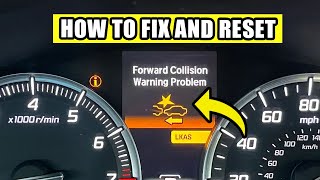
🎬 See how to quickly reset and fix common sensor warnings.Buying a Used 2016-2019 XC90 Collision Avoidance Sensor


Purchasing a used OEM collision avoidance sensor is a cost-effective alternative to a new part, but careful inspection is critical. Given the complexity of this component, a used original Volvo part is generally a much safer bet than a new, unproven aftermarket version, which are rare for this component anyway.
What to Check Before You Buy:
- Verify the Part Number: The most critical step is to match the OEM part number exactly. The primary number for this range is 39828069. Using a sensor with a different part number, even if it looks identical, can lead to incompatibility with your vehicle's software and features.
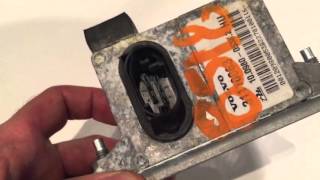
- Inspect the Lens and Housing: Carefully examine the front of the unit. The camera lens should be free of deep scratches, cracks, or any sign of delamination. The plastic housing should be free of cracks or damage from a collision.
- Check the Connector: Look at the electrical connector pins. They should be straight, clean, and free of any green or white corrosion, which would indicate water damage. A sensor that has been exposed to moisture is likely to fail prematurely.
- Avoid Parts from Major Collisions: Do not purchase a sensor from a vehicle that has sustained a heavy frontal impact. Even if the sensor shows no visible damage, the internal components could be compromised.
Replacement and Mandatory Calibration

Physically replacing the Active Safety Module is straightforward, but making it work is a job for professionals.
The sensor module is located in the plastic housing behind the interior rearview mirror. It can be accessed by carefully prying off the plastic covers and disconnecting the electrical connectors. The module itself then unclips from its mount on the windshield.
Warning: This is not a DIY-friendly repair. The new or used sensor must be calibrated after installation. Without calibration, the system will not function, and the warning messages will remain. This procedure requires specialized Volvo diagnostic software (VIDA) and a set of targets placed at precise distances from the vehicle. The calibration tells the sensor its exact position and angle relative to the car's centerline, which is essential for it to accurately judge distances and object trajectories.
Cost Comparison
The mandatory calibration is a significant part of the total replacement cost. Always factor this in when comparing part prices.
| Part/Service | Estimated Cost |
|---|---|
| New OEM Sensor | $1,200 - $1,500 |
| Used OEM Sensor | $150 - $400 |
| Shop Labor (Installation & Calibration) | $300 - $600 |
Frequently Asked Questions (FAQ) 🎬 Watch: Volvo's official guide to how these safety systems work.
Can I drive my XC90 with a "City Safety Service Required" message?
Yes, but with limitations. The car will drive normally, but critical safety features like automatic emergency braking, adaptive cruise control, and pilot assist will be disabled. Your standard braking system will function as usual, but the car will not intervene to prevent a collision.
Why does a used sensor need to be calibrated?
Calibration is required for any sensor, new or used, that is installed in the vehicle. The process aligns the sensor with the specific geometry of your car. Every vehicle has tiny differences, and the sensor needs to know its exact orientation to function safely and accurately.
Can a cracked or replaced windshield cause this problem?
Yes. Replacing the windshield requires removing and reinstalling the sensor. If the sensor is not calibrated after a windshield replacement, it will trigger a service message. Using non-OEM glass can also sometimes cause calibration issues. Additionally, a crack or chip in the windshield directly in the camera's line of sight can interfere with its operation.
Could the problem just be a fuse or low battery?
It's possible, but less common. Low system voltage from a failing battery can sometimes cause various electronic modules in a Volvo to act up. It's always a good practice to ensure your battery is healthy. While a dedicated fuse protects the circuit, a sensor failure is more likely to be internal to the unit or a software issue rather than a blown fuse.
Helpful Videos
Technical Specifications
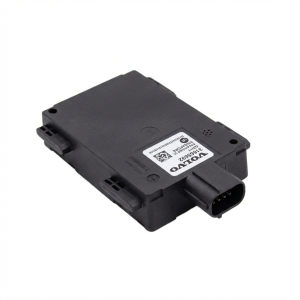
OEM Part Numbers: 39828069
Integrated forward-facing camera and radar unit. Mounts to the upper-center interior of the windshield.
We Have This Part in Stock



The information in this article is provided for general reference and educational purposes only. Vehicle specifications, procedures, and part compatibility can vary by production date, trim level, and region. Always consult your vehicle's factory service manual and verify part numbers before purchasing or performing repairs. Safety-critical components such as airbags, seat belts, and braking systems should be installed by a qualified professional.
- Volvo XC90:
- 🎬 Helpful Videos
- 🛍️ Shop This Part
- Symptoms of a Failing Collision Avoidance Sensor
- Known Issues, Recalls, and Technical Service Bulletins (TSBs)
- Recall: Automatic Emergency Braking (AEB) Software Issue
- Technical Service Journals (TSJs)
- Buying a Used 2016-2019 XC90 Collision Avoidance Sensor
- What to Check Before You Buy:
- Replacement and Mandatory Calibration
- Cost Comparison
- Frequently Asked Questions (FAQ)
- 🎟️ Get 5% Off