

Mazda CX-70, CX-50, CX-30 & 3 Collision Sensor: Decoding Warnings and Calibration Needs (2020-2026)
This guide covers common failures, diagnosis, and the critical calibration requirements for the front radar sensor in 2020-2026 Mazda vehicles.
- Professional calibration is MANDATORY after replacing the sensor or after any front-end impact; this is not a DIY job.
- Many warnings are temporary and caused by obstructions like snow, ice, or dirt on the front emblem; always clean the sensor area first.
- A recall for 'phantom braking' affects 2019-2021 Mazda3 and CX-30 models due to a software glitch, not a faulty sensor. Ensure the recall work is done.
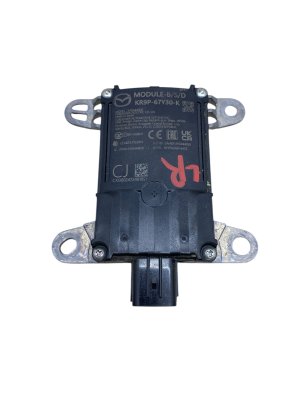
- When buying used, match the part number (VC85-55-260A) exactly and inspect the sensor for any physical damage.
Symptoms of a Failing Collision Avoidance Sensor

When the front collision avoidance sensor fails or its view is obstructed, it will typically disable several key safety features and display warnings on the dashboard. The most common signs include:
- "i-ACTIVSENSE System Malfunction" Message: This is a general warning indicating a fault within the safety system suite. The amber i-ACTIVSENSE warning light will usually illuminate on the instrument cluster.
- "Front Radar Sensor Blocked" or Similar Message: This specific message often appears when the sensor's view is obstructed by snow, ice, heavy rain, mud, or even a large bug. In many cases, cleaning the front emblem will resolve the issue. 🎬 Watch: How to fix the front radar sensor blocked warning.
- Disabled Safety Features: When the sensor is malfunctioning, features that rely on it will be deactivated. This includes Mazda Radar Cruise Control (MRCC) and Smart Brake Support (SBS). You will be unable to use adaptive cruise control, and the automatic emergency braking system will not function.
- Sudden, Unexpected Braking (Phantom Braking): While less common for a hardware failure, a malfunctioning sensor or a software glitch can cause the Smart Brake System to falsely detect an obstacle and apply the brakes unexpectedly. This was the subject of a recall for some earlier models.
Known Issues, Recalls, and Technical Service Bulletins (TSBs)

While these vehicles are relatively new, a few key issues have been identified, primarily related to software and system sensitivity.
Recall for Unexpected Braking (2019-2020 Mazda3 & 2020-2021 CX-30)
Mazda issued a recall (NHTSA Campaign Number: 20V792000, also referenced as 4219L) for certain 2019-2020 Mazda3 and 2020-2021 Mazda CX-30 vehicles. The issue was not a faulty sensor, but a software programming error in the Smart Braking System (SBS) that could cause the vehicle to falsely detect an object and brake suddenly, increasing the risk of a rear-end crash. The solution is a software update performed by a Mazda dealer. If you are experiencing phantom braking on one of these models, you should verify if this recall has been performed on your vehicle.
System Sensitivity and Obstructions
Many owner complaints across all listed models (CX-30, CX-50, Mazda 3) are not due to a failed sensor, but due to the system's sensitivity. Heavy rain, fog, snow, frost, or even driving on roads with no shoulder markings can cause the system to temporarily disable itself and display a warning. This is often normal behavior. Forum users also report that incorrect tire sizes can affect the vehicle's ride height and sensor angle, leading to false positives from the collision avoidance system.
Recalls on Newer Models (CX-70, CX-50)
As of early 2026, recalls on the new 2025 Mazda CX-70 and CX-50 have primarily focused on other software issues, such as those affecting the dashboard electrical supply unit, powertrain control module, or fuel gauge readings, and not the front radar sensor hardware itself. However, some of these recalls do impact safety systems like the 360-degree monitor.
Important: Before assuming the sensor has failed, always ensure the Mazda emblem on the front grille and the area of the windshield in front of the forward-facing camera are perfectly clean and free of debris, snow, or ice.
Buying a Used Collision Avoidance Sensor: What to Check

Given that a new OEM radar sensor can cost over $1,000, a used OEM sensor is an excellent value. However, this is a sensitive electronic component, and careful inspection is key.
- Physical Inspection: Carefully examine the sensor's front face. Do not buy a sensor with deep scratches, cracks, or any signs of being opened. Check the plastic housing for cracks and ensure the electrical connector pins are straight and free of corrosion.
- Check the Part Number: The most reliable way to ensure compatibility is to match the part number exactly. The primary part number for these models is VC85-55-260A (which replaces the older VC85-55-260). Using the wrong sensor may result in it not being recognized by the vehicle or failing to calibrate.
- Source Vehicle Information: If possible, get information about the donor vehicle. A sensor from a vehicle with a minor rear-end collision is a much better bet than one from a major front-end impact, even if the sensor itself looks undamaged. Internal damage can occur from the shock of an impact.
- Why Used OEM is a Smart Choice: For ADAS (Advanced Driver-Assistance Systems) components, used OEM is almost always superior to new aftermarket. Aftermarket sensors often have questionable reliability and may have trouble communicating with the vehicle's other computers. A used OEM part was designed and tested by Mazda for your specific vehicle, ensuring proper integration and performance once calibrated.
Replacement and Calibration: This is Not a Simple Swap

Physically replacing the sensor involves removing the front bumper cover to access its mounting location. This is a task a skilled DIY mechanic can perform. However, the job is not complete after the part is bolted on.
Warning: Calibration is Mandatory. After the sensor is replaced, or even if its mounting bracket is disturbed, it MUST be professionally calibrated. The sensor's aim is critical to its function. A sensor that is misaligned by even one degree can cause the system to look at the wrong lane, fail to detect obstacles, or trigger false alarms. Calibration requires specialized equipment, including a target stand and a compatible diagnostic scan tool, and must be performed on a level surface. This is not a DIY procedure.
🎬 See how a professional Mazda front radar calibration is performed.Some newer Mazda models may allow for a dynamic calibration procedure, where the aiming can be performed by driving the vehicle under specific conditions. However, this still requires a diagnostic tool to initiate the process and should be performed by a qualified technician.
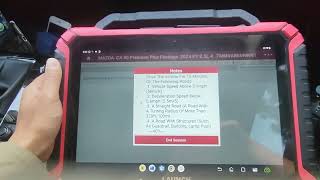
🎬 Watch a technician perform a dynamic calibration on a CX-50.Cost to Replace a Mazda Collision Avoidance Sensor
The cost can vary significantly based on the parts source and labor rates.
| Item | Estimated Cost |
|---|---|
| New OEM Sensor (Part Only) | $800 - $1200 |
| New Aftermarket Sensor (Part Only) | Not commonly available/recommended |
| Used OEM Sensor (Part Only) | $350 - $700 |
| Shop Labor (Bumper R&R) | $200 - $400 |
| Shop Labor (Calibration) | $250 - $500 |
| Total Professional Replacement (Used Part) | $800 - $1600 |
Frequently Asked Questions (FAQ)
Can I drive with a faulty collision avoidance sensor?
Yes, the vehicle is drivable. However, all safety features that rely on the sensor, such as automatic emergency braking and radar cruise control, will be disabled. Your vehicle will function like a base model car without these ADAS features.
Why did the 'Sensor Blocked' warning appear and then go away?
This is common and usually means a temporary obstruction was detected. Heavy rain, snow, fog, or even direct sunlight can sometimes interfere with the sensor. Once conditions improve or the obstruction is cleared (e.g., frost melts), the system will perform a self-check and resume normal function, clearing the warning.
Do I need to calibrate the sensor after a minor fender-bender?
Yes. Any impact to the front bumper area can potentially knock the radar sensor out of alignment. If you have any ADAS warning lights after a minor collision, or if the bumper cover was removed for repair, the sensor alignment should be checked and calibrated by a qualified shop.
Can I use a sensor from a different Mazda model, like a CX-5?
It is not recommended. While some parts are shared across platforms, ADAS components are often specifically programmed and calibrated for the vehicle's size, weight, and suspension characteristics. You must match the OEM part number (VC85-55-260A) to ensure compatibility and proper function.
Helpful Videos
Technical Specifications
OEM Part Numbers: VC85-55-260A VC85-55-260
77 GHz Millimeter-wave radar sensor
We Have This Part in Stock
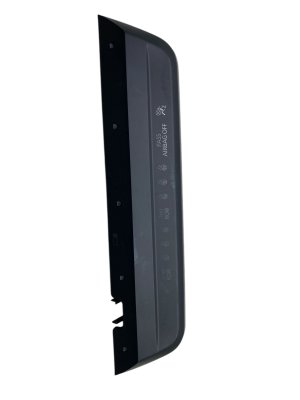
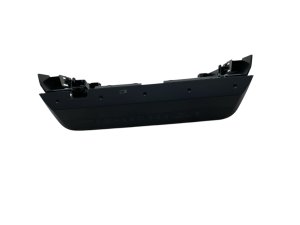
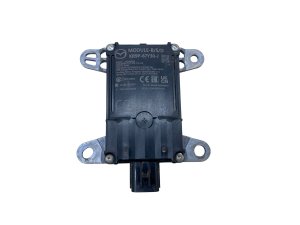
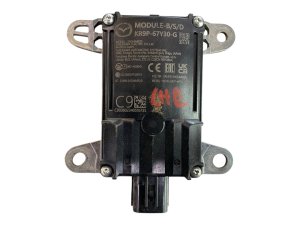

The information in this article is provided for general reference and educational purposes only. Vehicle specifications, procedures, and part compatibility can vary by production date, trim level, and region. Always consult your vehicle's factory service manual and verify part numbers before purchasing or performing repairs. Safety-critical components such as airbags, seat belts, and braking systems should be installed by a qualified professional.
- Mazda CX-70:
- Mazda 3:
- Mazda CX-30:
- Mazda CX-50:
- 🎬 Helpful Videos
- 🛍️ Shop This Part
- Symptoms of a Failing Collision Avoidance Sensor
- Known Issues, Recalls, and Technical Service Bulletins (TSBs)
- Recall for Unexpected Braking (2019-2020 Mazda3 & 2020-2021 CX-30)
- System Sensitivity and Obstructions
- Recalls on Newer Models (CX-70, CX-50)
- Buying a Used Collision Avoidance Sensor: What to Check
- Replacement and Calibration: This is Not a Simple Swap
- Cost to Replace a Mazda Collision Avoidance Sensor
- Frequently Asked Questions (FAQ)
- 🎟️ Get 5% Off