

2014-2020 Kia Sorento Blind Spot & Collision Sensor Guide: Failures, Fixes, and Calibration
This guide explains how to diagnose, replace, and correctly calibrate the various collision avoidance sensors on your Sorento, helping you fix warning lights and save money.
- The most critical step when buying a used sensor is to exactly match the OEM part number from your original unit.
- Replacement of a blind spot or forward collision radar sensor almost always requires professional calibration with a dealer-level scan tool. This is not optional.
- Common failure causes include minor bumper impacts that misalign the sensor and water intrusion from a cracked housing or bad connector.
- Before assuming a sensor is bad, clean the bumper corners thoroughly and check the vehicle's 12V battery, as low voltage can cause system errors.
Understanding Your Sorento's Driver-Assist Systems

Before troubleshooting, it's important to know which system is having a problem. The 2014-2020 Kia Sorento uses several distinct sensors for its safety features, and a failure in one can disable others.
- Blind Spot Detection (BSD) / Rear Cross-Traffic Alert (RCTA): This system uses two radar units located behind the plastic cover at the left and right corners of the rear bumper. They monitor adjacent lanes and the area behind you when reversing. 🎬 Watch this overview of Kia's blind spot detection system
- Forward Collision-Avoidance Assist (FCA) & Smart Cruise Control (SCC): This uses a forward-facing radar, usually mounted in the lower grille or behind the Kia emblem, and sometimes a windshield-mounted camera. It watches for vehicles and pedestrians ahead.
- Around View Monitor (AVM): This optional system uses cameras in the front grille, tailgate, and under each side mirror to create a 360-degree view for parking.
Common Symptoms of Failure

When a sensor or its related wiring fails, your Sorento will typically display a specific warning message on the instrument cluster.
Warning Lights and Messages
The most common sign of a problem is a persistent warning light on your dashboard. You will likely see a master warning light (an orange triangle with an exclamation point) along with a message like:
- "Check BSD (Blind Spot Detection) system": This points directly to a fault with the rear corner radar units or their wiring.
- "Blind-spot safety system disabled. Radar blocked": This message can appear temporarily due to obstructions like snow, heavy rain, or mud on the bumper. If it stays on after cleaning the bumper, it indicates a hardware or alignment fault.
- "Check Forward Collision-Avoidance Assist system": This indicates a problem with the front-facing radar or camera. Smart Cruise Control will also be disabled.
- "Check side view mirror warning light": This specific message suggests the warning LED in the mirror itself has failed, though the radar may still be working.
Incorrect or Missing Alerts
A failing system may also exhibit performance issues without a constant warning light. These can be more dangerous as they create a false sense of security.
- No warnings at all: The system fails to light up or beep for a vehicle in your blind spot.
- Constant false alerts: The system beeps or lights up when there is no vehicle present, which can be caused by a misaligned sensor.
Known Issues, Recalls, and Technical Service Bulletins (TSBs)

While no widespread recalls exist for the rear blind spot radar units on the 2014-2020 Sorento, related systems have had issues. It's common for these sensors to fail from minor rear-end impacts that crack the internal components or knock them out of alignment. Water intrusion into the sensor or its electrical connector is another frequent cause of failure, leading to corrosion.
- Rearview Camera Recall (2019 Sorento): Some 2019 models were recalled because a manufacturing error could allow water to leak into the rearview camera, causing the image to fail. Dealers will add waterproofing or replace the camera.
- AEB Software Recall (2020 Sorento): In some markets, MY2020 Sorentos were recalled for a software issue where the Autonomous Emergency Braking (AEB) system might not detect a stationary vehicle or pedestrian. This is typically fixed with a software update at a dealership.
- General TSBs for BSD systems: Kia has issued general bulletins for its BSD systems that outline troubleshooting for the "Check BSD" message. The procedure often involves checking for bumper damage, obstructions, and using a dealer-level scan tool to check for Diagnostic Trouble Codes (DTCs) and perform recalibration. 🎬 See how to troubleshoot a Check BSD warning light
Pro Tip: Before suspecting a failed sensor, check your vehicle's 12V battery. Low voltage during startup can cause various electronic modules, including the BSD system, to throw error codes. If your battery is more than 3-4 years old, have it load-tested.
Buying a Used Collision Avoidance Sensor
Purchasing a used OEM sensor can save you hundreds of dollars compared to a new part from the dealer. However, because these are sensitive electronics, careful inspection is key.
Step 1: Identify the Correct Part Number
This is the most critical step. Sensors for the left and right sides are different and not interchangeable. Furthermore, part numbers can change mid-generation. The only way to guarantee compatibility is to match the part number from your original sensor. The rear blind spot radars are located behind the rear bumper cover; you may need to remove the bumper to access and read the part number on your failed unit.
Common rear blind spot radar part numbers for 2014-2020 Sorento include:
- 95811-C6010: Left (Driver Side) Rear Blind Spot Radar Unit
- Other related part numbers from this system include 95810C6000, 95820C6000, and 95821C6000. Always verify the exact number on your part.
If you need a side mirror camera for the AVM system, a common part number is:
- 99230-C5000: Right (Passenger Side) Mirror Camera
Step 2: Physical Inspection of the Used Part
When you receive the used sensor, inspect it carefully before installation:
- Check the Housing: Look for any cracks, even hairline fractures. A compromised housing will allow moisture inside, leading to premature failure.
- Inspect the Connector: The electrical connector pins should be clean, straight, and free of any green or white corrosion.
- Examine Mounting Points: Ensure all mounting tabs and brackets are intact. A sensor that isn't mounted securely will be misaligned and will not function correctly.
Step 3: Why Used OEM is a Smart Choice
For a complex electronic part like this, a used OEM sensor is often a better choice than a new aftermarket one. An original Kia part is designed to communicate perfectly with your vehicle's other control modules. Aftermarket sensors can have compatibility issues, leading to persistent error codes or improper function, even if they look identical. A reliable used OEM unit provides the same performance as a new one for a fraction of the price.
Cost to Replace a Sorento Collision Avoidance Sensor
The cost can vary significantly depending on which sensor has failed and whether calibration is required.
| Part/Service | Estimated Cost |
|---|---|
| New OEM Rear Radar (e.g., 95811-C6010) | $850 - $1,300 |
| New OEM Side Mirror Camera (e.g., 99230-C5000) | $430 - $650 |
| Used OEM Rear Radar | $75 - $250 |
| New Aftermarket Sensor | $150 - $400 (Compatibility not guaranteed) |
| Shop Labor (Replacement Only) | $150 - $250 |
| Shop Labor (Calibration) | $100 - $300 |
Installation and Calibration

Difficulty: 4 out of 5
Replacing a rear blind spot sensor is a moderately difficult job for a DIY mechanic, primarily because it requires removing the entire rear bumper cover. The sensors themselves are typically held on by a few bolts or clips.
Warning: The critical step is calibration. After replacing a blind spot radar or front collision radar, the system MUST be calibrated using a dealer-level diagnostic tool. This procedure tells the sensor its precise angle relative to the vehicle's centerline. Without proper calibration, the system will not work, will give constant false alerts, or may remain disabled with a warning light on the dash. This is not a step that can be skipped or performed without specialized equipment.
🎬 Watch how ADAS radar calibration and alignment worksFrequently Asked Questions (FAQ)
Can I drive my Sorento with a bad blind spot sensor?
Yes, but with caution. A failed sensor will disable the blind spot warnings and potentially other related safety features like Rear Cross-Traffic Alert, but it does not affect the vehicle's ability to drive, brake, or steer. You must rely solely on your mirrors and shoulder checks when changing lanes.
Why did my blind spot sensor fail after a minor bumper tap?
These radar units are extremely sensitive to alignment. Even a minor impact that doesn't leave a visible mark on the bumper can be enough to knock the sensor's angle off by a fraction of a degree, triggering a fault. The internal electronics can also be damaged from the shock of the impact.
Does a used sensor need to be calibrated?
Yes, almost always. Any time a sensor is removed and reinstalled, or a new (or used) one is installed, its alignment must be verified and calibrated. Some owners have had luck with the system working without calibration, but it is not the standard or recommended procedure and may result in unreliable performance.
Can I just clean the sensor to fix the "Radar Blocked" warning?
Yes, this should always be your first step. The radar units are located behind the rear bumper cover in the corners. Thoroughly wash this area to remove any mud, snow, ice, or road grime. After cleaning, you may need to restart the car or drive for a few minutes for the system to reset and the message to clear.
Helpful Videos

Technical Specifications
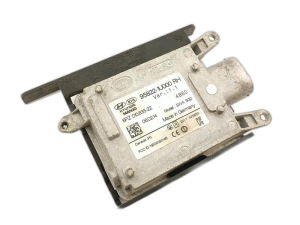
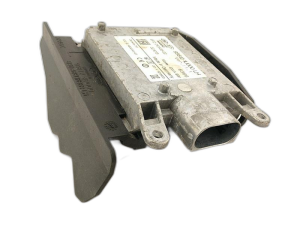
OEM Part Numbers: 95810C6000 95811-C6000 95811C6000 95811-C6010 95811C6010 95820C6000 95821C6000 99230-C5000 99240-C5000
The primary components are radar modules operating in the radio frequency spectrum, typically mounted behind the rear bumper corners and front grille. They are connected to the vehicle's CAN bus network to communicate with the ECU and instrument cluster.
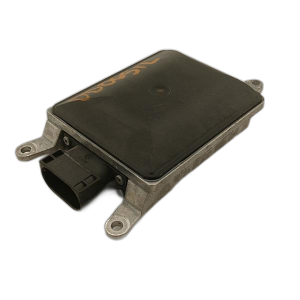
We Have This Part in Stock




The information in this article is provided for general reference and educational purposes only. Vehicle specifications, procedures, and part compatibility can vary by production date, trim level, and region. Always consult your vehicle's factory service manual and verify part numbers before purchasing or performing repairs. Safety-critical components such as airbags, seat belts, and braking systems should be installed by a qualified professional.
- Kia Sorento:
- 🎬 Helpful Videos
- 🛍️ Shop This Part
- Understanding Your Sorento's Driver-Assist Systems
- Common Symptoms of Failure
- Warning Lights and Messages
- Incorrect or Missing Alerts
- Known Issues, Recalls, and Technical Service Bulletins (TSBs)
- Buying a Used Collision Avoidance Sensor
- Step 1: Identify the Correct Part Number
- Step 2: Physical Inspection of the Used Part
- Step 3: Why Used OEM is a Smart Choice
- Cost to Replace a Sorento Collision Avoidance Sensor
- Installation and Calibration
- Frequently Asked Questions (FAQ)
- 🎟️ Get 5% Off