

2024-2025 Kia EV9 Blind Spot Sensor: Warnings, Trim Levels, and Replacement Guide
This guide covers the common failure symptoms, replacement costs, and crucial compatibility checks for the rear collision avoidance sensor on your 2024-2025 Kia EV9.
- This sensor (part #99140DO000) is ONLY for 2024-2025 Kia EV9 models without the GT-Line trim package.
- Replacement is not a DIY job because mandatory ADAS calibration is required by a professional shop afterward.
- The most common symptom of failure is a "Check Blind-Spot Safety System" warning on the dashboard.
- A used OEM sensor is a viable, cost-effective option, but you must verify the part number and inspect it for physical damage.
Critical Compatibility Warning: Non-GT-Line Models Only
Warning: This rear left (driver side) blind spot radar sensor, part number 99140DO000, is specifically for 2024-2025 Kia EV9 models WITHOUT the GT-Line trim package. The GT-Line uses a different part. Always verify your vehicle's trim level and the part number on your existing sensor before ordering a replacement.
Symptoms of a Failing Blind Spot Sensor
When a collision avoidance sensor fails, your vehicle will typically display clear warning messages on the instrument cluster. Since the EV9 is a new model, widespread long-term failure patterns have not yet emerged, but symptoms are generally consistent across Kia models.
- "Check Blind-Spot Safety System" Warning: This is the most common indicator of a fault within the system. A master warning light will also likely illuminate on the dashboard.
- "Blind-spot safety system disabled. Radar blocked." Message: This message can appear temporarily if the sensor is obstructed by dirt, snow, or heavy rain. If the warning persists after cleaning the bumper area where the sensor is located, it may indicate a sensor failure rather than a simple obstruction.
- Inoperative Blind Spot Monitoring: The warning lights in your side mirrors will not illuminate when vehicles are in your blind spot.
- Disabled Rear Cross-Traffic Alert: The system will not warn you of approaching vehicles when you are backing out of a parking space.
- Software Glitches: Some owners have reported that blind spot system features can disappear or become unreliable after a software update, which may require a dealer visit to reload the software correctly.
Known Issues, Recalls, and TSBs
As of mid-2024, there are no specific recalls for the rear collision avoidance sensors on the 2024-2025 Kia EV9. However, several recalls have been issued for other systems on the vehicle, including software issues with the instrument panel and Remote Smart Parking Assist, as well as missing seat mounting bolts. It is always a good practice to check the latest recall information on the NHTSA website using your vehicle's VIN. While no Technical Service Bulletins (TSBs) directly address this specific part number, any work on or near the rear bumper requires careful attention to the sensor's calibration.
Buying a Used Collision Avoidance Sensor
Purchasing a used OEM sensor is a cost-effective alternative to buying a new part from a dealer, especially since aftermarket options for such a new vehicle are rare or nonexistent. However, these are sensitive electronic components, so careful inspection is key.
What to Check Before You Buy:
- Verify the Part Number: The most critical step is to match the part number exactly. For this non-GT-Line rear left sensor, you must confirm the part is 99140DO000.
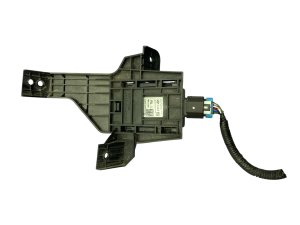
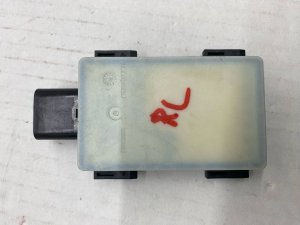
- Inspect the Housing: Look for any cracks, deep scratches, or signs of impact on the black plastic housing. Physical damage can harm the delicate radar components inside.
- Check the Connector: The electrical connector pins should be straight, clean, and free of any corrosion. Bent or damaged pins will prevent the sensor from communicating with the vehicle.
- Examine Mounting Tabs: Ensure all mounting tabs and brackets are intact. A sensor that cannot be securely mounted in its original position will not function correctly and cannot be calibrated.
- Source from a Reputable Seller: Buy from a recycled parts seller that offers a warranty and has good reviews. Since internal damage is not visible, a warranty protects you if the part is dead on arrival.
Replacement and Calibration
Replacing the rear collision avoidance sensor involves removing the rear bumper cover to access the sensor, which is bolted to a bracket in the corner of the vehicle. While the physical replacement is straightforward for a DIYer with moderate experience, the process is not complete after the new part is installed.
Calibration is Mandatory: This is not a plug-and-play part. After replacement, the sensor must be calibrated by a Kia dealership or a qualified auto repair shop with ADAS calibration equipment. According to Kia's procedures, this involves measuring the sensor's angle and performing a "Variant Coding" and "Radar Calibration" with a diagnostic tool. Failure to calibrate the sensor will result in it not working, displaying warning lights, and potentially causing other safety systems to malfunction.
Cost Comparison
Prices can vary based on location and supplier. The following is an estimate of what you can expect to pay.
| Part Type | Estimated Cost |
|---|---|
| New OEM (Dealer) | $360 - $542 |
| New Aftermarket | Not Yet Available |
| Used OEM (Recycled) | $100 - $250 |
| Shop Labor (Replacement) | $150 - $250 |
| Shop Labor (Calibration) | $200 - $400 |
Frequently Asked Questions (FAQ)
Can I replace this sensor myself?
You can perform the physical installation if you are comfortable removing the rear bumper cover. However, you MUST take the vehicle to a dealership or a shop with ADAS equipment for mandatory calibration afterward. The system will not work without it.
Why did my blind spot warning turn off in bad weather?
Heavy rain, snow, or even a thick layer of mud on the bumper can temporarily block the radar sensor's signal, causing the system to disable itself and display a "Radar blocked" message. The system should return to normal operation once the bumper is clean and the car is restarted. If it doesn't, there may be an underlying issue with the sensor.
What is the difference between the GT-Line and non-GT-Line sensor?
The GT-Line trim has different features and potentially a different bumper design that requires a unique sensor part number. The parts are not interchangeable. Using the wrong sensor will result in a system malfunction. Always confirm your trim level before purchasing.
Do I need to replace both rear sensors if only one has failed?
No, the left and right rear sensors are independent units. You only need to replace the one that has failed. The diagnostic trouble code will specify which sensor is at fault.
Technical Specifications
OEM Part Numbers: 99140DO000 99140-DO000
Rear Left (Driver Side) Blind Spot Radar Sensor for models without GT-Line trim.
We Have This Part in Stock


The information in this article is provided for general reference and educational purposes only. Vehicle specifications, procedures, and part compatibility can vary by production date, trim level, and region. Always consult your vehicle's factory service manual and verify part numbers before purchasing or performing repairs. Safety-critical components such as airbags, seat belts, and braking systems should be installed by a qualified professional.
- Kia EV9:
- 🛍️ Shop This Part
- Critical Compatibility Warning: Non-GT-Line Models Only
- Symptoms of a Failing Blind Spot Sensor
- Known Issues, Recalls, and TSBs
- Buying a Used Collision Avoidance Sensor
- What to Check Before You Buy:
- Replacement and Calibration
- Cost Comparison
- Frequently Asked Questions (FAQ)
- 🎟️ Get 5% Off