

2019-2026 Honda Passport Blind Spot Sensor: Errors, Part Numbers, and Calibration
Diagnose the common 'Blind Spot Information System Problem' error, understand critical part number differences, and learn why calibration is mandatory after replacement.
- Calibration by a dealer or qualified shop is mandatory after replacing a sensor; it is not a plug-and-play part.
- Part numbers for the Left (Driver) and Right (Passenger) sides are different and not interchangeable.
- Sensors from a Honda Pilot will NOT work in a Passport, even if they look identical. Verify the part number on your original unit.
- Water intrusion and minor physical damage are the most common causes of failure; inspect used parts carefully for corrosion and cracks.
Common Symptoms of a Failing Passport Blind Spot Sensor
When a blind spot sensor begins to fail, your vehicle will typically give you clear warnings. The most common sign is a message on the dashboard that reads "Blind Spot Information System Problem." This indicates the system has detected a fault and has been disabled.
- Warning Light on Dashboard: A persistent warning light or message related to the BSI or ADAS system is the most obvious symptom.
- System Inoperative: The blind spot indicators in the mirrors will not light up, and the cross-traffic alerts will not function. The system may show a message that it is unavailable.
- False Alerts: The sensor may trigger warnings when no vehicle is present. This can be caused by mis-alignment, internal faults, or even interference.
- No Alerts: The most dangerous symptom is when the system fails to detect a vehicle that is actually in your blind spot. This complete failure removes a critical safety net.
Note: In many cases, a dirty bumper can cause the system to temporarily shut down. Before assuming the sensor is bad, thoroughly clean the rear bumper corners, as mud, snow, or even heavy road grime can block the radar signal.
Known Issues, TSBs, and Recalls
While there are no specific recalls for the blind spot sensors themselves on the 2019-2026 Passport, it's important to be aware of related issues. The Honda Sensing suite, which includes the BSI system, has been the subject of owner complaints and even an NHTSA investigation for other models regarding inadvertent braking. For the Passport, the most common real-world failures stem from physical damage or environmental factors.
- Water Intrusion: The sensor's location behind the rear wheels makes it vulnerable to water spray. Over time, moisture can penetrate the sensor housing or corrode the electrical connector, leading to failure.
- Physical Damage: Even a minor parking lot bump can damage the sensor or, more commonly, crack its mounting bracket. A misaligned sensor will not function correctly and will throw a fault code.
- Software Version Mismatch: A Technical Service Bulletin (TSB) exists for some Honda models (DTC B18DA or B1EDA) where replacing only one sensor can cause a software version mismatch between the left and right units, disabling the system. This highlights the importance of proper diagnostic and replacement procedures.
Pro Tip: If you see a cluster of seemingly unrelated warning lights (Emissions, Brake System, VSA, etc.) appear at the same time as the blind spot error, the root cause could be a weak or failing battery. Modern vehicles are very sensitive to voltage, and a low battery can cause multiple electronic modules to report errors simultaneously. Always check the battery health before diving into more complex diagnostics.
Buying a Used Honda Passport Blind Spot Sensor: A Buyer's Guide
A used OEM sensor can be a cost-effective solution, but careful inspection is key. Given the high cost of a new OEM unit, a reliable recycled part offers significant savings. Here’s what to check:
- Verify the Part Number: This is the most critical step. Left (Driver) and Right (Passenger) side sensors have different part numbers and are not interchangeable. Furthermore, part numbers for the Honda Pilot often look similar but are NOT compatible with the Passport. Always match the part number from your old sensor to the one you are buying.
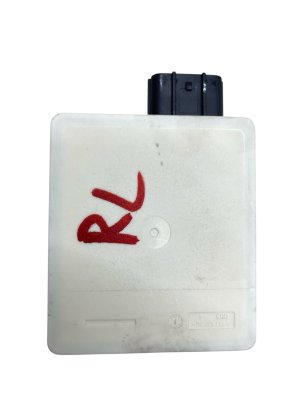
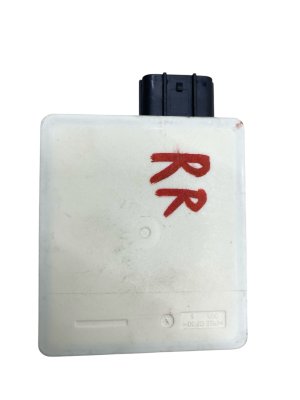
- Inspect the Housing: Look for any cracks, chips, or signs of repair on the black plastic housing. A compromised housing can let water in, which is a primary cause of failure.
- Check the Connector Pins: The electrical connector pins should be clean, straight, and free of any green or white corrosion. Corrosion is a major red flag indicating past moisture exposure.
- Ask About the Donor Vehicle: If possible, find out if the donor vehicle had any rear-end damage. A sensor from a vehicle with a clean rear end is always preferable to one from a collision, even if the sensor itself looks undamaged.
Replacement and Mandatory Calibration
Physically replacing the sensor is a moderately difficult job that involves removing the rear bumper cover to access the sensor's mounting bracket. The sensor is typically held on by a few bolts and a single electrical connector.
However, this is NOT a plug-and-play repair.
Warning: After a blind spot sensor is replaced, the system MUST be calibrated. Honda requires a BSI radar inspection and alignment procedure using specialized tools and a diagnostic scanner (like the Honda HDS). This procedure ensures the sensor is aimed correctly to detect vehicles accurately. Skipping calibration will result in the system either not working at all or, worse, providing unreliable alerts. This step almost always requires a visit to a Honda dealer or a well-equipped independent shop specializing in ADAS repairs.
Cost Comparison
Prices for collision avoidance sensors can vary significantly. A used OEM sensor is often the best value, providing factory performance at a fraction of the new price. Aftermarket options are rare and generally not recommended for such a critical safety component.
| Part Type | Estimated Cost |
|---|---|
| New OEM | $735 - $1,075 |
| New Aftermarket | Not generally available/recommended |
| Used OEM | $100 - $350 |
| Shop Labor (Installation) | $150 - $250 |
| Shop Labor (Calibration) | $100 - $300 |
Part Numbers and Compatibility
Part number verification is essential. The numbers below are for the Honda Passport. Do not use parts intended for the Honda Pilot, even if they appear identical.
| Side | Part Number(s) | Vehicle |
|---|---|---|
| Left (Driver Side) | 36936-TGS-A02 | 2019-2025 Honda Passport |
| Right (Passenger Side) | 36931-TGS-A02 | 2019-2025 Honda Passport |
| Right (Passenger Side) - Pilot ONLY | 36931-TG7-A21, 36931-TG7-A22, 36931-TG7-A23 | Honda Pilot (NOT FOR PASSPORT) |
Warning: The initial data for this guide included several part numbers that fit the Honda Pilot ONLY. For example, 36931-TG7-A23 is for a 2019-2022 Honda Pilot and will not work correctly in a Passport. Always confirm the part number on your original sensor before ordering a replacement.
Frequently Asked Questions (FAQ)
Why did my blind spot sensor fail?
The most common causes are water intrusion from road spray leading to internal corrosion, or physical damage from a minor rear-end collision that knocks the sensor out of alignment or cracks the housing.
Can I replace just one sensor?
Yes, you can replace only the failed sensor. However, you must use the correct part number for that specific side (left or right) and have the system professionally calibrated after installation.
Do I really need to calibrate the new sensor?
Yes, calibration is mandatory. The sensor needs to be precisely aimed to function correctly. Without calibration, the BSI system will likely remain disabled and display an error, or it could give false or late warnings, which is a safety hazard.
Will a sensor from a Honda Pilot fit my Passport?
No. While they may look physically similar and share a naming convention (e.g., TG7 vs TGS), the internal software and calibration parameters are different. Using a Pilot sensor on a Passport will result in a system error.
Why does the system turn off below 20 mph?
The Blind Spot Information system on the Honda Passport is designed to activate at speeds above approximately 20 mph. This is to prevent constant, unnecessary alerts in slow-moving, stop-and-go traffic or while maneuvering in parking lots. The Rear Cross Traffic Monitor function, which uses the same sensors, works when the vehicle is in reverse at low speeds.
Technical Specifications
OEM Part Numbers: 36930TG7A13 36930TGSA02 36931-TG7-A21 36931-TG7-A22 36931-TG7-A23 36931TGSA02 36935TG7A13 36935TGSA02 36936-TG7-A22 36936-TG7-A23 36936TGSA02 8S410-3BM-A02 8S4103BMA02 8S460-3BM-A02
The Blind Spot Information (BSI) system activates at speeds over 20 mph. The sensors are located in the rear bumper corners and use radar to detect vehicles. The system requires professional calibration after replacement.
We Have This Part in Stock





The information in this article is provided for general reference and educational purposes only. Vehicle specifications, procedures, and part compatibility can vary by production date, trim level, and region. Always consult your vehicle's factory service manual and verify part numbers before purchasing or performing repairs. Safety-critical components such as airbags, seat belts, and braking systems should be installed by a qualified professional.
- Honda Passport:
- 🛍️ Shop This Part
- Common Symptoms of a Failing Passport Blind Spot Sensor
- Known Issues, TSBs, and Recalls
- Buying a Used Honda Passport Blind Spot Sensor: A Buyer's Guide
- Replacement and Mandatory Calibration
- Cost Comparison
- Part Numbers and Compatibility
- Frequently Asked Questions (FAQ)
- 🎟️ Get 5% Off