

2024-2026 Genesis GV70 Blind Spot Sensor: US-Built Sport Package Fitment Explained
This guide decodes the critical fitment details for the 2024-2026 Genesis GV70's rear blind spot radar sensors, focusing on part numbers, symptoms, and mandatory calibration.
- Fitment is extremely specific: these sensors are for US-built (VIN starts with '5NM') 2024-2026 GV70s with the Sport Package only.
- You must physically verify and match the part number on your original sensor before ordering a replacement. The key rear sensor part numbers are 99140-AR500 (Left) and 99150-AR500 (Right).
- Replacement is not a simple DIY job. The rear bumper must be removed, and the new sensor requires mandatory ADAS calibration by a dealer or specialized shop.
- The most common symptom of failure is a "Check Driver Assistance system" warning on the dash, which disables blind spot and rear cross-traffic alerts.
Understanding the Most Critical Fitment Challenge
For the 2024-2026 Genesis GV70, replacing a blind spot radar sensor is not straightforward. The most critical factor is the vehicle's manufacturing origin and trim package. These sensors are specifically designed for GV70 models built in the United States (Montgomery, Alabama) and equipped with the Sport Package. They are not interchangeable with parts from Korean-built models or those without the Sport Package.
Warning: Before purchasing, you must verify your vehicle's specifications. Installing the wrong sensor will result in system malfunction and wasted time and money.
How to Verify Your GV70's Origin
You can determine where your GV70 was built by checking the Vehicle Identification Number (VIN). The first three characters of the VIN identify the manufacturing location.
- If the VIN starts with 5NM, the vehicle was built in the U.S. and may be compatible.
- If the VIN starts with KMU, the vehicle was built in Korea, and these specific parts will not fit.
The VIN is visible on the driver's side dashboard through the windshield and on a sticker in the driver's side door jamb.
Symptoms of a Failing Blind Spot Sensor
When a blind spot sensor fails, the vehicle will typically provide clear warnings on the instrument cluster. You will lose active safety features, but the vehicle will remain drivable.
- "Check Driver Assistance system" Warning: This is the most common message that will appear on the instrument cluster when the system detects a fault with a sensor.
- Blind Spot System Disabled: The warning light in the side mirrors will not illuminate, and you will receive no audible or visual alerts when a vehicle is in your blind spot.
- Rear Cross-Traffic Alert Inoperative: The system will not warn you of approaching traffic from the sides when you are backing out of a parking space.
- False Alerts: In some rare cases, a failing sensor might give false warnings, though a complete system shutdown is more common.
- Blocked Sensor Warnings: Sometimes, the system will display a "Camera/Radar/Sensor blocked" message. This can be caused by dirt, snow, or ice. Always make sure the bumper is clean before assuming the sensor has failed.
Known Issues, TSBs, and Recalls
As of mid-2026, there are no widespread recalls or Technical Service Bulletins (TSBs) specifically for premature failure of the blind spot radar sensors on the 2024-2026 GV70. However, several recalls exist for related systems:
- Instrument Panel Software: A recall was issued for certain 2025 GV70 models because a software error could cause the instrument panel display to fail, hiding critical information like the speedometer and warning lights.
- Fuel Pipe Leak: Some 2022-2026 GV70 vehicles were recalled for a potential fuel leak at the pipe connection to the fuel rail.
While these recalls do not directly involve the blind spot sensors, they highlight the electronic complexity of the vehicle. A malfunctioning instrument panel could prevent you from seeing a sensor failure warning.
Buying a Used Collision Avoidance Sensor
Purchasing a used OEM sensor can be a cost-effective solution, but careful inspection and verification are essential. Given the strict fitment requirements, this is a part where details matter immensely.
Key Verification Steps:
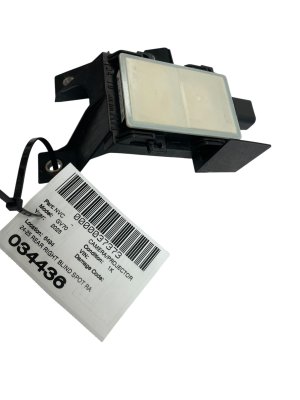
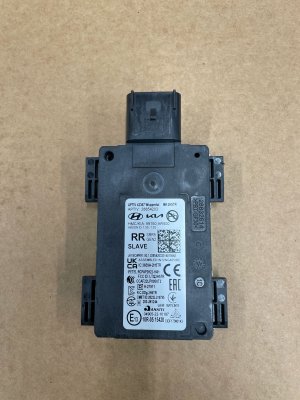
- Match the Part Number Exactly: This is the most important step. The part number is printed on the sensor's label. Do not order a part without first removing your old sensor to verify the number. The primary rear sensors for US-built models are 99140-AR500 (Left/Driver Side) and 99150-AR500 (Right/Passenger Side). Do not confuse these with parts ending in 'IY000', which may be for different vehicle specs or front sensors.
- Confirm Donor Vehicle Specs: If possible, get the VIN of the vehicle the used part came from. Use the VIN to confirm it was a US-built (starts with '5NM') GV70 with a Sport Package.
- Physical Inspection:
- Casing: Check for any cracks, deep scratches, or signs that the plastic housing has been compromised. Water intrusion is a primary cause of failure.
- Connector: Look at the electrical connector pins. They should be straight, clean, and free of any corrosion.
- Mounting Tabs: Ensure all mounting tabs are intact and not broken, as the sensor's precise angle is critical for calibration.
Pro Tip: For a complex electronic part like this, a used OEM sensor is often a better choice than a new aftermarket one. Aftermarket sensors can have trouble communicating correctly with the vehicle's main computer, leading to persistent errors and calibration failures. A used OEM part is already proven to work within the Genesis system architecture.
Replacement and Calibration
Physically replacing the sensor is moderately difficult, but the mandatory calibration makes this a challenging job for most DIY mechanics.
Installation Difficulty: 3 out of 5
The process involves:
- Bumper Removal: The rear bumper cover must be carefully removed to access the sensors, which are mounted in the corners of the vehicle.
- Sensor Replacement: The sensor is typically held in place by a few bolts or clips. After unbolting it, the electrical connector is disconnected.
- Reassembly: The new sensor is installed, and the bumper cover is reattached.
Mandatory Calibration
Warning: After replacement, the blind spot system must be calibrated. This procedure tells the vehicle the exact position and angle of the new sensor. Without proper calibration, the system will not work correctly and may even engage braking assists at the wrong time.
Calibration requires specialized equipment, including a diagnostic scan tool (like the Genesis GDS) and often physical targets placed at precise distances and angles from the vehicle. This service must be performed by a Genesis dealership or a qualified independent repair shop with the correct ADAS calibration equipment. This makes a true DIY replacement unfeasible for most people.
Cost Comparison
The mandatory calibration adds significant cost to the repair. Prices for the sensor itself can vary widely.
| Item | Estimated Cost |
|---|---|
| New OEM Sensor (Dealer) | $950 - $1,400 per sensor |
| Used OEM Sensor | $250 - $500 per sensor |
| New Aftermarket Sensor | Not widely available |
| Shop Labor (Bumper R&R) | $200 - $350 |
| Shop Labor (ADAS Calibration) | $250 - $500 |
| Total Dealer Repair (New) | $1,400 - $2,250+ |
| Total Independent Repair (Used) | $700 - $1,350+ |
Frequently Asked Questions (FAQ)
Do I have to replace both sensors if only one fails?
No, you can replace only the failed sensor. The vehicle's diagnostic system can identify which specific sensor (left or right) has malfunctioned.
Can I really not skip the calibration?
You cannot. The system is designed not to function without a successful calibration that confirms the sensor is correctly aligned. It is a required safety step to ensure the Blind-Spot Collision-Avoidance Assist works as intended.
Why did my blind spot system stop working in a car wash or heavy snow?
The radar sensors are located behind the plastic bumper cover. If the cover is blocked by water, snow, ice, or even thick mud, the radar waves can't get through. The system will temporarily disable itself and display a 'blocked' message. It should return to normal once the bumper is clean and dry.
Is a damaged blind spot sensor covered under warranty?
If the sensor fails due to an internal electronic or manufacturing defect, it would be covered under the vehicle's factory warranty. However, if it was damaged by a collision, road debris, or water intrusion from bumper damage, the repair would not be covered by warranty and would be the owner's responsibility or an insurance claim.
Technical Specifications
OEM Part Numbers: 99140-AR500 99150-AR500 99150-IY000
The sensors are radar units that operate as part of the vehicle's Blind-Spot Collision-Avoidance Assist (BCA) and Rear Cross-Traffic Collision-Avoidance Assist (RCCA) systems.
We Have This Part in Stock

The information in this article is provided for general reference and educational purposes only. Vehicle specifications, procedures, and part compatibility can vary by production date, trim level, and region. Always consult your vehicle's factory service manual and verify part numbers before purchasing or performing repairs. Safety-critical components such as airbags, seat belts, and braking systems should be installed by a qualified professional.
- Genesis GV70:
- 🛍️ Shop This Part
- Understanding the Most Critical Fitment Challenge
- How to Verify Your GV70's Origin
- Symptoms of a Failing Blind Spot Sensor
- Known Issues, TSBs, and Recalls
- Buying a Used Collision Avoidance Sensor
- Key Verification Steps:
- Replacement and Calibration
- Mandatory Calibration
- Cost Comparison
- Frequently Asked Questions (FAQ)
- 🎟️ Get 5% Off