

2022-2024 Ford F-150 Lightning Pre-Collision Sensor Failure: Warnings, Part Numbers, and Calibration
This guide details the common failures of the front collision avoidance sensor, explains the mandatory post-replacement calibration, and breaks down the true cost of repair.
- The most critical step of this repair is the mandatory ADAS calibration, which costs $350-$600+ and must be done by a shop with specialized equipment.
- The correct OEM part number is ML3Z-9E731-E, which costs around $420 new; used units can be found for under $200.
- Common symptoms are "Pre-Collision Assist Not Available" and "Front Sensor Blocked" warnings on the dashboard, which also disable Adaptive Cruise Control.
- The sensor is located in the front bumper on the driver's side, not in the frunk. Check for simple blockages like ice or dirt before assuming the sensor has failed.
Understanding the F-150 Lightning's Front Collision Sensor

The front collision avoidance sensor, which Ford calls the Cruise Control Module (CCM), is a small radar unit located in the front bumper area. It works with a camera mounted on the windshield to power the Ford Co-Pilot360™ features, including Pre-Collision Assist and Adaptive Cruise Control. When this sensor fails or is blocked, you will lose these important safety and convenience features.
Sensor Location
Contrary to some catalog information, this sensor is not located in the frunk. It is mounted in the lower front bumper, on the driver's side (left side) of the license plate area. It sits behind a plastic trim piece that is transparent to radar waves.
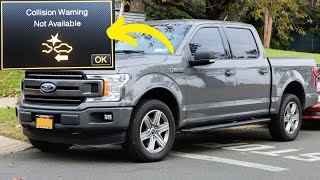
Symptoms of a Failing Collision Avoidance Sensor 🎬 Watch this overview of the 'Collision warning not available' warning in an F-150


Failure of the front radar sensor typically results in clear warnings on the instrument cluster. Here are the most common symptoms:
- "Pre-Collision Assist Not Available" Warning: This is the most common message, indicating a system fault. The warning may appear on startup and sometimes resets after the truck is turned off and on again.
- "Front Sensor Blocked" Message: This message can appear if the sensor is genuinely obstructed by snow, ice, heavy rain, or dirt. However, if the message appears in clear weather with a clean bumper, it can indicate a sensor or wiring harness fault.
- Adaptive Cruise Control Inoperative: Because it relies on the same radar, Adaptive Cruise Control will be disabled when a sensor fault is present.
- False Activations: While less common for a complete failure, a misaligned or failing sensor could theoretically cause unexpected braking, though most owner complaints revolve around the system disabling itself.
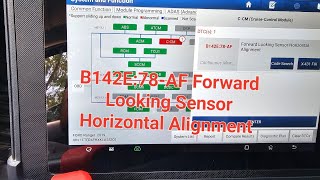
- Diagnostic Trouble Codes (DTCs): A common code stored in the Cruise Control Module for this issue is B142E, indicating a problem with the forward-looking sensor's horizontal alignment.
Known Issues, TSBs, and Recalls
As of mid-2024, there are no specific recalls for the failure of this front radar sensor on the 2022-2024 F-150 Lightning. Searches for recalls primarily show issues related to battery cells, suspension nuts, and park modules.
However, forum discussions reveal several common owner experiences:
- Weather Sensitivity: The "sensor blocked" message is frequently reported by owners in snowy, icy, or heavy rain conditions. This is often considered normal operation, as the radar cannot see through dense obstructions.
- Intermittent Faults: Some owners report intermittent "Pre-Collision Assist Not Available" warnings that disappear after a vehicle restart. This can point to a software glitch, a low 12V battery state, or a developing hardware issue like a loose electrical connector.
- Related TSB: While not for the radar itself, Ford issued TSB 23-2146 for some 2021-2023 F-150s for similar warning messages caused by a poor connection at the windshield-mounted camera (IPMA), which works with the radar. This highlights the importance of checking all related components.
Buying a Used Collision Avoidance Sensor
Given the high cost of a new sensor and the mandatory calibration, buying a quality used OEM sensor can be a smart financial decision. Aftermarket options are not recommended for such a critical safety component that requires precise integration with the vehicle's software.
What to Check Before You Buy:
- Verify the Part Number: The correct service part number for the 2022-2024 F-150 Lightning is ML3Z-9E731-E. This may supersede older numbers like ML3Z-9E731-D. The number printed on the unit itself is often the engineering number, such as ML3T-9G768-AL. Cross-reference these numbers to ensure you are buying the correct part.
- Physical Inspection: When inspecting a used sensor, look for:
- No Cracks: The housing should be free of cracks or significant damage.
- Clean Connector Pins: The electrical connector pins should be straight, clean, and free of any corrosion or moisture damage.
- Intact Mounting Points: Ensure all mounting tabs and brackets are intact and not broken from a previous accident.
- Source Vehicle Information: If possible, get the VIN of the vehicle the part came from. This can help a dealer verify compatibility and check if the donor vehicle had related issues. Low-mileage donors are always preferable.
Pro Tip: The biggest cost is not the part, but the calibration. Before you buy a used sensor, call a local dealership or an ADAS calibration specialty shop to get a quote for the calibration service. Factor this cost into your total repair budget.
Replacement and Calibration

Physically replacing the sensor is relatively straightforward, but the procedure is not complete until the sensor is professionally calibrated.
Warning: This part is NOT plug-and-play. A new or used sensor must be calibrated to the vehicle using specialized equipment. Failure to calibrate the sensor will result in the safety systems remaining inoperative and will likely display a "Front Sensor Not Aligned" message.
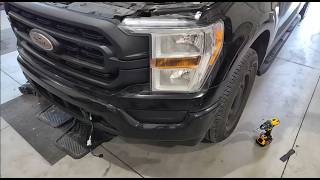
- Installation: The sensor is located behind a trim panel in the front bumper. The panel is removed, and the sensor is typically held in a bracket by a few bolts or clips. The electrical connector is unplugged, and the new sensor is installed in its place.
- Programming & Calibration: This is a mandatory, multi-step process that must be performed by a dealer or a qualified ADAS service center.
- Module Configuration: The technician uses Ford's diagnostic software (FDRS) to configure the new module to the truck's VIN.
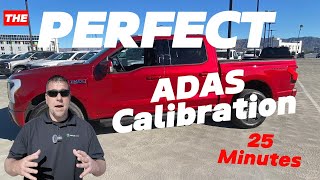
- Dynamic Calibration: The technician initiates the calibration procedure with the scan tool. The vehicle must then be driven on a straight, flat road with clear lane markings at speeds over 30-35 MPH for 10-25 minutes. 🎬 Watch how a dynamic ADAS calibration is performed on a Ford CCM The sensor uses the input from this drive to align itself with the vehicle's direction of travel.
Cost Breakdown
The total cost of this repair is split between the part and the essential calibration service. Prices are estimates and can vary by location and supplier.
| Item | Estimated Cost | Notes |
|---|---|---|
| New OEM Sensor | $420 - $680 | Part number ML3Z-9E731-E. Price varies between online dealers and local dealership parts counters. |
| Used OEM Sensor | $150 - $250 | Sourced from online marketplaces like eBay or salvage yards. |
| New Aftermarket Sensor | Not Recommended | Aftermarket options are rare and not advised due to the critical safety function and complex software integration. |
| Shop Labor (Installation) | $100 - $200 | Estimated 1.0-1.5 hours for physical installation. |
| Shop Labor (Calibration) | $350 - $600+ | This is a separate, mandatory procedure. Independent ADAS shops are often cheaper than dealers. |
Frequently Asked Questions (FAQ)
Can I replace the collision sensor myself to save money?
You can perform the physical swap of the sensor, which is relatively simple. However, you will still need to take the vehicle to a dealership or a specialized ADAS calibration shop to have the sensor programmed and calibrated. The system will not work without this step.
My "Pre-Collision Assist Not Available" light is on. Do I definitely need a new sensor?
Not necessarily. First, ensure the front bumper area in front of the sensor (driver's side, near the license plate) is completely clean and free of dirt, snow, or ice. The issue could also be a software glitch that a vehicle restart might fix, a poor wiring connection, or a problem with the related windshield camera. A professional diagnosis with a scan tool is needed to confirm the root cause.
Why is calibration so expensive and is it really required?
Yes, it is absolutely required. Calibration aligns the radar's field of view with the exact centerline and direction of your truck. Without it, the system wouldn't know where "straight ahead" is, making it unsafe and ineffective. The cost is high because it requires expensive, manufacturer-specific diagnostic tools (like Ford's FDRS), trained technicians, and a specific procedure (like a controlled test drive) to complete successfully.
Will a lift kit or aftermarket bumper affect the collision sensor?
Yes, significantly. Changing the truck's ride height or the position of the sensor with an aftermarket bumper will change the radar's angle relative to the road. This will require a recalibration to ensure the system functions correctly. Many aftermarket bumpers may not have proper mounting locations or may block the radar's view, rendering the system inoperative.
Helpful Videos
Technical Specifications
OEM Part Numbers: ML3Z-9E731-E ML3Z-9E731-D ML3T-9G768-AL
Front-facing radar module for Ford Co-Pilot360. Operates in conjunction with the windshield-mounted IPMA camera. Requires post-installation dynamic calibration via Ford Diagnostic & Repair Software (FDRS).
We Have This Part in Stock



The information in this article is provided for general reference and educational purposes only. Vehicle specifications, procedures, and part compatibility can vary by production date, trim level, and region. Always consult your vehicle's factory service manual and verify part numbers before purchasing or performing repairs. Safety-critical components such as airbags, seat belts, and braking systems should be installed by a qualified professional.
- Ford F-150 Lightning:
- 🎬 Helpful Videos
- 🛍️ Shop This Part
- Understanding the F-150 Lightning's Front Collision Sensor
- Sensor Location
- Symptoms of a Failing Collision Avoidance Sensor
- Known Issues, TSBs, and Recalls
- Buying a Used Collision Avoidance Sensor
- What to Check Before You Buy:
- Replacement and Calibration
- Cost Breakdown
- Frequently Asked Questions (FAQ)
- 🎟️ Get 5% Off