

2013-2019 Ford Escape Blind Spot Sensor: Faults, Part Numbers & Replacement Guide
This guide explains the common 'Blind Spot System Fault' message, identifies the correct replacement parts by year, and details the required programming for 2013-2019 Ford Escape models.
- Part compatibility is split: 2013-2016 models use a universal sensor (DV6Z-14C689-A), while 2017-2019 models use side-specific sensors.
- Programming is mandatory. A replacement sensor, new or used, will not function until it is programmed to the vehicle using Ford's software or FORScan.
- Water intrusion is the most common cause of failure. When buying a used part, inspect the connector pins carefully for any signs of corrosion.
- The 'Blind Spot System Fault' and 'Cross Traffic System Fault' messages almost always appear together as they share the same sensors.
Common Failure Symptoms and Dashboard Warnings

The most common sign of a problem is a warning message appearing in the instrument panel display. You will typically see one or both of the following messages:
- Blind Spot System Fault
- Cross Traffic System Fault
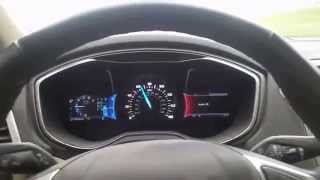
When a fault occurs, the system disables itself as a safety precaution to avoid giving false alerts. The amber indicator lights in the side mirrors will no longer illuminate when a car is in your blind spot. In many cases, the failure is caused by moisture getting inside the sensor module or its electrical connector, leading to corrosion and electronic failure. 🎬 Watch this video on diagnosing and repairing Ford blind spot system malfunctions This is especially common after heavy rain or a car wash. Occasionally, a problem with the trailer wiring harness can trick the system into thinking a trailer is connected, which also disables the system and may display a "BLIS unavailable, trailer attached" message.
Known Issues, TSBs, and Recalls

While there are no major safety recalls for the BLIS/CTA sensors on the 2013-2019 Escape, Ford has issued a Technical Service Bulletin (TSB) for a specific software-related issue.
TSB 18-2229: BLIS and CTA Fault Messages
For some 2018 Ford Escape models built on or before May 4, 2018, a software issue can cause the "Blind Spot System Fault" and "Cross Traffic Alert Fault" messages to appear. This may store a Diagnostic Trouble Code (DTC) U3000:46 in the system memory. According to the TSB, the fix is not to replace the sensor, but to reprogram the Side Obstacle Detection Left (SODL) and Right (SODR) modules with updated software using a Ford diagnostic tool. If you have a 2018 model with this specific code, a software update at a dealership or a capable independent shop may solve the problem without needing a new part.
Recall Note: There have been numerous Ford recalls for faulty rearview cameras on 2015-2016 Escapes and other models. This is a separate system from the blind spot sensors. A faulty backup camera will affect the image on your center screen, while a faulty blind spot sensor will trigger a warning message and disable the lights in your side mirrors.
Part Number Guide: A Critical Difference by Year

Choosing the correct part is critical, as Ford used two different systems during this generation. Compatibility is split between 2013-2016 and 2017-2019 models.
| Model Years | Part Number | Fitment |
|---|---|---|
| 2013 – 2016 | DV6Z-14C689-A (or DV6T-14C689-xx) | Fits both Left (Driver) and Right (Passenger) sides. |
| 2017 – 2019 | GV6T-14D599-AC (Left/Driver Side) | These modules are side-specific. You must order the correct part for the side you are replacing. The corresponding right-side module will have a different part number. |
Always verify the part number on your original module before ordering a replacement.
A Buyer's Guide to Used Collision Avoidance Sensors

Buying a used OEM sensor is a cost-effective way to fix your BLIS/CTA system, often saving you hundreds of dollars compared to a new part. However, there are important things to check to ensure you get a good part.
- Verify the Year Range and Part Number: This is the most important step. Use the table above to identify the correct part for your Escape's model year. A sensor from a 2015 model will not work in a 2018 model, and vice-versa.
- For 2017-2019, Verify the Side: Ensure you are buying the correct module for the driver (LH) or passenger (RH) side. They are not interchangeable.
- Inspect the Connector Pins: The primary killer of these modules is water intrusion. Ask the seller for a clear photo of the electrical connector pins. Look for any signs of green or white crusty corrosion, or any indication of water damage. Do not buy a module with corroded pins.
- Check the Housing for Damage: The module is a sensitive radar unit. Inspect the casing for cracks, deep gouges, or broken mounting tabs that could indicate it was damaged in an accident.
- Budget for Programming: A used sensor will not work by simply plugging it in. It must be professionally programmed to your vehicle's VIN and configuration. Factor this additional cost into your repair budget.
Pro Tip: When buying used, an OEM part is strongly recommended over an aftermarket one. The vehicle's complex communication systems are designed to work with Ford's specific hardware and software. A used OEM module that is properly programmed is more likely to function correctly than a new, unproven aftermarket part.
Replacement and Programming Guide

Replacing the blind spot sensor is a moderately difficult job, primarily because it requires removing the rear bumper cover and performing a software calibration.
- Location: The sensors are mounted to the vehicle's body on the outer corners, behind the rear bumper cover.
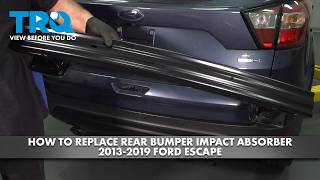
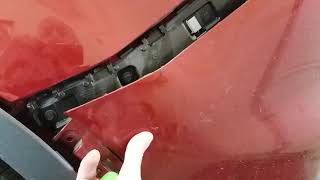
- Installation: The rear bumper cover must be removed to access and replace the modules. This involves removing several screws, clips, and the tail lights. 🎬 See how to remove the rear bumper cover step-by-step
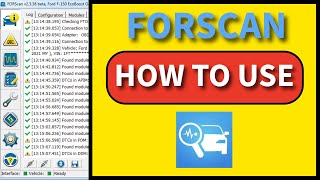
- Programming (Required): After the new or used module is installed, it must be programmed to the vehicle. This procedure, known as Programmable Module Installation (PMI), copies your vehicle's configuration data to the replacement module. This can be done by a Ford dealership, an independent shop with Ford's diagnostic software (IDS/FDRS), or by a DIYer with an OBDII adapter and advanced software like FORScan. 🎬 Watch this step-by-step tutorial on using FORScan for programming Without this step, the system will not recognize the new module and the fault will remain.
Cost Comparison
| Part/Service | Estimated Cost |
|---|---|
| New OEM Sensor | $1,000 - $1,500 |
| New Aftermarket Sensor | $150 - $400 |
| Used OEM Sensor | $75 - $200 |
| Shop Labor (Installation & Programming) | $250 - $500 |
Frequently Asked Questions (FAQ)
Do I have to program a replacement blind spot sensor?
Yes. Whether you use a new or a used module, it must be programmed to your vehicle's specific configuration. The module needs to be configured for your vehicle's VIN and options. Failure to program the module will result in it not working.
Can I ignore the 'Blind Spot System Fault' warning?
You can continue to drive the vehicle, but the blind spot and cross-traffic alert safety features will be disabled. You will need to rely solely on your mirrors and looking over your shoulder when changing lanes or backing up. The warning message on the dash will also remain on.
Why did my blind spot sensor fail?
The most common cause of failure is water and moisture getting into the sensor or its electrical connector, causing corrosion and short circuits. The sensors are located in an area exposed to road spray from the rear wheels. Physical damage from a minor rear-end collision can also cause failure.
What's the difference between the 2013-2016 and 2017-2019 sensors?
They are completely different parts. The 2013-2016 Escape uses part number DV6Z-14C689-A, which can be used on either the left or right side. The 2017-2019 Escape uses side-specific modules, like GV6T-14D599-AC for the left side. The parts are not interchangeable between the two year ranges.
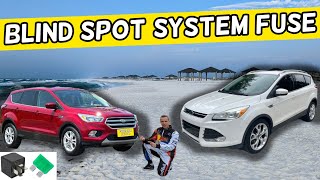
Helpful Videos
Technical Specifications
OEM Part Numbers: DV6Z-14C689-A DV6T14C689BB DV6T14C689BC GV6T-14D599-AC GV6T14D599AC
The sensors are radar-based modules that operate as part of the vehicle's CAN bus network. They are located behind the rear bumper cover on the left and right quarter panels.
We Have This Part in Stock



The information in this article is provided for general reference and educational purposes only. Vehicle specifications, procedures, and part compatibility can vary by production date, trim level, and region. Always consult your vehicle's factory service manual and verify part numbers before purchasing or performing repairs. Safety-critical components such as airbags, seat belts, and braking systems should be installed by a qualified professional.
- Ford Escape:
- 🎬 Helpful Videos
- 🛍️ Shop This Part
- Common Failure Symptoms and Dashboard Warnings
- Known Issues, TSBs, and Recalls
- TSB 18-2229: BLIS and CTA Fault Messages
- Part Number Guide: A Critical Difference by Year
- A Buyer's Guide to Used Collision Avoidance Sensors
- Replacement and Programming Guide
- Cost Comparison
- Frequently Asked Questions (FAQ)
- 🎟️ Get 5% Off