

2017-2024 Pacifica, Voyager & Grand Caravan Blind Spot Sensor Failure and Replacement
Diagnosing the 'Blind Spot Unavailable' message, what causes these radar sensors to fail, and the critical programming steps required after replacement.
- A replacement sensor, new or used, is NOT plug-and-play and requires professional programming to be recognized by the vehicle.
- Failure is most often caused by water intrusion leading to corrosion; always inspect the electrical connector on a used part.
- This single module powers both the Blind Spot Monitoring and the Rear Cross Path Detection safety features.
- Symptoms include 'Unavailable' messages, false alerts, or a warning light that is stuck on.
Symptoms of a Failing Blind Spot Sensor

When a blind spot sensor on your Chrysler Pacifica, Voyager, or Grand Caravan begins to fail, you'll typically see clear warnings on your dashboard. The vehicle's computer knows a sensor is offline or providing bad data and will disable the system.
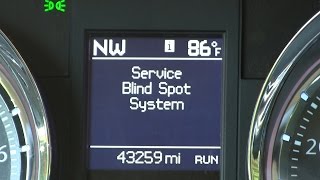
- "Blind Spot Monitor Unavailable" Message: This is the most common symptom. A message will appear on the instrument cluster display, indicating the system has shut itself down.
- Warning Light Stays On: The triangular warning icon in one of the side mirrors may stay illuminated constantly, even when no vehicle is in your blind spot.
- Constant False Alerts: The sensor may malfunction and trigger the light and audible chime when there is no vehicle present, such as when you are making a turn with your signal on.
- No Alerts at All: The most dangerous symptom is a complete failure to detect a vehicle that is in your blind spot.
- Unrelated Electrical Problems: In some cases, owners have reported strange electrical issues, like a power window not working, at the same time as a blind spot alert failure. This can sometimes be traced to a failing vehicle battery causing low voltage conditions that make various electronic modules act erratically.
Common Causes of Failure and Known Issues

These sensors live in a harsh environment behind the bumper, making them vulnerable to a few common problems.
Water Intrusion and Corrosion
The number one cause of failure is moisture. The sensors are mounted in an area susceptible to water, road salt, and dirt kicked up by the rear tires. Over time, the seals on the sensor's casing or the electrical connector can degrade, allowing water inside. This leads to corrosion on the circuit board or the connector pins, causing a short circuit and killing the module. Forum users frequently report diagnosing a bad sensor only to find evidence of water damage upon removal.
🎬 Watch this guide on fixing Chrysler blind spot system errorsPhysical Damage
Even a minor parking lot bump or backing into a snowbank can be enough to damage a sensor or its mounting bracket. The bumper cover might flex and pop back into place with no visible marks, but the impact can crack the sensor's housing or break its alignment tabs, causing it to malfunction.
Software Glitches
Sometimes, the issue isn't with the hardware but with the software. False alerts or intermittent availability can sometimes be caused by a software bug. Chrysler has released Technical Service Bulletins (TSBs) for other vehicles, like TSB 08-015-23 for the 2022 Chrysler 300, to fix false blind spot warnings with a software update. If you experience false alerts, it's worth checking with a dealer to see if a similar software re-flash is available for your minivan before replacing the part.
Important: The small, round, button-like sensors on the face of the bumper are for the ParkSense parking assist system. The blind spot radar modules are larger, box-shaped units located inside the bumper cover at the corners and are not visible from the outside. Cleaning the parking sensors will not fix a blind spot system error.
Buying a Used Collision Avoidance Sensor

A used OEM sensor is a cost-effective alternative to an expensive new part, but careful inspection is key. Since these fail primarily from environmental exposure, you need to know what to look for.
- Verify Part Numbers: The best way to ensure compatibility is to match the part number from your old sensor. However, Chrysler has updated these parts several times. The latest part number, 04672786AD, is listed as a replacement for many previous versions, including 4672625AA, 4672625AB, 4672625AC, 4672625AD, 68306454AA, and 68306454AB. Buying the newest version available is generally the safest bet.
- Inspect the Connector: This is the most critical check. Look inside the electrical connector port on the sensor. There should be no green or white crusty residue. Any sign of corrosion means the sensor has been exposed to moisture and is likely damaged or will fail soon.
- Check the Casing: Examine the black plastic housing for any cracks, especially around the seams. A cracked case is a guaranteed path for water intrusion.
- Buy From a Reputable Source: Purchase from a seller that offers a warranty. This gives you protection in case the part is dead on arrival or fails shortly after installation.
Programming Is Required: This is not a plug-and-play part. A replacement sensor, whether new or used, must be programmed to the vehicle's computer system. If you simply swap the part, the system will not recognize it and will remain disabled. This procedure requires a dealer's wiTECH scan tool or a high-end professional aftermarket scanner. Factor the cost of programming into your budget.
🎬 See how ADAS blind spot radar calibration worksCost of Replacement
The cost to fix a failed blind spot sensor can vary dramatically depending on the parts you choose and who performs the labor.
| Item | Estimated Cost |
|---|---|
| New OEM Sensor (Dealer) | $800 - $1,150 |
| New Aftermarket Sensor | $350 - $500 |
| Used OEM Sensor | $70 - $200 |
| Shop Labor (Replacement & Programming) | $200 - $450 |
Replacement Overview & Difficulty

Physically replacing the sensor is a manageable DIY job for someone comfortable with basic tools, but the final programming step requires professional help.
- Difficulty: 3 out of 5
- Estimated Time: 1.5 - 2.5 hours
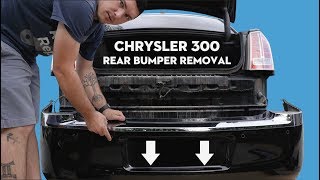
- Procedure: The rear bumper cover must be removed to access the sensors. This involves removing screws in the wheel wells, plastic clips underneath, and bolts inside the rear liftgate area. Once the bumper is off, the sensor is typically held by a few bolts or clips. You simply unbolt the old sensor, disconnect the electrical harness, and install the new one in its place.
- Final Step: After the physical installation, the vehicle must be taken to a dealership or a qualified independent shop to have the new module calibrated and programmed to the vehicle's network.
Frequently Asked Questions (FAQ)
Do I have to replace both sensors if only one is bad?
No, you only need to replace the sensor that has failed. The left and right sensors are separate units, and the vehicle's diagnostic system can identify which specific side is malfunctioning.
Can I really not program a used sensor myself?
For the average DIY mechanic, no. The programming procedure requires specific diagnostic software, like Chrysler's wiTECH, that communicates with the vehicle's body control module and CAN bus network to initialize the new sensor. Without this step, the car will not accept the replacement part. Some third-party programmers like OBD Genie or advanced scan tools may offer this function, but it is not a given.
Why did my blind spot system turn off after going through a car wash?
Heavy rain, snow, mud, or even a high-pressure car wash can temporarily block the radar signal. The system is designed to recognize this and will often display an "unavailable" message. In most cases, the system will begin working again on its own after the sensor area dries out and you drive for a few minutes. If the problem persists, the car wash may have forced water into a failing seal, causing permanent damage.
Is this sensor related to the backup camera or 360-degree camera?
No, this radar sensor is separate from the camera systems. The backup and 360-degree view systems use cameras, while the blind spot and rear cross path systems use radar waves to detect objects. A failure in one system does not typically affect the other, though they are both considered advanced driver-assistance systems (ADAS).
Helpful Videos
Technical Specifications
OEM Part Numbers: 04672786AD 04672786AC 04672786AB 68306454AB 68306454AA 04672625AD 04672625AC 04672625AB 4672625AA
Radar-based sensor module for Blind Spot Monitoring (BSM) and Rear Cross Path (RCP) detection systems. Mounts inside the rear bumper cover.
We Have This Part in Stock



The information in this article is provided for general reference and educational purposes only. Vehicle specifications, procedures, and part compatibility can vary by production date, trim level, and region. Always consult your vehicle's factory service manual and verify part numbers before purchasing or performing repairs. Safety-critical components such as airbags, seat belts, and braking systems should be installed by a qualified professional.
- Chrysler Pacifica:
- Chrysler Voyager:
- Chrysler Grand Caravan:
- 🎬 Helpful Videos
- 🛍️ Shop This Part
- Symptoms of a Failing Blind Spot Sensor
- Common Causes of Failure and Known Issues
- Water Intrusion and Corrosion
- Physical Damage
- Software Glitches
- Buying a Used Collision Avoidance Sensor
- Cost of Replacement
- Replacement Overview & Difficulty
- Frequently Asked Questions (FAQ)
- 🎟️ Get 5% Off