

2016-2017 Equinox, Terrain, Envision & Malibu Blind Spot Sensor Guide
Diagnosing the common 'Service Side Detection System' message and understanding the replacement of the blind spot radar module.
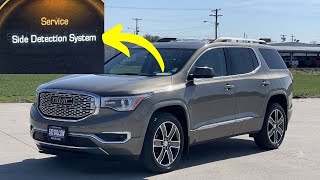
- The most common failure is the "Service Side Detection System" message, often caused by water intrusion or corrosion.
- The replacement part number for all listed vehicles is 84664805, which supersedes older numbers and works for both left and right sides.
- Calibration is typically not required; these modules are designed to self-calibrate after installation while driving.
- Before buying a replacement, ensure your rear bumper is clean and free of obstructions like dirt or stickers, as this can mimic a sensor failure.
Symptoms of a Failing Blind Spot Sensor
When a blind spot sensor begins to fail, your vehicle will typically provide clear warnings. The most common symptom is a message on the Driver Information Center (DIC) that reads "Service Side Detection System 🎬 See how to diagnose this service warning" or "Side Blind Zone Alert Unavailable." You may also notice:
- Warning Light in Mirror Stays On: The amber warning icon in one or both side mirrors may illuminate and stay lit, even with no vehicles in your blind spot.
- Warning Light Never Comes On: The system may fail to detect vehicles entirely, meaning the mirror light never activates when a car is in your blind spot. This is a significant safety risk.
- Constant False Alerts: The system may trigger alerts when no vehicle is present, sometimes caused by driving past guardrails or in poor weather.
- System Disabled on Startup: The system may show a disabled message immediately after starting the car, which can sometimes be caused by a module that has detected an internal fault or a mounting issue.
Known Issues and Technical Service Bulletins (TSBs)
For the 2016-2017 Chevrolet Equinox, GMC Terrain, 2016 Buick Envision, and 2016 Chevrolet Malibu, the most common issues with the blind spot system are related to the sensors themselves and their environment.
- Water Intrusion and Corrosion: The location of the modules behind the rear bumper makes them vulnerable to water, road salt, and dirt. Over time, moisture can get inside the sensor housing or corrode the electrical connector pins, leading to intermittent or total failure.
- Mounting and Alignment Issues: TSB PIT5622B, while for other GM SUVs, highlights a relevant problem: the modules are sensitive to their mounting position. If a module's bracket is broken, loose, or misaligned—often after a minor bumper impact—it can't read the road correctly and will disable itself, triggering a service message.
- Normal System Behavior: GM issued bulletin 16-NA-069 explaining that the "Side Object Detection System Disabled" message can sometimes appear during normal operation. If the vehicle is driven for 15-25 minutes in an open area with no other cars or objects for the radar to see, the system may assume it's blocked and temporarily shut down. It will reset on the next ignition cycle. This is not a fault.
- Bumper Obstructions: The radar signals cannot pass through metal or chrome. Bumper stickers, and especially aftermarket chrome overlays, can block the signal and cause the system to malfunction.
Pro Tip: Before assuming the sensor has failed, thoroughly wash the rear bumper corners to remove any dirt, snow, or ice that could be blocking the radar. This simple step can sometimes restore normal operation.
Buying a Used Blind Spot Sensor: What to Check
A used OEM sensor is often a reliable and cost-effective alternative to a new part. Here’s what to look for when buying a recycled module:
- Verify the Part Number: The most critical step. The original part numbers for these vehicles (84004214, 84004215, 84089898, 84509981) have been superseded. The current GM replacement part is 84664805. Ensure the used part you buy is one of these numbers. These modules are the same for the left and right sides.
- Inspect the Casing: Look for cracks, deep scratches, or any signs the case has been opened. The seam where the two halves of the plastic shell meet is a common point for water entry.
- Check the Connector: The electrical connector pins should be clean, straight, and free of any green or white corrosion. Corrosion is a major cause of failure and a clear red flag.
- Ask About the Source Vehicle: A sensor from a vehicle with front-end damage is a much safer bet than one from a car that was rear-ended. A rear impact could have caused hidden damage to the module or its mounting bracket.
Replacement and Calibration
Replacing the blind spot sensor is a moderately difficult job for a DIYer, primarily because it requires removing the rear bumper cover to access the modules.
- Installation Difficulty: 3 out of 5.
- Process: The basic steps involve disconnecting the battery, carefully removing the rear bumper cover, locating the module on the corner of the vehicle, disconnecting the electrical harness, and unbolting the module from its bracket. Installation is the reverse of removal.
- Calibration Requirements: This is the most important consideration. According to GM service information, the Side Object Sensor Modules continuously perform their own calibration during operation. Therefore, a specific programming or calibration procedure is often not required after replacement, which is a major advantage for DIY replacement. However, if issues persist, a dealer or qualified shop may need to use a scan tool to perform a programming and setup procedure.
Warning: While many sources indicate these modules are plug-and-play, some vehicle-specific software configurations may require a programming event with a GM-specific scan tool. If you install a new sensor and the system does not work, professional diagnosis may be necessary.
Cost Comparison
| Part Type | Estimated Cost |
|---|---|
| New OEM (GM) | $220 - $290 |
| New Aftermarket | Not commonly available |
| Used OEM | $50 - $150 |
| Shop Labor for Replacement | $150 - $250 |
Frequently Asked Questions (FAQ)
Where is the blind spot sensor located?
The blind spot sensors (one on each side) are located behind the rear bumper cover at the corners of the vehicle. You cannot see them from the outside.
Do I need to program a new or used blind spot sensor?
Generally, no. For these specific GM vehicles, the side object sensor modules are designed to self-calibrate while driving. You should be able to install a compatible replacement, and it will begin working correctly after a drive cycle. However, in some cases, a software update or programming may be needed if the issue persists.
Can I replace just one sensor?
Yes. The left and right sensors are independent, and the part number (84664805) works for both sides. You only need to replace the one that has failed.
Why does my blind spot alert say "temporarily unavailable"?
This message often means the sensor's view is blocked. Common causes include a dirty bumper, heavy rain or snow, or towing a trailer. If the message appears in clear weather with a clean bumper, it could indicate an intermittent electrical issue or a failing sensor.
Helpful Videos
Technical Specifications
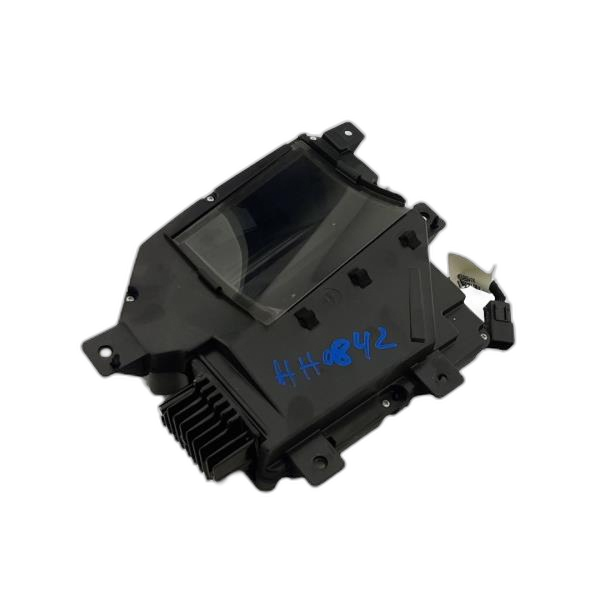
OEM Part Numbers: 84664805 84004214 84004215 84089898 84509981
Side Obstacle Detection Module for GM option code UFG (Side Blind Zone Alert). Operates on radar. Mounts behind the rear bumper cover.
We Have This Part in Stock




The information in this article is provided for general reference and educational purposes only. Vehicle specifications, procedures, and part compatibility can vary by production date, trim level, and region. Always consult your vehicle's factory service manual and verify part numbers before purchasing or performing repairs. Safety-critical components such as airbags, seat belts, and braking systems should be installed by a qualified professional.
- Buick Envision:
- Chevrolet Equinox:
- GMC Terrain:
- Chevrolet Malibu: