

2013-2017 Audi A4, S4, A5, S5, Q5 & SQ5 Side Assist Sensor Failure and Replacement
Diagnose the common 'Audi Side Assist Unavailable' warning and learn about the critical programming and calibration required when replacing these rear radar modules.
- This is NOT a plug-and-play part. Replacement requires mandatory 'Component Protection' removal and ADAS calibration by a dealer or specialist with online factory tools.
- The most common cause of failure is water intrusion from cracks in the sensor housing, due to its location behind the rear bumper.
- A persistent 'Sensors Blocked' warning on a clean bumper is a primary symptom of internal module failure, not just dirt.
- You can save significant money by performing the physical installation yourself and then paying a professional for the required programming and calibration.
Symptoms of a Failing Side Assist Sensor
When a Side Assist radar sensor fails, the entire system typically shuts down as a safety precaution. You will usually see a clear message on your instrument cluster display and notice the system is no longer functional.
- "Audi Side Assist: system fault" Warning: This is the most common and direct indicator of a hardware or communication problem within the system. The message will appear on the Driver Information System (DIS) screen between your gauges.
- "Audi side assist unavailable: Sensors blocked" Message: While this can be caused by actual obstructions like mud, snow, or ice, it can also indicate an internal sensor failure. If the message persists after the bumper has been thoroughly cleaned, it often points to a faulty module.
- Inoperative Mirror Lights: The yellow LED warning lights in your side mirrors will not light up when a car is in your blind spot. They may also fail their initial self-check flash when you start the car.
- System Grayed Out in MMI: In the vehicle's Multi Media Interface (MMI), the option to turn on or adjust the Side Assist system will be grayed out and inaccessible.
- Intermittent Operation: Before failing completely, the system might work sporadically, often cutting out in heavy rain or after a car wash. This is a strong sign of water beginning to penetrate the sensor's housing.
Known Issues, TSBs, and Recalls
The primary cause of failure for these sensors is their location, which exposes them to harsh conditions.
Common Causes of Failure
- Water Intrusion: This is the number one reason these modules fail. Over time, the plastic housing can develop hairline cracks, allowing moisture to seep in and corrode the internal circuit board. This corrosion is often visible as white or green powder on the electrical connector pins.
- Physical Damage: Even a minor impact to the rear bumper can crack the sensor's housing or break its mounting bracket, leading to failure or misalignment.
- Improper Bumper Repair: If the rear bumper is repainted, excessive paint thickness over the sensor area can block the radar signals and cause the system to malfunction.
Technical Service Bulletins (TSBs)
Audi issued TSB 96 13 60 2033943/1 for an issue where the "Audi side assist unavailable: Sensors blocked" message appears during specific driving conditions, like very slow stop-and-go traffic or long drives on empty roads with nothing for the radar to track. The bulletin notes this is a software sensitivity issue and advises against replacing hardware for this specific complaint, as a software update was planned to address it.
Recalls
As of early 2026, there are no specific NHTSA recalls for the Side Assist sensors on the 2013-2017 Audi A4, S4, A5, S5, Q5, or SQ5. While recalls exist for these models concerning other components like fuel pump flanges, they do not pertain to the blind spot monitoring system.
Buying a Used Collision Avoidance Sensor
A used OEM sensor is a great way to save a significant amount of money compared to a new dealer part. However, these are sensitive electronic modules, and careful inspection is key. A used OEM part that passes inspection is often a more reliable choice than a new, unproven aftermarket part.
Pro Tip: The physical installation is DIY-friendly, but the final steps are not. You can save hundreds in labor by swapping the sensor yourself and then driving the car to a dealer or qualified independent shop for the mandatory programming and calibration.
- Verify the Part Number: This is the most critical step. The part numbers are side-specific. While you should always match the number on your original part, the general rule for these Audis is:
- Left (Driver) Side: 8T0907566B
- Right (Passenger) Side: 8T0907568B
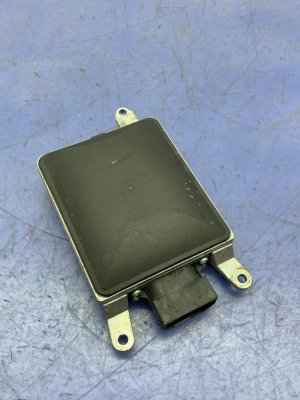
- Inspect the Housing: Carefully examine the black plastic casing for any cracks, no matter how small. A cracked housing is how water gets in. Check that all mounting tabs are intact.
- Check the Connector: Look inside the electrical connector port. The pins should be straight and clean. Any sign of green or white crusty residue is a deal-breaker, as it indicates terminal water damage.
- Ask About the Source Vehicle: If possible, find out if the donor car had a front or side impact. A sensor from a car with a clean rear end is always a safer bet than one from a rear-end collision.
Warning: This part is NOT plug-and-play. It requires special programming and calibration after installation. Do not purchase a used sensor assuming you can simply install it and have it work.
Replacement and Calibration Guide
Physically replacing the sensor is manageable for a DIYer, but completing the job requires professional tools. The process involves removing the rear bumper, swapping the module, and then having it professionally programmed and calibrated.
1. Bumper Removal
This is the most labor-intensive step. You will need to remove screws in the rear wheel wells, fasteners underneath the car, and bolts inside the trunk area to release the bumper cover. The exact procedure varies slightly between the A4/S4 sedans, A5/S5 coupes, and Q5/SQ5 SUVs, but the principle is the same.
2. Sensor Replacement
Once the bumper cover is off, you will see the radar modules bolted to brackets in each corner. Simply unplug the electrical connector and remove the bolts holding the old sensor. Install the new sensor, ensuring it is seated correctly on its bracket.
🎬 Watch: Audi Side Assist sensor replacement walkthrough3. Component Protection Removal (Professional Step)
Audi vehicles use an anti-theft system called Component Protection (CP). When you install a used module, the car recognizes it's from a different vehicle and puts it in a locked state. The Side Assist system will not function until this lock is removed. This procedure can only be done by an Audi dealer or a specialized independent shop with an online subscription to Audi's factory tools (ODIS). A VCDS tool cannot remove Component Protection.
4. ADAS Calibration (Professional Step)
After Component Protection is removed, the sensor must be calibrated. This process aligns the radar, telling it exactly where it is positioned on the car so it can accurately detect other vehicles. This requires special calibration boards and diagnostic software. Driving without proper calibration can lead to the system not working or, worse, giving inaccurate warnings. This step is mandatory for the system to function correctly and safely.
Cost to Replace an Audi Side Assist Sensor
Costs can vary significantly based on whether you perform the physical labor yourself and the price of the part.
| Item | Estimated Cost |
|---|---|
| New OEM Sensor | $950 - $1,350 |
| New Aftermarket Sensor | $250 - $500 (Limited availability and not recommended) |
| Used OEM Sensor | $75 - $300 |
| Shop Labor (Installation Only) | $200 - $350 |
| Shop Labor (Component Protection & Calibration) | $250 - $450 |
| Total Dealer Repair | $1,200 - $1,800+ |
| Total DIY Install + Pro Calibration | $325 - $750 |
Frequently Asked Questions (FAQ)
What is Component Protection?
Component Protection (CP) is an anti-theft feature on Audi vehicles that links electronic modules to the car's original VIN. If you install a part from another car, CP activates and disables its core functions until an authorized dealer or specialist with online access removes the lock.
Can I replace the sensor myself and drive to the dealer for calibration?
Yes. This is the most cost-effective approach. You can do the physical installation of the sensor yourself to save on labor costs. The Side Assist system will remain inoperative with a fault on the dash until you have a professional perform the Component Protection removal and calibration.
Do I have to replace both sensors if only one has failed?
No, you only need to replace the specific sensor that has failed. A diagnostic scan will generate a fault code pointing to either the master (right/passenger side) or slave (left/driver side) module, so you can identify which one needs replacement.
Why does my dash say 'Sensors Blocked' when the bumper is perfectly clean?
This is a common symptom of an internal sensor failure. The module performs a self-check, and when it detects an internal problem, it may report a generic 'blocked' error because it cannot function correctly. It can also be caused by a sensor that has been knocked out of alignment from a minor impact.
Helpful Videos
Technical Specifications
OEM Part Numbers: 8T0907566B 8T0907568B 8T0907566A 8T0907568A 8T0907566 8T0907568
24GHz Radar Frequency
We Have This Part in Stock





The information in this article is provided for general reference and educational purposes only. Vehicle specifications, procedures, and part compatibility can vary by production date, trim level, and region. Always consult your vehicle's factory service manual and verify part numbers before purchasing or performing repairs. Safety-critical components such as airbags, seat belts, and braking systems should be installed by a qualified professional.
- Audi S5:
- Audi S4:
- Audi A5:
- Audi Q5:
- Audi A4:
- Audi SQ5:
- 🎬 Helpful Videos
- 🛍️ Shop This Part
- Symptoms of a Failing Side Assist Sensor
- Known Issues, TSBs, and Recalls
- Common Causes of Failure
- Technical Service Bulletins (TSBs)
- Recalls
- Buying a Used Collision Avoidance Sensor
- Replacement and Calibration Guide
- 1. Bumper Removal
- 2. Sensor Replacement
- 3. Component Protection Removal (Professional Step)
- 4. ADAS Calibration (Professional Step)
- Cost to Replace an Audi Side Assist Sensor
- Frequently Asked Questions (FAQ)
- 🎟️ Get 5% Off