

2016-2024 Audi & Bentley Side Assist Failure: Your Guide to the 4M0907590B Rear Radar Sensor
Diagnosing and replacing the rear blind spot radar sensor in your Audi A4, A5, Q5, Q7, S4, S5, or Bentley Bentayga, including the critical calibration steps most guides miss.
- This is NOT a DIY-friendly repair. While physical installation is possible, the sensor requires mandatory professional calibration and 'Component Protection' removal by a dealer or specialist with factory tools (ODIS).
- The most common cause of failure is water intrusion leading to corrosion. When buying a used part, carefully inspect the electrical connector pins for any signs of corrosion.
- A "System fault" message indicates a hard failure, while a temporary "Sensors blocked" message can be caused by dirt and is often not a sign of a broken part.
- When purchasing a used sensor, you must factor the high cost of professional programming and calibration into the total repair cost.
Vehicles Covered
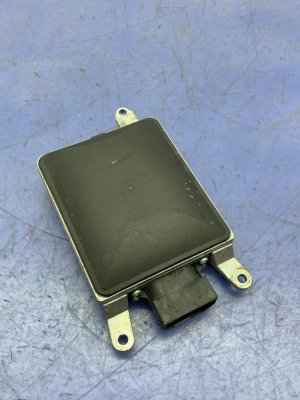
This guide applies to the left (driver's side) rear collision avoidance sensor, part number 4M0907590B, found on the following vehicles built on the VW Group MLBevo platform:
- 2017-2024 Audi A4
- 2017-2024 Audi A5
- 2017-2024 Audi Q5
- 2017-2024 Audi Q7
- 2017-2024 Audi S4
- 2017-2024 Audi S5
- 2016-2020 Bentley Bentayga
Common Symptoms of a Failing Rear Radar Sensor
When the 4M0907590B sensor fails, your vehicle will provide clear warnings on the instrument cluster and MMI screen. You will not be able to use the associated safety systems.
- "Audi side assist: System fault" Message: This is the most common and definitive sign of a permanent hardware or communication failure. A similar message, "Audi side assist and exit warning: malfunction!" may also appear.
- Inoperative Mirror Warning Lights: The amber lights in your side view mirrors will stop working. They will not illuminate when a car is in your blind spot, and they will not perform their initial flash when you start the car.
- System Unavailable in MMI: When you navigate to the driver assistance menu in your car's MMI (Multi Media Interface), the option for Side Assist will be grayed out or display a message like "The selected system is currently not available."
- Intermittent Faults: Before complete failure, the system might work sporadically. It may fail during heavy rain or after a car wash, which often points to the beginning of water intrusion into the sensor's housing or connector.
Pro Tip: Don't confuse a "System fault" with a "Sensors blocked" message. A "Sensors blocked" warning can appear temporarily due to dirt, snow, or even heavy stop-and-go traffic. This is often normal behavior and may clear after cleaning the bumper or restarting the car. A "System fault" indicates a persistent problem that requires diagnosis and repair.
Known Issues and Causes of Failure
The sensor's location behind the rear bumper corners makes it vulnerable to specific types of damage.
- Water Intrusion: This is the number one cause of failure. Over time, moisture from rain, snow, and high-pressure car washes can seep into the sensor's casing or electrical connector. This leads to corrosion on the delicate circuit board or connector pins, causing a short circuit.
- Physical Damage: Even a minor impact to the rear bumper can be enough to crack the sensor's plastic housing or break its mounting bracket. This damage might not be visible on the outside of the bumper cover itself. Once the housing is cracked, water intrusion is inevitable.
- Wiring Harness Issues: Road debris and salt can get kicked up into the bumper and damage the wiring harness or connector leading to the sensor.
Buying a Used Collision Avoidance Sensor
A used OEM sensor is an excellent, cost-effective alternative to an expensive new part, especially since reliable aftermarket versions for this specific component are not common. However, you must inspect the part carefully and understand the full scope of the replacement job.
- Verify the Part Number: Make sure the part number is an exact match: 4M0907590B. While other sensors look similar, they are not interchangeable. This part number is for the left (driver's) side.
- Inspect the Connector: This is the most critical inspection point. Look closely at the electrical connector pins. Avoid any sensor that shows signs of green or white powder-like corrosion, as this indicates water damage that has likely destroyed the internal electronics.
- Check for Physical Damage: Examine the black plastic housing for any cracks, deep scuffs, or broken mounting tabs. A compromised housing will lead to water damage and premature failure.
- Budget for Calibration: A used sensor is not a plug-and-play part. You MUST budget for professional calibration and programming, which can cost several hundred dollars. Do not purchase a used sensor without being prepared for this essential and costly final step.
- Buy from a Reputable Source: Purchase from a seller that offers a warranty. This gives you protection in case the part is dead on arrival, which is impossible to know until it has been professionally installed and an adaptation attempt has been made.
Replacement and Calibration Procedure
Warning: This is not a complete DIY repair. While a skilled home mechanic can physically swap the sensor, the final, mandatory steps of Component Protection removal and calibration require specialized, expensive equipment and online access to Audi servers that only dealerships and some high-end independent specialists have.
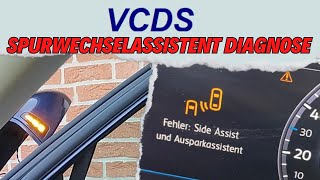
- Diagnose the Fault: Before buying parts, confirm which sensor has failed. A VAG-specific diagnostic tool (like VCDS or OBDeleven) is needed to scan the Lane Change Assistance module (address 3C). A generic code reader cannot do this. The scan will typically show a fault code for the left sensor (often referred to as Slave or Sensor 2) indicating no communication or an internal error. 🎬 Watch: How to diagnose Side Assist faults using VCDS
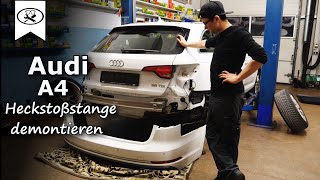
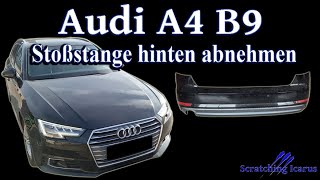
- Remove the Rear Bumper: Accessing the sensor requires removing the rear bumper cover. This involves removing screws in the wheel wells, under the car, and behind the tail lights. 🎬 See this step-by-step Audi rear bumper removal guide
- Swap the Sensor: The sensor is typically held in a bracket with a few small bolts. Unplug the electrical connector and swap the old sensor with the new one.
- Reinstall the Bumper: Reassemble the bumper cover, ensuring all clips and screws are secure.
- Professional Programming & Calibration: This is the final, critical step. The vehicle must be taken to an Audi dealer or a qualified European auto specialist. They will perform two tasks:
- Component Protection Removal: The shop will use their diagnostic tool (ODIS) to connect to Audi's servers and adapt the used sensor to your car's VIN. Without this, the sensor will not communicate with the car.
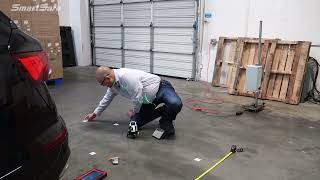
- Radar Calibration: Using a special calibration rig and alignment tools, the technician will precisely aim the sensor. This ensures it is reading the road correctly. If this step is skipped, you will continue to get a system fault error. 🎬 Watch: How professional blind spot radar calibration is performed
Cost Comparison
The biggest cost of this repair is often the labor for programming and calibration, which is required whether you use a new or used part.
| Part Type | Estimated Cost |
|---|---|
| New OEM Sensor | $1,000 - $1,500 |
| Used OEM Sensor | $85 - $250 |
| New Aftermarket Sensor | Not generally available or recommended |
| Shop Labor (Installation, Programming & Calibration) | $450 - $900+ |
Frequently Asked Questions (FAQ)
Why is my "Side Assist Fault" warning still on after I replaced the sensor?
The most likely reason is that the sensor was not calibrated and the Component Protection was not removed. These are mandatory steps that require special tools and software. The system will remain faulted until it is professionally programmed and aimed. It is also possible the used part you installed was faulty.
Can I just clean the sensor to fix the fault?
If you have a temporary "Sensors blocked" message, cleaning the outside of the bumper often works. However, if you have a permanent "System fault" message, the problem is almost always internal corrosion or damage. Cleaning the outside will not fix an internal electronic failure.
Does a wheel alignment also calibrate the blind spot sensors?
No. A standard wheel alignment adjusts your suspension and tire angles. The blind spot radar system requires a completely separate and specific calibration procedure using a special radar alignment rig.
Is it safe to drive with a Side Assist fault?
Yes, the vehicle is safe to drive, but the blind spot monitoring, rear cross-traffic alert, and exit warning systems will be completely disabled. You must rely on your mirrors and physically checking your blind spots before changing lanes or reversing.
Helpful Videos
Technical Specifications
OEM Part Numbers: 4M0907590B
Function: Left Rear Blind Spot Radar Sensor (Audi Side Assist), Technology: 77GHz Radar
We Have This Part in Stock



The information in this article is provided for general reference and educational purposes only. Vehicle specifications, procedures, and part compatibility can vary by production date, trim level, and region. Always consult your vehicle's factory service manual and verify part numbers before purchasing or performing repairs. Safety-critical components such as airbags, seat belts, and braking systems should be installed by a qualified professional.
- Audi A4:
- Audi A5:
- Audi Q5:
- Audi Q7:
- Audi S4:
- Audi S5:
- Bentley Bentayga: