

2021-2025 Enclave, XT4, XT6 Collision Camera: Failures, Part Numbers, and Calibration Explained
Understand the common failures, costs, and mandatory calibration requirements for the forward collision avoidance camera in your Buick Enclave, Cadillac XT4, or Cadillac XT6.
- Professional calibration is mandatory after replacement; this is not a DIY job. The cost of calibration ($250-$600) often exceeds the cost of the part.
- Before replacing the camera, thoroughly clean the windshield glass in front of it, as dirt or film is a common cause of error messages per GM TSBs.
- A used OEM camera is a viable option, but you must verify the part number is an exact match and inspect the lens for any scratches or damage.
- Driving with a failed camera is possible, but critical safety features like Automatic Emergency Braking and Forward Collision Warning will be disabled.
Common Symptoms of a Failing Collision Avoidance Camera

When the forward-facing camera begins to fail, you will typically receive a clear message on your driver information center (DIC). The vehicle's self-diagnostic systems will disable related safety features and alert you to the problem.
- "Service Front Camera" or "Service Safety Systems" Message: This is the most common indicator. The message may appear intermittently at first and then become permanent.
- Disabled Safety Features: Forward Collision Alert, Automatic Emergency Braking (AEB), Lane Keep Assist, and Adaptive Cruise Control will become unavailable. An icon for the disabled system may remain illuminated on the dash.
- False or Erratic Alerts: The system may give collision warnings when no obstacle is present or fail to alert when one is. This can be distracting and dangerous.
- Automatic High Beams Inoperative: The camera is also used to detect oncoming headlights, so a camera fault will often cause the automatic high beams to stop working.
- Diagnostic Trouble Code (DTC): A professional scan tool will likely find code U3000 stored in the Front View Camera Module (FVCM).
Pro Tip: Before assuming the camera has failed, thoroughly clean the inside and outside of the windshield in front of the camera. A surprising number of issues are caused by a film of dirt, dust, or residue on the glass that obstructs the camera's view. GM has issued technical service bulletins (TSB PIT6473B) specifically addressing this issue.
Known Issues, Recalls, and Technical Service Bulletins (TSBs)

While no recalls specifically target the front camera on these exact models, several GM service bulletins address related issues that owners should be aware of.
- TSB PIT6473B / 23-NA-170: Affects a wide range of GM vehicles. Addresses "Service Front Camera" messages caused by a film or residue on the inside of the windshield. The fix is a specific cleaning procedure. It also notes that incorrect software calibrations were released for some 2022 models, which could cause these errors and could not be fixed by camera replacement.
- TSB 23-NA-204: For some 2024 models (not the ones in this guide, but relevant), this TSB points to a loose data terminal in the camera's electrical connector causing intermittent "Service Front Camera" messages. This highlights the importance of checking electrical connections during diagnosis.
- TSB 22-NA-126: For some Cadillac and other GM models, this bulletin notes that the AEB warning light may illuminate if the user has changed the collision system settings to "Alert" only, instead of "Alert and Brake." This is considered normal operation to inform the driver of reduced functionality.
- 2021 Buick Enclave Recalls: The 2021 Enclave has two unrelated recalls for airbag issues (N212340220 and N212352140). There are no recalls for the collision avoidance system.
- Cadillac XT4/XT6 Recalls: The XT4 and XT6 have a few recalls, but none are related to the forward collision camera system.
Buying a Used Collision Avoidance Camera: What to Check

A used OEM camera can be a cost-effective alternative to a new part, but careful inspection is crucial. Since this is a sensitive electronic and optical component, you must verify its condition before purchase.
- Verify the Part Number: This is the most critical step. Part numbers for these cameras are very specific. Using the wrong one can result in incompatibility. Always match the number from your original camera to the replacement. See the compatible part numbers section below.
- Inspect the Lens: The camera lens must be perfectly clear. Look for any scratches, chips, hazing, or signs of internal moisture. Any physical damage to the lens will prevent the camera from functioning and calibrating correctly.
- Check the Housing and Connectors: Inspect the plastic housing for cracks or damage. Ensure the electrical connector pins are straight, clean, and free of any corrosion. A damaged connector can cause intermittent issues.
- Ask About the Donor Vehicle: Avoid cameras from vehicles that have been in a major front-end collision or a flood. While the camera itself may look fine, internal damage is possible.
- Factor in Calibration Costs: Remember that even a perfectly good used camera will require professional calibration after installation. This cost must be added to the price of the part to understand the total repair cost.
Replacement and Calibration: Why This is Not a DIY Job

While physically swapping the camera is relatively simple, the mandatory calibration process requires specialized equipment and software, making this a job for a professional technician or a dedicated ADAS calibration center.
Physical Installation
The camera is located in a plastic housing attached to the windshield, near the rearview mirror. Replacement typically involves carefully removing the plastic covers and disconnecting the electrical harness. The camera itself then unclips from its mounting bracket. The physical labor is minimal, often taking less than an hour.
Mandatory System Calibration
Calibration is the process of precisely aligning the camera's software with its physical position and the vehicle's geometry. This ensures the camera accurately sees lane markings, other cars, and pedestrians. Without calibration, the safety systems will not work.
- Static vs. Dynamic Calibration: GM vehicles often use a dynamic calibration process. 🎬 Watch: See a dynamic camera calibration in action This involves putting the vehicle's computer into a "learn mode" with a diagnostic tool and then driving the vehicle under specific conditions (e.g., on a straight road with clear lane markings at a certain speed) until the system learns its position. Some systems may also require a static calibration, which uses a specialized target board placed a precise distance in front of the vehicle in a controlled shop environment.
- Special Tools Required: A GM-compatible diagnostic scan tool (like a GDS2) is required to initiate the learn procedure.
- Why it's Mandatory: Any time the camera is replaced or even removed and reinstalled, its alignment changes slightly. Even a tiny change can cause the system to misjudge distances or lane positions, potentially causing an accident or disabling the safety features.
Warning: Do not attempt to drive the vehicle long-term without calibrating the camera. The Forward Collision Warning and Automatic Emergency Braking systems will be inoperative, increasing your risk of a collision.
Cost Comparison: New vs. Used
The biggest cost in this repair is often the calibration, not just the part itself. Be sure to get a quote for both the part and the calibration labor before starting the repair.
| Part or Service | Estimated Cost |
|---|---|
| New OEM Camera | $250 - $450 |
| New Aftermarket Camera | Not commonly available |
| Used OEM Camera | $75 - $200 |
| Shop Labor (Installation) | $100 - $150 |
| Shop Labor (Calibration) | $250 - $600 |
Compatible Part Numbers
These part numbers are known to be associated with the forward collision camera on these vehicles. However, GM frequently updates and supersedes part numbers. Always verify the number on your specific part before ordering a replacement.
- 84504744
- 84633901
- 84653889
- 84653892
- 84776501 (Replaced by 85636127)
- 85636127
Frequently Asked Questions (FAQ)
Can I still drive my car if the collision camera has failed?
Yes, but with significant limitations. The vehicle will drive normally, but critical safety features like Forward Collision Warning and Automatic Emergency Braking will be disabled. We do not recommend driving the vehicle before recalibration is complete, as the safety systems may behave unpredictably.
Why does a used camera need to be calibrated?
Calibration aligns the camera to the specific vehicle it is installed in. Every car has tiny differences in ride height and alignment. Calibration ensures the camera's view is perfectly aligned with the road for that specific car, which is essential for the safety systems to work correctly.
Will my insurance cover the cost of calibration?
Often, yes. If the camera replacement is part of a covered repair, such as after a collision or a windshield replacement, most comprehensive insurance policies will cover the cost of the required calibration.
Can a windshield replacement cause camera problems?
Yes. The camera is mounted to the windshield. After a windshield is replaced, the camera's position is slightly altered. All major automakers require the camera to be recalibrated after a windshield replacement to ensure the ADAS systems function correctly.
Helpful Videos
Technical Specifications
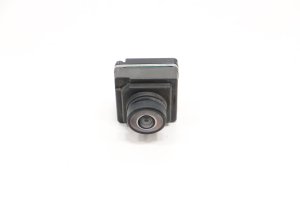
OEM Part Numbers: 84504744 84633901 84653889 84653892 84776501 85636127
This camera is for vehicles equipped with the Forward Collision Warning and Automatic Braking system (option code UGN).
We Have This Part in Stock





The information in this article is provided for general reference and educational purposes only. Vehicle specifications, procedures, and part compatibility can vary by production date, trim level, and region. Always consult your vehicle's factory service manual and verify part numbers before purchasing or performing repairs. Safety-critical components such as airbags, seat belts, and braking systems should be installed by a qualified professional.
- Buick Enclave:
- Cadillac XT4:
- Cadillac XT6:
- 🎬 Helpful Videos
- 🛍️ Shop This Part
- Common Symptoms of a Failing Collision Avoidance Camera
- Known Issues, Recalls, and Technical Service Bulletins (TSBs)
- Buying a Used Collision Avoidance Camera: What to Check
- Replacement and Calibration: Why This is Not a DIY Job
- Physical Installation
- Mandatory System Calibration
- Cost Comparison: New vs. Used
- Compatible Part Numbers
- Frequently Asked Questions (FAQ)
- 🎟️ Get 5% Off