

1999-2003 Lexus RX300 Coil Springs: Curing Sag and Restoring Ride Height
This guide covers diagnosing failed or sagging coil springs on your AWD RX300 and how to choose a quality used replacement.
- These coil springs are for 1999-2003 Lexus RX300 All-Wheel Drive (AWD) models ONLY.
- The most common failure symptom is sagging or a lower-than-normal ride height, especially in the rear.
- Always replace coil springs in pairs on the same axle to ensure even ride height and safe handling.
- Replacement is difficult and dangerous due to the need for a spring compressor; professional installation is highly recommended.
Symptoms of a Failing Coil Spring
Coil springs are built to be durable, but they can wear out, sag, or even break over time, especially from rust or carrying heavy loads. When a coil spring fails on your RX300, you'll notice some distinct problems.
Vehicle Sagging or Leaning
The most common symptom is a noticeable drop in ride height. You may see one corner of the vehicle sitting lower than the others, or the entire rear end may appear to sag. This is a classic sign that the springs have lost their ability to support the vehicle's weight.
Clunking or Rattling Noises
If a spring has physically cracked or broken, you will likely hear a loud clunking or rattling sound, especially when driving over bumps or uneven roads. This noise is the broken piece of the spring moving around or hitting other suspension parts.
Poor Handling and Bouncing
Worn springs can't control the vehicle's body movements effectively. You might feel the car bouncing excessively after hitting a bump, or swaying more than usual around corners. This can make the vehicle feel unstable and less safe to drive, particularly at higher speeds.
Uneven Tire Wear
When coil springs sag, they change the vehicle's suspension geometry. This throws off the wheel alignment, which can cause tires to wear down unevenly on the inside or outside edges. If you notice this pattern of tire wear, it's a strong indicator of a suspension problem.
Buying a Used 1999-2003 RX300 Coil Spring
Choosing a good quality used OEM (Original Equipment Manufacturer) coil spring can be a smart way to save money, often providing better quality than a cheap new aftermarket part. Here’s what to look for.
Warning: These coil springs are for All-Wheel Drive (AWD) models only. They will not fit Front-Wheel Drive (FWD) vehicles.
Physical Inspection Checklist:
- Check for Cracks: Carefully inspect the entire spring, paying close attention to the very top and bottom coils where they sit in the strut perch. This is where cracks most often form.
- Look for Corrosion: Surface rust is normal on a used part, but avoid any spring with deep, flaky rust or pitting. Heavy corrosion weakens the metal and can lead to breakage.
- Measure the Free Height: When buying a single spring, compare its uncompressed height to your existing good spring. If they don't match, it will result in an uneven ride height.
- Buy in Pairs: The best practice is to buy a matching pair of front or rear springs from the same donor vehicle. This ensures they have experienced similar wear and will provide a balanced ride height and performance.
Pro Tip: When possible, purchase a complete used strut assembly. This gives you the spring, strut, and mount all in one unit, which can be easier to install than swapping the spring onto your old strut.
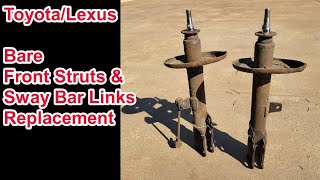
🎬 Watch: Step-by-step front strut and spring replacement guideKnown Issues, Recalls, and TSBs
For the 1999-2003 Lexus RX300, there have been no specific recalls issued by the National Highway Traffic Safety Administration (NHTSA) for coil spring failure. Failures are generally considered a result of age, mileage, and wear. The existence of several OEM part numbers for the rear springs (e.g., 48231-48010, 48231-48020, 48231-48080, 48231-48081) suggests that Lexus made revisions over the years, possibly to address sagging or improve durability. For example, part number 48231-48081 replaces 48231-48080. There are no widespread Technical Service Bulletins (TSBs) related to coil spring failure on this model.
Cost Comparison
Replacing coil springs involves both parts and significant labor. Prices can vary based on your location and the shop.
| Part/Service | Estimated Cost |
|---|---|
| New OEM Coil Spring (Single) | $215 - $320 |
| New Aftermarket Coil Spring (Single) | $50 - $100 |
| Used OEM Coil Spring (Single) | $35 - $75 |
| New Aftermarket Strut Assembly (with spring) | $130 - $190 |
| Shop Labor (per axle) | $403 - $591 |
Replacement Difficulty & Labor
Replacing coil springs is a difficult and potentially dangerous job for a DIY mechanic. It requires a special tool called a spring compressor to safely handle the immense stored energy in the spring. Incorrectly using this tool can lead to serious injury.
- Difficulty Rating: 4 out of 5
- DIY Feasible: Yes, but only for experienced mechanics with the proper tools and safety knowledge. For most people, professional installation is strongly recommended.
- Estimated Time: 2-3 hours per side for a professional.
Warning: After replacing coil springs, you must get a professional wheel alignment. Failure to do so will result in poor handling and rapid tire wear.
Frequently Asked Questions
Do I have to replace coil springs in pairs?
Yes, you must always replace coil springs in pairs on the same axle (both fronts or both rears). Replacing only one can create an unbalanced ride height, leading to unpredictable handling, alignment problems, and potential safety hazards.
Can I use springs from a Toyota Highlander?
While the 1999-2003 Lexus RX300 shares its platform with the 2001-2003 Toyota Highlander, and some suspension parts are interchangeable, spring rates may differ. It is always best to use a spring specifically listed for the RX300 AWD to ensure correct ride height and handling characteristics.
What's the difference between a bare spring and a complete strut assembly?
A bare spring is just the coil itself. A complete or "quick" strut assembly includes the spring pre-installed on a new strut, along with a new mount. While more expensive, complete assemblies are much safer and easier to install because you don't need to use a spring compressor.
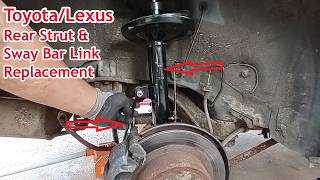
🎬 See how to replace the rear strut assemblyWill these springs fit my FWD RX300?
No. The part numbers listed and the common replacements are specified for All-Wheel Drive (AWD) models. The weight and suspension setup of FWD models are different, and these springs will not provide the correct performance or fitment.
Helpful Videos
Technical Specifications
OEM Part Numbers: 48231-48010 48231-48020 48231-48080 48231-48081 48131-48020 48131-48021 48131-48040 48131-48110 48131-48111 48131-48100 48131-48101 48231-48011
Fitment is for All-Wheel Drive (AWD) models only. Part numbers vary for front and rear positions. There are multiple revised part numbers, indicating updates over the vehicle's production run.
We Have This Part in Stock

The information in this article is provided for general reference and educational purposes only. Vehicle specifications, procedures, and part compatibility can vary by production date, trim level, and region. Always consult your vehicle's factory service manual and verify part numbers before purchasing or performing repairs. Safety-critical components such as airbags, seat belts, and braking systems should be installed by a qualified professional.
- Lexus RX300:
- 🎬 Helpful Videos
- 🛍️ Shop This Part
- Symptoms of a Failing Coil Spring
- Vehicle Sagging or Leaning
- Clunking or Rattling Noises
- Poor Handling and Bouncing
- Uneven Tire Wear
- Buying a Used 1999-2003 RX300 Coil Spring
- Physical Inspection Checklist:
- Known Issues, Recalls, and TSBs
- Cost Comparison
- Replacement Difficulty & Labor
- Frequently Asked Questions
- 🎟️ Get 5% Off