

2002-2005 Kia Sedona Coil Springs: Fixing Sag, Noise, and Breakage
This guide covers diagnosing bad coil springs on your first-generation Kia Sedona and what to look for when buying a used replacement.
- The most common failure symptoms are vehicle sagging, clunking noises over bumps, and a harsh ride.
- There is no specific recall for coil spring corrosion on 2002-2005 models, but these parts are prone to rust failure in salt-belt states.
- Replacing front springs is dangerous for DIY and requires replacing the entire strut assembly; rear springs are a more feasible DIY project for experienced mechanics.
- Always replace coil springs in pairs on the same axle to ensure balanced ride height and safe handling.
Symptoms of Failing Coil Springs
A bad coil spring can cause a range of problems, from annoying noises to serious safety concerns. Here are the most common signs that your 2002-2005 Kia Sedona may need new springs.
1. Vehicle Sagging or Uneven Ride Height
This is the most obvious symptom. When a coil spring weakens or breaks, it can no longer support the vehicle's weight effectively. You may notice one corner of the van sitting lower than the others, or the entire front or rear end appearing to sag. This might be subtle at first, but you can confirm it by parking on level ground and comparing the gap between the top of the tires and the wheel arches on each side.
2. Loud Clunking or Popping Noises
If a spring has broken, the loose piece can rattle around in the suspension assembly. This often results in a loud 'clunk' or 'bang' when going over bumps, potholes, or even just turning the steering wheel. Squeaking and creaking sounds can also indicate a worn-out spring or its rubber insulators.
3. Harsh or Bouncy Ride
Worn springs lose their ability to properly absorb road imperfections. This can lead to an overly bouncy ride, where the vehicle continues to oscillate up and down after hitting a bump. Conversely, if a spring has collapsed, it can cause the suspension to 'bottom out', creating a harsh, jarring impact as suspension components hit their limits.
4. Uneven Tire Wear
Failed coil springs directly affect the vehicle's suspension geometry and alignment. A sagging corner puts incorrect angles on the tire, often causing accelerated wear on the inner or outer edges. If you notice unusual tire wear patterns, a bad spring could be the root cause.
Pro Tip: A Technical Service Bulletin (TSB #KT2007020501) was issued for 2002-2005 Sedonas regarding front suspension noise over rough roads at low speeds (18-31 MPH). While this TSB addresses the strut mount and not the spring itself, the symptoms are similar. If you're diagnosing a noise, inspect the entire strut assembly, including the upper mount, spring, and spring insulators.
Known Issues, TSBs, and Recalls
While there are no formal NHTSA safety recalls specifically for broken coil springs on the 2002-2005 Kia Sedona, suspension corrosion has been a known issue on Kia vehicles of this era, especially in regions that use road salt in the winter.
The next generation of Sedona (2006-2012) was recalled for front lower control arms that could rust and break. This highlights a general susceptibility to corrosion on underbody components. Owners of 2002-2005 models in the 'Salt Belt' should pay close attention to the condition of their coil springs, as heavy rust can lead to cracking and failure.
Buying a Used 2002-2005 Sedona Coil Spring
A used OEM coil spring can be a great value, offering original factory quality and spring rates at a lower cost than new parts. However, careful inspection is key to getting a good part.
What to Check Before You Buy
- Visual Inspection for Cracks: This is the most critical check. Carefully inspect the entire length of the spring, paying special attention to the very top and bottom coils where they sit in the mount. This is where breaks most often occur. Look for any fractures, from hairline cracks to a completely snapped-off end.
- Check for Heavy Rust and Pitting: Surface rust is normal, but you should reject any spring with deep, flaky rust or pitting. This type of corrosion weakens the steel and makes the spring brittle and prone to breaking.
- Look for Bends or Distortion: The coils should be uniform and evenly spaced. Any signs that the spring has been bent, overheated (discoloration), or compressed with improper tools are red flags.
- Confirm Side and Position: Front and rear springs are not interchangeable. They have different heights, diameters, and spring rates (stiffness). Ensure you are buying the correct spring for the specific corner of the vehicle you are repairing.
- Buy in Pairs: It is highly recommended to replace coil springs in pairs (both fronts or both rears) to ensure even ride height and predictable handling. A new or good used spring will likely sit higher than the old, worn-out spring on the opposite side.
Warning: The original rear coil spring for this Sedona, part number 0K52Y28010A, has been discontinued by Kia. This makes finding a quality used OEM part an even more practical option compared to searching for scarce new old stock.
Replacement Difficulty & Labor Costs
The difficulty of replacing a coil spring on a 2002-2005 Sedona depends entirely on whether you are working on the front or the rear.
Front Coil Springs
- Difficulty: 5/5 (Professional Recommended)
- DIY Feasible: No
- Reasoning: The front springs are part of the MacPherson strut assembly. To replace only the spring, the entire strut must be removed from the vehicle, and a special tool called a spring compressor must be used to safely remove the old spring and install the new one. These compressors are under extreme tension and can cause serious injury or death if they slip or are used improperly. The safer and more common repair is to replace the entire strut assembly (strut, spring, and mount) as a single unit.
Rear Coil Springs
- Difficulty: 3/5 (Moderate)
- DIY Feasible: Yes, for experienced mechanics.
- Reasoning: The rear springs are separate from the shock absorbers. The replacement process involves jacking up the vehicle, supporting the rear suspension, removing the lower shock bolt, and lowering the control arm until the spring can be removed. While it doesn't require a dangerous spring compressor, it still involves working under a heavy vehicle and manipulating suspension components. One DIYer reported replacing both rear springs on a similar minivan in about 1.5 hours.
Cost Comparison (2002-2005 Kia Sedona)
Prices can vary by location and supplier. These estimates are for a single coil spring or assembly.
| Part / Service | Estimated Cost (per side) | Notes |
|---|---|---|
| New OEM (Kia) | $120 - $170 | Front springs are available; rear springs are largely discontinued. |
| New Aftermarket (Front Assembly) | $125 - $210 | Complete assembly with strut, spring, and mount. This is the recommended method for front replacement. |
| New Aftermarket (Rear Spring) | $40 - $80 | Based on pricing for similar vehicles and available parts. |
| Used OEM | $30 - $75 | A good value, especially for discontinued rear springs, but requires careful inspection. |
| Shop Labor (Front) | $200 - $350 | Labor to replace one complete strut assembly. An alignment ($80-$200) is highly recommended afterward. |
| Shop Labor (Rear) | $100 - $175 | Labor to replace one rear spring. Typically a 1-1.5 hour job. |
Frequently Asked Questions (FAQ)
Do I have to replace my coil springs in pairs?
Yes, it is always recommended to replace coil springs in pairs on the same axle (both front or both rear). Springs wear out and sag over time. Replacing only one will result in an uneven ride height, which can negatively affect handling, stability, and tire wear.
Can I drive with a broken coil spring?
It is not recommended and can be illegal if the vehicle is deemed unsafe. A broken spring compromises handling and stability, increases braking distance, and can cause the broken piece to contact and puncture the tire, potentially leading to a loss of control. You should have the vehicle repaired as soon as possible.
Will I need a wheel alignment after replacing the springs?
Yes, an alignment is highly recommended, especially after replacing front springs. Changing the springs alters the vehicle's ride height, which directly affects camber, caster, and toe angles. A proper alignment is necessary to ensure correct handling and prevent premature tire wear.
What's the difference between a spring and a strut?
They are two different parts that work together. The coil spring is a large metal coil that supports the vehicle's weight. The strut (or shock absorber) is a hydraulic damper that controls the bouncing motion of the spring. On the front of the Sedona, they are combined into a single 'strut assembly'. In the rear, they are separate components.
Technical Specifications
OEM Part Numbers: 0K52Y28010A 0K52Y28010ADS 0K55228010A k52y28010a 0K52Y34011C 0K52Y34011CDS 0K52Y34011B 0K52Y34011BDS
Front and rear springs have different designs and spring rates. Front springs are part of a MacPherson strut assembly. Rear springs are a separate, non-concentric design.
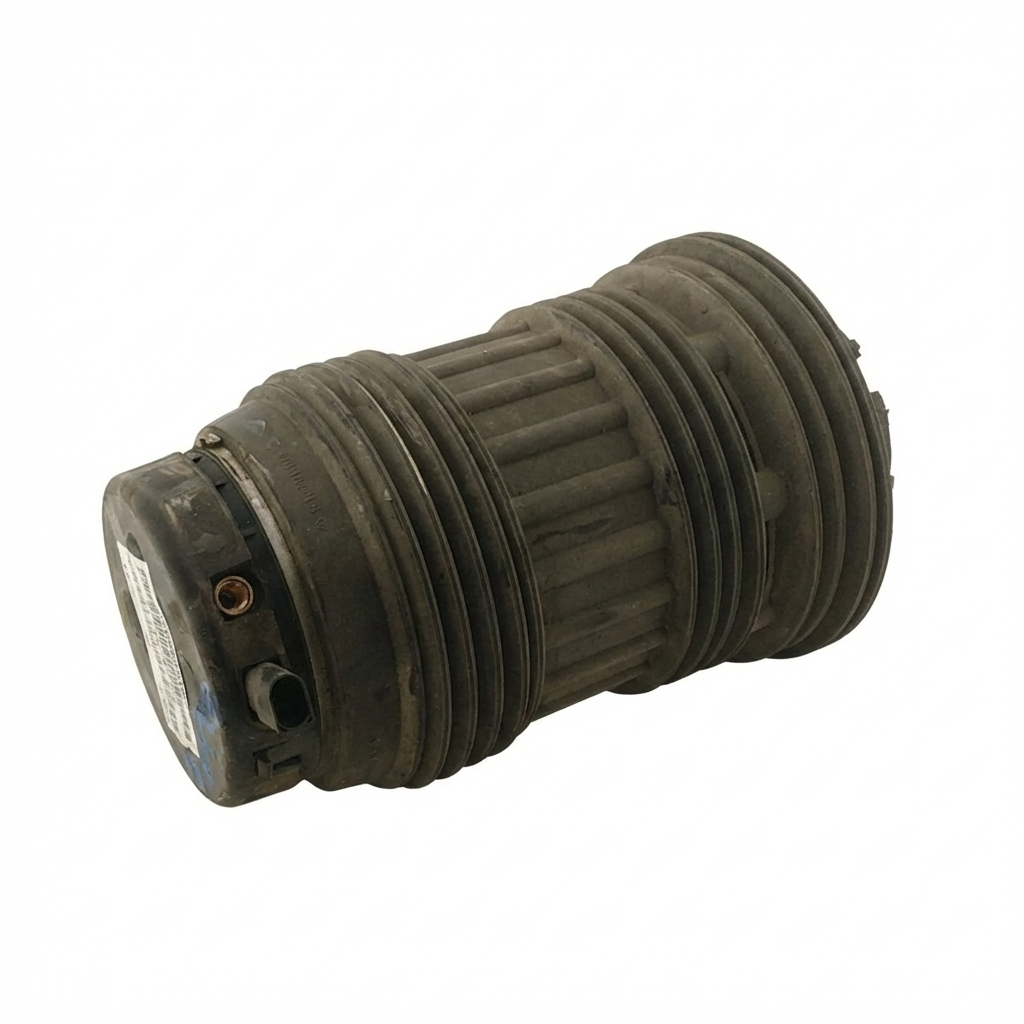
We Have This Part in Stock

The information in this article is provided for general reference and educational purposes only. Vehicle specifications, procedures, and part compatibility can vary by production date, trim level, and region. Always consult your vehicle's factory service manual and verify part numbers before purchasing or performing repairs. Safety-critical components such as airbags, seat belts, and braking systems should be installed by a qualified professional.
- Kia Sedona:
- 🛍️ Shop This Part
- Symptoms of Failing Coil Springs
- 1. Vehicle Sagging or Uneven Ride Height
- 2. Loud Clunking or Popping Noises
- 3. Harsh or Bouncy Ride
- 4. Uneven Tire Wear
- Known Issues, TSBs, and Recalls
- Buying a Used 2002-2005 Sedona Coil Spring
- What to Check Before You Buy
- Replacement Difficulty & Labor Costs
- Front Coil Springs
- Rear Coil Springs
- Cost Comparison (2002-2005 Kia Sedona)
- Frequently Asked Questions (FAQ)
- 🎟️ Get 5% Off