

2004-2008 Chrysler Pacifica Coil Spring: Sagging, Noises, and Compatibility
This guide covers the common failure symptoms of coil springs on the 2004-2008 Pacifica and explains the critical differences between standard and Nivomat self-leveling suspension systems.
- Compatibility is critical: You must know if your Pacifica has standard or Nivomat self-leveling rear suspension, as the springs are not interchangeable.
- Always replace coil springs in pairs on the same axle to maintain correct ride height and safe handling.
- When buying used, inspect carefully for cracks and heavy rust, and prioritize parts from dry, non-salt-belt regions.
- A broken coil spring is a safety hazard that can lead to loss of control or a punctured tire; do not drive on it.
- Front spring replacement requires a dangerous spring compressor tool and is best left to professionals.
Known Issues for 2004-2008 Pacifica Coil Springs
The first-generation Chrysler Pacifica is known for a few key issues related to its coil springs and suspension. The most significant problems are premature failure due to corrosion and confusion regarding different suspension options.
Corrosion and Breakage
Like many vehicles from this era, the Pacifica's coil springs are susceptible to rust, especially in regions that use road salt during the winter. Over time, the protective coating on the spring can crack, allowing moisture to corrode the steel beneath. This corrosion creates weak spots that can lead to the spring cracking or breaking entirely, often with a loud bang. A broken spring is a significant safety hazard.
Suspension Type Confusion: Standard vs. Nivomat
Chrysler offered the Pacifica with two different rear suspension systems: a standard setup and an optional self-leveling system called Nivomat. This is a critical distinction when replacing parts. Nivomat shocks are designed to help support the vehicle's load and use a much softer, lighter coil spring. A standard suspension uses a much stiffer coil spring to support the vehicle's weight on its own. These parts are not interchangeable. Installing a standard, stiff spring with a Nivomat shock, or a soft Nivomat spring with a standard shock, will result in incorrect ride height and dangerous handling.
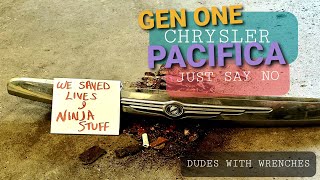
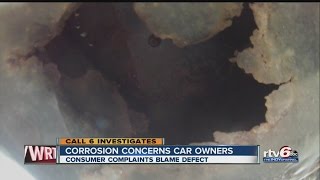
Warning: A major related issue on these vehicles is severe corrosion of the front and rear subframes (also called engine cradles). A rusted subframe can cause clunking noises and handling problems that are easily mistaken for bad struts or springs. Always inspect the subframe thoroughly when diagnosing suspension issues on a 2004-2008 Pacifica.
🎬 Watch: How to inspect a rusted Pacifica subframeSymptoms of a Failing Coil Spring
A failing or broken coil spring can present several obvious symptoms. If you notice any of these, you should have your suspension inspected immediately.
- Vehicle Sagging: The most common sign is a noticeable drop in ride height on one corner of the vehicle. The car will look uneven or slanted when parked on a level surface.
- Clunking or Rattling Noises: A sharp clunking, popping, or rattling sound when driving over bumps or turning is a strong indicator of a broken spring. This is often the sound of the broken piece of the spring moving around in the suspension.
- Bouncy or Unstable Ride: Worn-out springs lose their ability to properly absorb road imperfections, leading to a harsh, bouncy, or floaty feeling. The vehicle may also sway or lean excessively during turns.
- Uneven Tire Wear: Incorrect ride height from a bad spring alters the suspension geometry, causing tires to wear unevenly.
- Visible Damage: A visual inspection may reveal a clear crack in the spring, or heavy flaking rust and pitting that indicates the spring is about to fail.
Buying a Used 2004-2008 Pacifica Coil Spring: What to Check
A high-quality, low-mileage used OEM coil spring can be an excellent value, often providing better fit and performance than a cheap new aftermarket part. However, careful inspection is crucial.
1. Verify Compatibility Above All Else
This is the most important step. You must match the spring to your vehicle's original configuration.
- Front Springs: Front-Wheel Drive (FWD) and All-Wheel Drive (AWD) models may use different springs due to weight differences. Verify the part number from the donor vehicle matches your needs.
- Rear Springs: Determine if your Pacifica has the standard suspension or the self-leveling Nivomat system. Nivomat shocks look much thicker and have a rubber accordion-style boot. You cannot use a standard spring with a Nivomat shock or vice-versa.
- Suspension Codes: Check the service parts identification sticker, usually located in the glove box or on the driver's door jamb, for three-digit suspension codes (e.g., ZAS, ZNS). These codes specify the exact suspension setup your car was built with. Match these codes when possible.
2. Physical Inspection Checklist
- Inspect for Cracks: Carefully examine the entire length of the spring, paying close attention to the top and bottom coils where they sit in the perch. Any visible crack means the part is junk.
- Check for Corrosion: Light surface rust is acceptable, but avoid any spring with deep, flaky, or pitted rust. Run your finger along the coil; if it feels rough or scaly, the spring's integrity may be compromised.
- Look at the Coating: A good used spring should have most of its original protective coating intact. Large areas of missing coating suggest it has been exposed to harsh elements.
- Buy in Pairs: Always purchase and replace coil springs in pairs (both front or both rear). This ensures an even ride height and predictable handling. A used pair from the same vehicle is ideal.
Replacement and Installation
Replacing coil springs is a difficult and potentially dangerous job that requires special tools.
- Difficulty: 4 out of 5.
- DIY Feasible: Not recommended for beginners.
- Key Tool: A coil spring compressor is required to safely remove and install the spring from the strut assembly (for the front). This tool is under extreme tension and can cause serious injury if it slips or is used improperly.
Warning: Coil spring compressors store a massive amount of energy. A tool failure can cause the spring to be released with explosive force. Always follow the tool manufacturer's instructions precisely and wear safety glasses.
The rear springs on a Pacifica are separate from the shocks. Replacement involves supporting the rear subframe, unbolting it on one side to lower it, and then removing the spring. While it doesn't require a spring compressor in the same way as the front, the spring is still under load and proper procedure must be followed to avoid injury.
🎬 Watch: Step-by-step rear shock and coil spring replacementPro Tip: After replacing coil springs, a four-wheel alignment is highly recommended to ensure proper handling and prevent premature tire wear.
Cost Comparison
Prices can vary based on brand and location. The following are estimates for a pair of springs.
| Part Type | Estimated Cost (Parts Only) |
|---|---|
| New OEM | $350 - $600+ per pair |
| New Aftermarket (e.g., MOOG, KYB) | $100 - $250 per pair |
| Used OEM | $50 - $150 per pair |
| Shop Labor | $300 - $700 per axle |
Technical Specifications and Part Numbers
Always verify the part number against your vehicle's VIN with a dealership or trusted parts catalog. The following numbers are commonly associated with this vehicle but may not fit all configurations.
- Known OEM Part Numbers: 04743462AB, 04743463AB, 04743466AB, 4743462AB, 4743464AB, 4743465AB, 4766884AB
- Common Aftermarket Part Numbers: MOOG 81405 (Rear), MOOG 81114 (Front)
Frequently Asked Questions (FAQ)
Do I really have to replace coil springs in pairs?
Yes, absolutely. Replacing only one spring will result in an uneven ride height, which negatively affects handling, braking, and stability. It also puts uneven stress on other suspension components.
How can I tell if I have Nivomat self-leveling suspension?
The easiest way is to look at the rear shock absorbers. Nivomat shocks are much thicker in diameter than standard shocks and typically have a large, black, accordion-style rubber boot covering the entire shock body. Standard shocks have a much thinner body and a simple dust shield over the piston rod.
Can I convert my Nivomat suspension to a standard suspension?
Yes, this is a common conversion. However, you must replace the shocks and the coil springs together as a matched set. You cannot use the soft Nivomat springs with standard shocks; the rear of the vehicle will sag significantly. You must purchase standard-rate coil springs designed for a non-Nivomat Pacifica.
🎬 See this guide on converting from Nivomat suspensionWhere do I find my car's suspension code?
You can find the suspension codes (and other option codes) on a sticker, typically located inside the glove compartment or on the driver's side door jamb. These three-character codes are the most accurate way to identify your original suspension configuration.
Helpful Videos
Technical Specifications
OEM Part Numbers: 04743462AB 04743463AB 04743466AB 4743462AB 4743464AB 4743465AB 4766884AB
Fitment varies based on FWD/AWD drivetrain and standard vs. Nivomat self-leveling rear suspension. Verify with suspension codes (ZAS, ZNS, etc.) on the vehicle's option sticker.
We Have This Part in Stock


The information in this article is provided for general reference and educational purposes only. Vehicle specifications, procedures, and part compatibility can vary by production date, trim level, and region. Always consult your vehicle's factory service manual and verify part numbers before purchasing or performing repairs. Safety-critical components such as airbags, seat belts, and braking systems should be installed by a qualified professional.
- Chrysler Pacifica:
- 🎬 Helpful Videos
- 🛍️ Shop This Part
- Known Issues for 2004-2008 Pacifica Coil Springs
- Corrosion and Breakage
- Suspension Type Confusion: Standard vs. Nivomat
- Symptoms of a Failing Coil Spring
- Buying a Used 2004-2008 Pacifica Coil Spring: What to Check
- 1. Verify Compatibility Above All Else
- 2. Physical Inspection Checklist
- Replacement and Installation
- Cost Comparison
- Technical Specifications and Part Numbers
- Frequently Asked Questions (FAQ)
- 🎟️ Get 5% Off