

2001-2005 Pontiac Aztek Rear Coil Springs: Solving Sagging and Noise on FWD Models
This guide covers the common failure symptoms, replacement costs, and critical compatibility warnings for the rear coil springs on front-wheel drive (FWD) Pontiac Aztek models.
- These coil springs are for Front-Wheel Drive (FWD) models ONLY and will not fit All-Wheel Drive (AWD) Azteks.
- Symptoms of failure include a sagging rear end, clunking noises over bumps, a harsh ride, and uneven tire wear.
- Replacement is a relatively easy DIY job for FWD models, as no spring compressor is required.
- Always replace coil springs in pairs to ensure even ride height and stable handling.
Critical Compatibility Warning: FWD vs. AWD

Warning: The rear coil springs described in this guide fit Front-Wheel Drive (FWD) models ONLY. They will not fit All-Wheel Drive (AWD) versions of the Pontiac Aztek. The AWD models use a completely different independent rear suspension design to accommodate the rear differential and drive axles, which requires different coil springs. Always verify the drivetrain of the vehicle before purchasing.
Standard vs. Optional Air Suspension
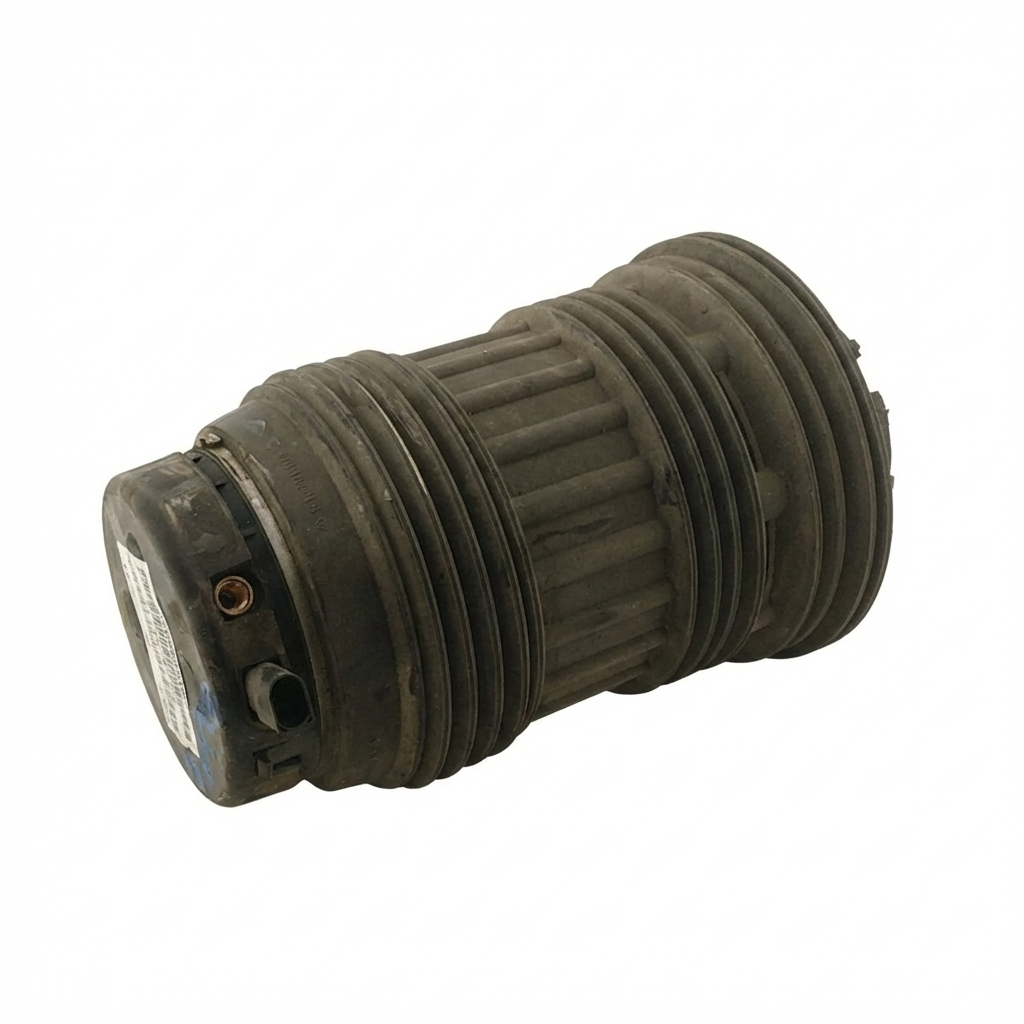
The Pontiac Aztek was available with two types of rear suspension. The standard setup used conventional coil springs and shock absorbers. An optional load-leveling suspension (sometimes called Electronically Controlled Air Suspension or ECAS) was also offered. It's important to understand that both systems use the same rear coil springs. The difference is in the shock absorbers. The optional system uses 'air shocks' which have an inflatable air bladder to help level the vehicle when carrying heavy loads. The coil spring provides the primary support in both configurations. If you are converting from the air suspension to standard shocks, you can reuse your existing coil springs if they are in good condition.
Symptoms of Failing Rear Coil Springs

When rear coil springs wear out or break, the signs are usually noticeable. A broken spring is a safety issue that should be addressed immediately.
- Sagging Rear End: The most obvious symptom is a lower-than-normal ride height at the back of the vehicle. It may lean to one side if only one spring has failed. You'll notice a smaller gap between the top of the tire and the fender well on the affected side.
- Loud Noises: A broken or worn spring can make clunking, creaking, or scraping sounds, especially when driving over bumps, dips, or turning. This is often the sound of the broken spring shifting in its seat or making contact with other suspension components.
- Bouncy or Harsh Ride: Worn springs lose their ability to properly absorb impacts, leading to an excessively bouncy or jarring ride. The vehicle may also 'bottom out,' where the suspension runs out of travel and hits the bump stops with a loud thud over bumps.
- Uneven Tire Wear: Failed springs alter the suspension geometry, which can cause the rear tires to wear unevenly and prematurely.
- Poor Handling: The vehicle may feel unstable or sway excessively during turns, especially when loaded. A broken spring can also lead to increased stopping distances as the suspension can't manage weight transfer properly during braking.
Pro Tip: Springs should always be replaced in pairs (both left and right) on the same axle. Replacing only one can result in uneven ride height, poor handling, and unpredictable performance.
Buying a Used Coil Spring: What to Check

A used OEM coil spring is often a great value, as they are simple, durable components. However, a thorough inspection is crucial before buying.
- Confirm FWD Origin: First and foremost, ensure the spring came from a Front-Wheel Drive (FWD) Aztek. A spring from an AWD model will not fit.
- Inspect the Coating: Look closely at the black protective coating on the spring. Avoid springs with significant rust, deep scratches, or areas where the coating is flaking off. Once rust gets a foothold, the spring can weaken and eventually break.
- Check for Cracks: Carefully examine the entire spring, paying special attention to the very top and bottom coils where they sit in the mounts. Look for any hairline cracks or fractures. A cracked spring is unsafe and useless.
- Look for Sag or Deformation: Place the spring on a flat surface. It should stand straight. Compare it to its intended mate if buying a pair; they should be the same height. Any visible bending, distortion, or a noticeable height difference from a known good spring indicates it is worn out.
- Buy as a Pair: Whenever possible, purchase a matched pair of used springs from the same vehicle. This ensures they have experienced similar wear and will provide a balanced ride height and consistent performance.
Known Issues, Recalls, and TSBs
As of this writing, there are no specific recalls or Technical Service Bulletins (TSBs) from GM or the NHTSA related to rear coil spring failure on the 2001-2005 Pontiac Aztek. Failures are typically due to age, corrosion from road salt, and metal fatigue. While a general suspension recall was issued in 2006 that included the Aztek, details confirming it involved the coil springs are not available.
Cost Comparison for Rear Coil Spring Replacement
Prices can vary by region and supplier, but this provides a general estimate for replacing a pair of rear coil springs.
| Part/Service | Estimated Cost |
|---|---|
| New OEM (Pair) | $150 - $250+ (Often discontinued and hard to find) |
| New Aftermarket (Pair) | $60 - $120 |
| Used OEM (Pair) | $40 - $80 |
| Shop Labor | $100 - $200 |
Rear Coil Spring Replacement Overview (FWD Models)

Replacing the rear coil springs on a FWD Aztek is a straightforward job for a DIY mechanic with the right safety equipment. No special spring compressor is needed.
- Difficulty: 2 out of 5
- Estimated Time: 1-2 hours
Basic Steps:
- Lift the rear of the vehicle and securely support the frame with jack stands. Never work under a vehicle supported only by a jack.
- Remove both rear wheels.
- Place a floor jack under the center of the rear axle beam to support its weight.
- Unbolt the lower mount of both rear shock absorbers.
- Slowly and carefully lower the rear axle with the floor jack. The axle will pivot downwards, relieving tension on the coil springs. Do not let the axle hang by the brake hoses.
- Once the springs are loose, they can be removed by hand. Note the position of the rubber insulators at the top and bottom.
- Install the new springs with their insulators, making sure they are seated correctly in the upper and lower mounts.
- Raise the axle with the floor jack, guiding the components back into alignment.
- Re-install the lower shock absorber bolts and tighten to the manufacturer's specified torque.
- Re-install the wheels, lower the vehicle, and test drive.
Frequently Asked Questions (FAQ)
Can I drive with a broken coil spring?
No, it is not recommended and may be illegal depending on local laws. A broken spring severely compromises your vehicle's handling, braking, and stability, making it unsafe to drive. It can also cause further damage to tires and other suspension components.
Do I need a wheel alignment after replacing rear coil springs?
On a FWD Pontiac Aztek with its solid rear axle, a full four-wheel alignment is generally not required after replacing only the rear springs. The rear axle geometry is not adjustable. However, if you were experiencing unusual tire wear before the replacement, an alignment check is a good idea to diagnose any other potential issues.
Why is my Aztek leaning to one side after I parked it?
A sudden lean to one side is a classic symptom of a broken coil spring on that corner of the vehicle. You should visually inspect the spring in the wheel well for a visible fracture. Do not drive the vehicle until it has been inspected and repaired.
Can I use springs from a Buick Rendezvous or Chevrolet Venture on my Aztek?
The Pontiac Aztek shares its platform with the Buick Rendezvous and GM's U-body minivans (Chevrolet Venture, Pontiac Montana). While parts may look similar, spring rates can differ based on the vehicle's weight and intended use. It is always best to use a spring specifically listed for the 2001-2005 Pontiac Aztek (FWD) to ensure correct ride height and performance. Using a spring with the wrong rate can lead to a harsh ride or improper vehicle stance.
Technical Specifications
OEM Part Numbers: 10306378 10372527 10412896 10412897 10412898 10412899 10442089 22209636
Fits Front-Wheel Drive (FWD) models with a rear twist-beam axle. Does not require a spring compressor for installation.
We Have This Part in Stock

The information in this article is provided for general reference and educational purposes only. Vehicle specifications, procedures, and part compatibility can vary by production date, trim level, and region. Always consult your vehicle's factory service manual and verify part numbers before purchasing or performing repairs. Safety-critical components such as airbags, seat belts, and braking systems should be installed by a qualified professional.
- Pontiac Aztek:
- 🛍️ Shop This Part
- Critical Compatibility Warning: FWD vs. AWD
- Standard vs. Optional Air Suspension
- Symptoms of Failing Rear Coil Springs
- Buying a Used Coil Spring: What to Check
- Known Issues, Recalls, and TSBs
- Cost Comparison for Rear Coil Spring Replacement
- Rear Coil Spring Replacement Overview (FWD Models)
- Frequently Asked Questions (FAQ)
- 🎟️ Get 5% Off