

2014-2019 Ford Fiesta Rear Coil Springs: A Guide to Breakage, Symptoms, and Replacement
This guide covers the common failure of rear coil springs on the 2014-2019 Ford Fiesta, including symptoms, critical model-specific fitment, and how to inspect a used replacement.
- Rear coil springs on 2014-2019 Fiestas commonly break at the bottom coil due to rust.
- Fitment is critical and not interchangeable: Hatchback, Sedan, and ST models all require different, specific springs.
- Always replace rear springs in pairs to ensure safety, correct ride height, and balanced handling.
- Replacement is a simple DIY job (Difficulty 2/5) and does not require a spring compressor for the rear.
The Common Problem: Broken Rear Springs
Rear coil springs on the 2014-2019 Ford Fiesta are a known common failure point. Many owners experience a sudden break, often without any prior warning. The break typically occurs on the last coil at the very bottom of the spring. This area is susceptible to collecting dirt, salt, and moisture, which can wear away the spring's protective coating, leading to rust and eventual fracture.
Symptoms of a Broken or Failing Coil Spring

A broken coil spring will be immediately noticeable. Here are the most common signs:
- A Loud "Clunk" or "Bang": This is often the first indication that a spring has snapped. The sound comes from the rear of the car, and you may hear it while driving or even when the car is parked.
- Vehicle Sagging or Leaning: The car will visibly sit lower in one rear corner. You can measure the distance from the top of the wheel arch to the ground on both sides to confirm the difference.
- Rattling or Scraping Noises: After the initial break, you may hear rattling or scraping sounds as the broken piece of the spring moves around in its seat or makes contact with other suspension parts.
- Poor Handling and Instability: With a broken spring, the car may feel unstable, sway excessively in turns, or bounce more than usual over bumps.
- Uneven Tire Wear: A collapsed corner changes the suspension geometry, which can cause accelerated and uneven wear on the affected tire.
Known Issues and Recalls

While there are no widespread recalls specifically for broken coil springs on the 2014-2019 Ford Fiesta, Ford did issue a recall (Ford #20S41) for some vehicles built in late 2019. The recall noted that insufficient clearance between the rear coil spring and the toe link bracket could cause the spring's protective coating to wear away. This could lead to corrosion and an eventual fracture, causing the spring to separate from the vehicle and become a road hazard. Although this recall was primarily for other models, the failure description perfectly matches the common issue seen by Fiesta owners, indicating a known potential weakness in the rear suspension design.
Critical Fitment Warning: Hatchback vs. Sedan vs. ST Models
Not all 2014-2019 Fiesta rear coil springs are the same. Using the wrong part is a significant safety risk. The springs are specifically tuned for the weight and performance characteristics of each body style and trim level.
- Hatchback vs. Sedan: These models have different weight distributions and require different springs. Do not interchange them.
- ST & ST-Line Models: The high-performance ST and sporty ST-Line models have a lower and stiffer sport-tuned suspension. They use unique springs that are not compatible with standard Fiesta models (S, SE, Titanium). Using a standard spring on an ST will result in incorrect ride height, poor handling, and unpredictable vehicle behavior.
Always verify the exact model of the donor vehicle when purchasing a used part. The provided OEM part numbers (C1BC-5560-CBA, C1BC-5560-PBA, C1BZ-5560-A, etc.) correspond to these different variations.
Buying a Used Coil/Air Spring: What to Inspect

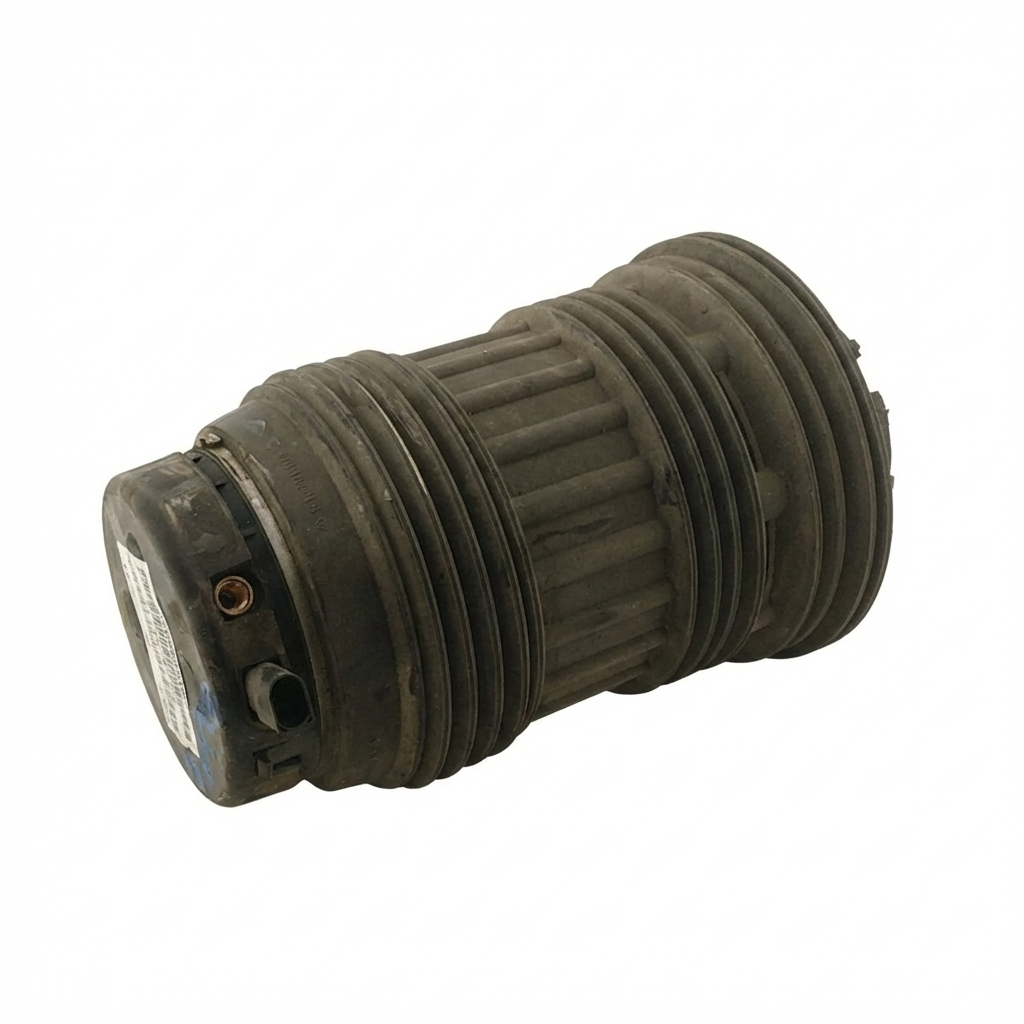
A high-quality, used OEM coil spring is often a better choice than a cheap, new aftermarket part. OEM springs are made to Ford's exact specifications for spring rate and durability, ensuring proper ride quality. Aftermarket springs can vary in quality, potentially altering your car's ride height and handling.
When inspecting a used Fiesta rear coil spring, pay close attention to the following:
- Check for Cracks: This is the most critical inspection. Carefully examine the entire spring, but focus on the very top and bottom coils. A fracture will often look like a clean snap.
- Inspect for Corrosion: Surface rust is common, but you should reject any spring with deep, flaky rust or pitting. Pay special attention to the bottom coil where it sits in the axle mount, as this is the most common failure point.
- Examine the Protective Coating: Look for large areas where the black powder coating has peeled or chipped away, exposing the bare metal to the elements. A compromised coating is a precursor to failure.
- Compare Heights: If you are buying a pair, stand them next to each other on a flat surface. They should be the same height. If one is visibly shorter, it has sagged and should not be used.
- Verify Part Numbers: If the original part number sticker or tag is still present, match it to the numbers known to fit your specific Fiesta model (Hatchback, Sedan, or ST).
Replacement Cost Comparison
Replacing rear coil springs is a relatively inexpensive repair, especially if you can do it yourself. Always replace them in pairs to ensure a level stance and balanced handling.
| Part/Service | Estimated Cost (for a pair) |
|---|---|
| New OEM | $90 - $180 |
| New Aftermarket | $80 - $150 |
| Used OEM | $70 - $150 |
| Shop Labor | $100 - $250 |
Rear Coil Spring Replacement Overview (DIY)

Pro Tip: This is a straightforward job for a DIYer with basic tools. Unlike front struts, the rear coil springs on a Fiesta are separate from the shock absorbers and do not require a dangerous spring compressor tool for removal.
Difficulty: 2 out of 5
Estimated Time: 1-2 hours for the pair
Tools Required: Jack, Jack Stands, Wheel Chocks, Lug Wrench (19mm socket), Socket Wrench, 15mm Socket, Torque Wrench.
Simplified Steps:
- Park on a level surface and chock the front wheels. Loosen the rear wheel's lug nuts.
- Jack up the rear of the car and place it securely on jack stands. Remove the wheel.
- Place a jack under the rear axle beam near the spring you are replacing to support its weight.
- Using a 15mm socket, remove the lower shock absorber bolt. This will allow the axle to drop down.
- Slowly lower the jack supporting the axle. As the axle drops, the coil spring will decompress and can be easily removed by hand.
- Inspect the upper and lower rubber spring insulators (pads). If they are cracked or worn, replace them.
- Install the new spring, making sure it is seated correctly in the upper and lower mounts.
- Raise the axle with the jack, guide the lower shock mount into place, and reinstall the bolt.
- Tighten the lower shock absorber bolt to 70 Nm (52 lb-ft).
- Reinstall the wheel, lower the vehicle, and tighten the lug nuts in a star pattern to 120 Nm (89 lb-ft).
- Repeat the process for the other side.
Frequently Asked Questions (FAQ)
Do I absolutely have to replace my coil springs in pairs?
Yes. It is strongly recommended to always replace coil springs in pairs on the same axle. A new spring will have a slightly different height and rate than an old, fatigued spring on the other side. Replacing only one can lead to an uneven ride height, unbalanced handling, and unpredictable steering, which is a safety concern.
Can I use a spring from a Fiesta Sedan on my Hatchback?
No. The Sedan, Hatchback, and ST models all use different rear springs designed for their specific weight and handling characteristics. Using the wrong spring will result in incorrect ride height and can make the vehicle unsafe to drive.
What happens if I keep driving with a broken coil spring?
Driving with a broken spring is not recommended and can be illegal if the vehicle is deemed unsafe. The vehicle's handling will be compromised, especially during turns or emergency maneuvers. The broken spring fragment can also shift and potentially damage the tire, brake lines, or other nearby components.
Do I need a special spring compressor tool for the rear springs?
No. For the rear of the 2014-2019 Fiesta, a spring compressor is not necessary. The spring is separate from the shock absorber, and it can be safely removed and installed by simply lowering the rear axle to decompress it.
Technical Specifications
OEM Part Numbers: C1BC-5560-CBA C1BC-5560-PBA C1BC-5560-PBB C1BC-5560-PBC C1BC5560CAA C1BC5560CBA C1BC5560PBA C1BC5560PBB C1BC5560PBC C1BCCAA C1BCCBA C1BCPBA C1BCPBB C1BCPBC C1BZ-5560-A C1BZ-5560-B C1BZ-5560-N
Lower Shock Bolt Torque: 70 Nm (52 lb-ft). Wheel Lug Nut Torque: 120 Nm (89 lb-ft).
We Have This Part in Stock



The information in this article is provided for general reference and educational purposes only. Vehicle specifications, procedures, and part compatibility can vary by production date, trim level, and region. Always consult your vehicle's factory service manual and verify part numbers before purchasing or performing repairs. Safety-critical components such as airbags, seat belts, and braking systems should be installed by a qualified professional.
- Ford Fiesta: