

1986-1997 Ford Aerostar: Front Spring Codes & Rear Air Suspension Guide
This guide decodes the critical front coil spring codes and explains common failures of the optional rear air suspension system for the Ford Aerostar.
- You MUST match the front coil spring code from your driver's door jamb sticker ('SPR' code) to ensure correct ride height and safety.
- Buying used rubber rear air springs is not recommended due to age-related dry rot; new aftermarket air springs or a coil conversion kit are better options.
- Symptoms of failure include visible sagging, clunking noises over bumps, and a bouncy ride for coil springs; or a sagging rear and constantly running compressor for air suspension.
- Front coil spring replacement is dangerous and requires a special spring compressor tool; it is not recommended for novice mechanics.
Understanding Your Aerostar's Suspension: Front Coils vs. Rear Air

The 1986-1997 Ford Aerostar was built with two different suspension systems that do not interchange. The front suspension uses conventional steel coil springs on all models. The rear suspension, however, could be either standard leaf springs or an optional Electronic Air Suspension system. This guide covers the front coil springs and the components of the optional rear air suspension.
Part 1: Front Coil Springs


The front coil springs are the primary load-bearing component of the front suspension. They are responsible for holding up the front of the van and absorbing bumps in the road. Over time, these steel springs can wear out, sag, or even break.
Important: Ford used several different front coil springs for the Aerostar, each with a specific spring rate to match the vehicle's factory options (engine size, RWD vs. AWD, cargo capacity). Using the wrong spring will result in incorrect ride height and poor handling.
Decoding Front Spring Codes (G, H, J, K, etc.)
To ensure you get the correct replacement spring, you must identify your Aerostar's original spring code. This code is a single letter found on the Safety Compliance Certification Label, located on the driver's side door jamb. Under the heading 'SPR' or 'SPRING', you will see a sequence of letters; the first letter corresponds to the front springs. For example, if the code is 'JA', your front spring code is 'J'. You must match this code when ordering a replacement.
Symptoms of Failing Front Coil Springs
- Visible Sagging: One corner of the van, or the entire front end, sits noticeably lower than it should. This may cause a feeling of leaning while driving.
- Clunking or Popping Noises: Loud bangs or pops, especially when going over bumps or turning, can indicate a broken or shifting spring.
- Excessive Bouncing: A worn spring loses its ability to support the vehicle, causing the van to bounce and feel unstable after hitting bumps.
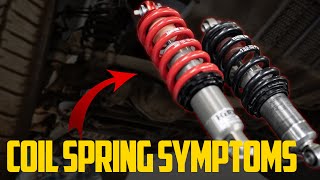
- Uneven Tire Wear: Incorrect ride height from a sagging spring changes the suspension geometry, leading to accelerated and uneven wear on the tires. 🎬 Watch: 5 Signs of a Bad Coil Spring and Cost Factors
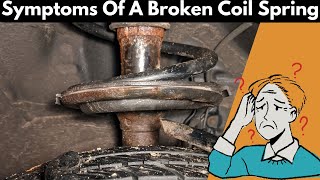
- Visible Damage: A visual inspection may reveal cracks, heavy corrosion, or a complete break in the spring coil. 🎬 See symptoms of a broken coil spring to avoid driving hazards
Part 2: Rear Air Suspension System (Optional)

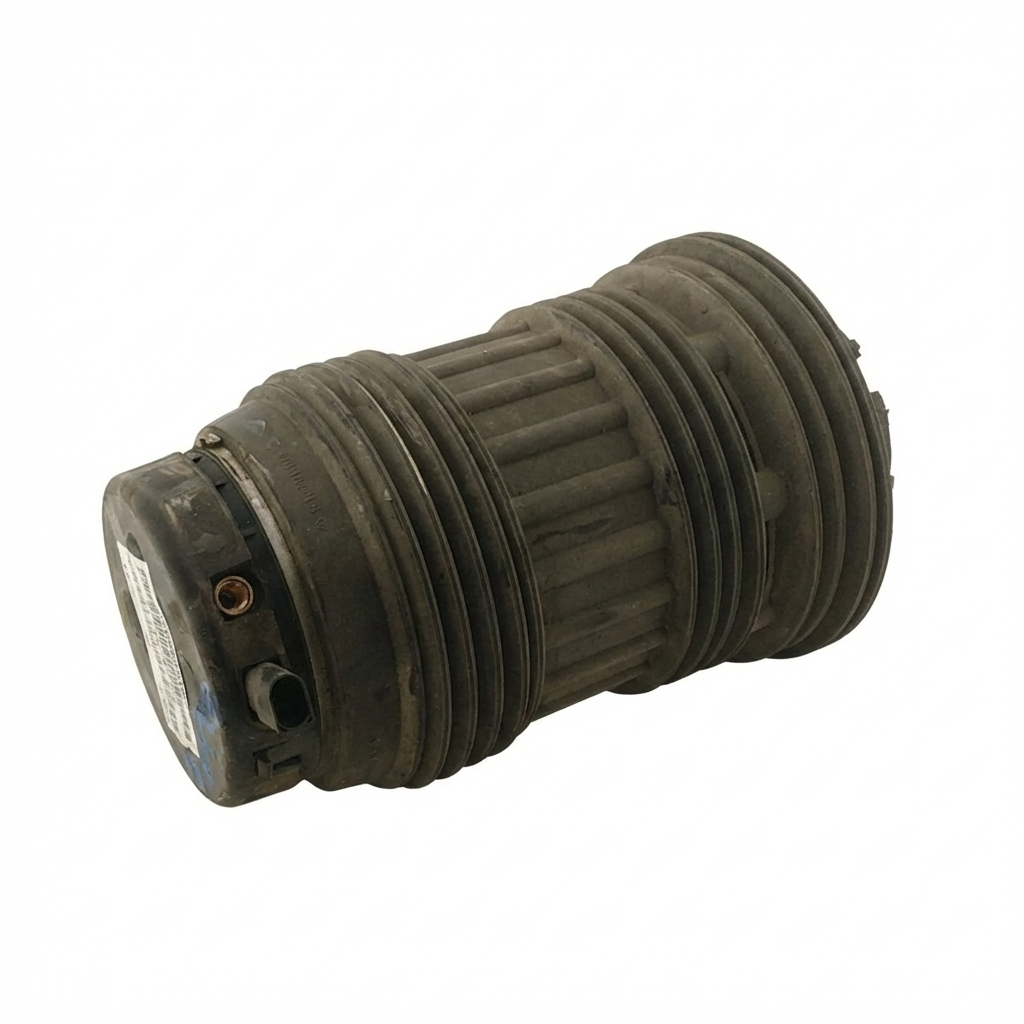
The optional rear air suspension was designed to provide a self-leveling feature, ideal for owners who frequently carried heavy loads or towed trailers. The system consists of rubber air springs (also called air bags or bellows), an electric air compressor, a height sensor, and a control module. When the height sensor detects that the rear of the van is low due to added weight, it signals the compressor to inflate the air springs until the stock ride height is restored.
Symptoms of Failing Rear Air Suspension
- Rear End Sagging: This is the most common symptom. The rear of the van sits low, either on one or both sides. This is typically caused by a leak in one or both of the rubber air springs.
- Compressor Runs Constantly or Not at All: A leak in an air spring will cause the compressor to run excessively to try and maintain pressure, often leading to it overheating and failing prematurely. If the compressor doesn't run at all, it may have failed, or there could be an issue with its relay or the control module.
- "Check Air Suspension" Light: A warning light on the dashboard will illuminate when the control module detects a fault in the system.
- Hissing Noise: A hissing sound from the rear of the vehicle, especially after parking, points to a leak in an air line or the air spring itself.
Known Issues: Air Spring to Coil Spring Conversion
Due to the age of the Aerostar, the original rubber air springs are prone to dry rot and leaks. Replacing the air suspension components can be costly. As a result, many owners choose to convert the rear air suspension to a more reliable and affordable conventional coil spring setup. Several aftermarket companies offer kits for this conversion. These kits typically include a pair of variable-rate coil springs and the necessary mounting hardware to replace the air springs directly. While this conversion eliminates the auto-leveling feature, it provides a durable, long-term solution to failed air suspension problems.
Buying a Used Coil or Air Spring
For a vehicle like the Aerostar, used OEM parts can be a great value. However, there are important differences when buying used coil springs versus used air springs.
Buying Used Front Coil Springs
- VERIFY THE SPRING CODE: This is the most critical step. Ensure the spring comes from a donor vehicle with the exact same spring code as yours. A spring from a heavier or lighter Aerostar model will not perform correctly.
- Inspect for Damage: Check the spring thoroughly for any cracks, especially near the top and bottom coils. Look for signs of being heated with a torch (discoloration, melted undercoating), which ruins the spring's temper. Avoid any spring that has been cut.
- Check for Corrosion: Heavy, flaking rust can weaken the spring and create stress points where it can fracture. Minor surface rust is generally acceptable, but deep pitting is a red flag.
- Buy in Pairs: Always replace coil springs in pairs (both front or both rear) to ensure an even ride height and balanced handling. A used spring will have settled slightly compared to a new one, so mixing a new spring with an old one will result in a lopsided stance.
Buying Used Rear Air Suspension Components
Warning: Buying used rubber air springs is highly discouraged. The rubber degrades with age and exposure to the elements, not just mileage. A used air spring, even if it looks good, is likely near the end of its service life and could fail shortly after installation.
- Air Springs (Bellows): If you must consider a used air spring, inspect the rubber for any signs of cracking, checking, or perishing, especially in the folded areas. It is almost always better to buy new aftermarket air springs.
- Compressor: A used OEM air compressor can be a good value. Before purchasing, ask if it has been tested. Ensure the electrical connector is not corroded or melted.
- Solenoids and Lines: These can often be reused if they are in good condition, but inspect all fittings and lines for cracks or damage.
Pro Tip: For front coil springs, a used OEM part that matches your spring code is often a better choice than a cheap, new aftermarket spring. The original Ford springs were made from high-quality steel and precisely rated for the vehicle, while some low-cost aftermarket springs can have incorrect spring rates, leading to a poor ride and premature sagging.
Cost Comparison
| Part | New OEM | New Aftermarket | Used OEM |
|---|---|---|---|
| Front Coil Spring (Pair) | $250 - $400+ (if available) | $80 - $200 | $50 - $120 |
| Rear Air Spring (Pair) | Discontinued | $150 - $300 | $40 - $100 (Not Recommended) |
| Rear Air Suspension Compressor | Discontinued | $150 - $250 | $50 - $100 |
| Rear Air-to-Coil Conversion Kit | N/A | $100 - $200 | N/A |
Recalls and Technical Service Bulletins (TSBs)
While the Ford Aerostar had numerous recalls over its lifespan, none were directly related to the coil springs or air suspension system failing. Most recalls pertained to issues like fuel lines, door latches, and accelerator cables. Given the vehicle's age, any suspension issues are now due to normal wear and tear rather than a specific manufacturing defect.
Installation Guide & Difficulty

Front Coil Spring Replacement
- Difficulty: 4 out of 5 (Difficult/Dangerous)
- DIY Feasible: Not recommended for beginners.
- Special Tools: A heavy-duty external spring compressor is required.
Warning: A compressed coil spring contains an enormous amount of energy. If the spring compressor tool slips or fails, the spring can be ejected with lethal force. This job should only be attempted by experienced mechanics who are familiar with the proper and safe use of spring compressors.
The general procedure involves lifting the vehicle, removing the wheel, disconnecting the shock absorber and sway bar link, carefully compressing the spring with the tool, and removing it from its seats in the control arm and frame.
Rear Air Spring Replacement / Coil Conversion
- Difficulty: 2 out of 5 (Easy to Moderate)
- DIY Feasible: Yes, for most DIY mechanics.
- Special Tools: No special tools are typically required beyond a standard socket set and jacks.
The process involves safely lifting the vehicle and supporting the frame on jack stands, supporting the rear axle with a jack, disconnecting the air line and top/bottom mounting clips or bolts, and removing the air spring. Installation is the reverse of removal. If converting to coils, the new springs will sit in the same location as the old air springs.
Frequently Asked Questions (FAQ)
Can I replace just one coil spring?
No, you should always replace coil springs in pairs for the same axle (both front or both rear). Springs sag over time, and replacing only one will result in an uneven ride height, poor handling, and unpredictable steering.
What happens if I ignore a sagging suspension?
Driving on sagging or broken springs is unsafe. It compromises handling and braking, especially in emergencies. It also causes rapid, uneven wear on your tires and can put extra stress on other suspension components like shocks, ball joints, and bushings, leading to more expensive repairs down the road.
Is it worth converting my rear air suspension to coil springs?
For most owners of a 1986-1997 Aerostar today, yes. A coil spring conversion is a permanent, reliable, and cost-effective solution to failing air suspension. You will lose the automatic load-leveling feature, but you will gain a maintenance-free rear suspension. If you do not regularly haul very heavy loads, the conversion is the most practical choice.
How can I be 100% sure I'm buying the right front spring?
The only way to be certain is to find the 'SPR' code on your driver's side door jamb sticker and match the first letter to the spring you are buying. Do not rely on year, model, or engine size alone, as Ford's spring usage was very specific.
Helpful Videos
Technical Specifications
OEM Part Numbers: E69Z-5310-B E69Z-5310-C E69Z-5310-D E69Z-5310-E E69Z-5310-F E69Z5310B E69Z5310C E69Z5310D E69Z5310E E69Z5310F E69Z5310Y E69Z-5560-A E69Z-5560-D
Springs are identified by single-letter codes (e.g., G, H, J, K) found on the vehicle's Safety Compliance Certification Label on the driver's door jamb. These codes correspond to different spring rates and load capacities.
We Have This Part in Stock

The information in this article is provided for general reference and educational purposes only. Vehicle specifications, procedures, and part compatibility can vary by production date, trim level, and region. Always consult your vehicle's factory service manual and verify part numbers before purchasing or performing repairs. Safety-critical components such as airbags, seat belts, and braking systems should be installed by a qualified professional.
- Ford Aerostar:
- 🎬 Helpful Videos
- 🛍️ Shop This Part
- Understanding Your Aerostar's Suspension: Front Coils vs. Rear Air
- Part 1: Front Coil Springs
- Decoding Front Spring Codes (G, H, J, K, etc.)
- Symptoms of Failing Front Coil Springs
- Part 2: Rear Air Suspension System (Optional)
- Symptoms of Failing Rear Air Suspension
- Known Issues: Air Spring to Coil Spring Conversion
- Buying a Used Coil or Air Spring
- Buying Used Front Coil Springs
- Buying Used Rear Air Suspension Components
- Cost Comparison
- Recalls and Technical Service Bulletins (TSBs)
- Installation Guide & Difficulty
- Front Coil Spring Replacement
- Rear Air Spring Replacement / Coil Conversion
- Frequently Asked Questions (FAQ)
- 🎟️ Get 5% Off