

1996-1998 Acura RL Front & Rear Coil Springs: A Buyer's Guide
This guide covers the common failure points, symptoms, and replacement costs for the coil springs and struts on the first-generation Acura RL.
- The 1996-1998 Acura RL uses a conventional coil spring and shock absorber system, not air suspension.
- A major safety recall (NHTSA 99V-069) was issued for premature lower ball joint failure, which can cause a suspension collapse; verify this repair was done.
- Symptoms are often caused by worn shock absorbers (struts) rather than the coil spring itself, but they should be inspected and often replaced together.
- When buying used, prioritize inspecting the spring for cracks and heavy rust. Avoid complete used strut assemblies unless mileage is very low, as the internal shock is a wear item.
Symptoms of Coil Spring or Strut Failure

On the 1996-1998 Acura RL, the coil springs and shock absorbers (struts) are the key components of the suspension. While the steel coil springs themselves are very durable, the shock absorbers they are paired with wear out over time. Often, symptoms are caused by a worn shock rather than a broken spring. When one component fails, it puts stress on the other, so they are often replaced together.
- Clunking or Rattling Noises: A common symptom of a worn suspension is a clunking or rattling sound, especially when driving over bumps or uneven roads. This can be caused by worn strut mounts, sway bar links, or, in severe cases, a broken coil spring.
- Vehicle Sagging: If you notice one corner of the car sitting lower than the others, the coil spring on that corner has likely weakened and sagged over time. You can measure from the center of the wheel to the top of the fender lip on all four corners to confirm.
- Bouncy or Harsh Ride: When the internal seals in the shock absorbers fail, they lose their ability to control the spring's movement. This results in a ride that feels excessively bouncy after hitting a bump or uncomfortably harsh and jarring over small imperfections.
- Nose Dives or Rear Squats: Worn front struts can cause the front of the car to dive excessively when braking. Similarly, worn rear shocks can cause the rear to squat during acceleration.
- Uneven Tire Wear: A failing suspension can lead to incorrect wheel alignment, causing tires to wear out prematurely or in unusual patterns, such as "cupping" (scalloped dips in the tread).
Pro Tip: Suspension noises can be tricky to diagnose. Squeaks and creaks are often caused by dry rubber bushings in the control arms, not the coil spring itself. 🎬 Watch how AT205 can fix annoying Acura RL suspension squeaks A clunk is more indicative of a worn strut mount, sway bar link, or ball joint.
Known Issues, Recalls, and TSBs

While there are no recalls specifically for the coil springs or struts on the 1996-1998 Acura RL, there is a significant safety recall for a related suspension component.
NHTSA Recall 99V-069: Front Lower Ball Joint Failure
A major recall was issued for premature wear of the front suspension's lower ball joints. In a worst-case scenario, the ball joint could separate, causing the front suspension to collapse, leading to a loss of steering control. This recall affected 1996-1998 Acura RL models, among other Hondas and Acuras. Dealers were instructed to replace the front lower ball joints free of charge. While the recall is old, it's critical to ensure this repair was performed on any potential vehicle or used suspension component you are considering.
Buying a Used Coil Spring or Strut Assembly

For a vehicle of this age, buying a used OEM spring can be a cost-effective solution, but it requires careful inspection. It is generally not recommended to buy a used shock absorber or a complete used strut assembly unless the mileage is very low, as the shock's internal seals have a finite lifespan.
What to Inspect:
- Inspect the Coil Spring:
- Cracks and Breaks: Carefully examine the entire length of the spring for any cracks, which often start near the top or bottom coils. A broken spring is unsafe and unusable.
- Heavy Rust or Corrosion: Surface rust is normal, but deep, flaking rust can weaken the spring and lead to failure. Avoid springs with significant corrosion.
- Check the Height: If possible, compare the free-standing height of the used spring to a new one or its opposite-side counterpart to check for sagging.
- Inspect the Complete Strut Assembly:
- Leaking Fluid: Look for any signs of oil or wet, grimy residue on the shock absorber body. Any leak means the shock has failed and needs to be replaced.
- Damaged Mounts: Check the upper strut mount for cracked or degraded rubber. This part is a common failure point and causes clunking noises.
- Bent Rod or Damaged Body: Ensure the chrome piston rod is straight and free of nicks or damage, and that the main body of the shock is not dented.
Warning: Be aware that the front suspension uses a separate shock and spring that are assembled with a dangerous amount of stored energy. Disassembling a front strut requires a high-quality spring compressor. Mishandling can be fatal. For DIY replacement, purchasing a complete, pre-assembled "quick strut" is much safer.
Cost Comparison (1996-1998 Acura RL)
Prices for suspension components can vary. OEM parts are often discontinued for a vehicle of this age, making used OEM or new aftermarket the most common options. All prices are estimates per corner.
| Part | Estimated Cost |
|---|---|
| New OEM Coil Spring | $150 - $250 (if available, many are discontinued) |
| New Aftermarket Coil Spring | $50 - $90 |
| New Aftermarket Complete Strut Assembly | $80 - $150 |
| Used OEM Coil Spring | $40 - $75 |
| Shop Labor (per corner) | $150 - $300 |
Frequently Asked Questions (FAQ)
Do I need to replace coil springs in pairs?
Yes, it is highly recommended to replace coil springs, shock absorbers, or complete strut assemblies in pairs (both front or both rear). Replacing only one side can result in uneven ride height, imbalanced handling, and unpredictable braking.
Is an alignment necessary after replacing springs or struts?
Yes. Replacing any major suspension component like a spring or strut will alter the vehicle's suspension geometry. A four-wheel alignment is required to ensure proper handling, prevent premature tire wear, and ensure the vehicle drives straight.
What's the difference between a shock and a strut?
A shock absorber simply dampens suspension movement. A strut is a structural part of the suspension that also incorporates the shock absorber. The Acura RL uses a double-wishbone front suspension where the shock/spring assembly is a distinct component, but it is commonly referred to as a strut assembly.
Can I use springs from a newer or different model RL?
It is not recommended. While some parts may physically fit across the first generation (1996-2004), spring rates and heights were tuned for specific vehicle weights and handling characteristics. Using incorrect springs can negatively affect ride height, handling, and safety. Always match part numbers to your specific year.
Helpful Videos
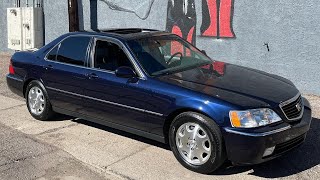
Technical Specifications
OEM Part Numbers: 51401-SZ3-004 51401-SZ3-014 51401-SZ3-911 51401-SZ3-A01 51401-SZ3-A02 51401-SZ3-A21 51401-SZ3-A31 51406-SZ3-A01 52441-SZ3-013 52441-SZ3-A02 52441-SZ3-903 52441-SZ3-A31
Suspension Type: Front Double Wishbone, Rear Multi-Link, with coil-over-shock assemblies.

The information in this article is provided for general reference and educational purposes only. Vehicle specifications, procedures, and part compatibility can vary by production date, trim level, and region. Always consult your vehicle's factory service manual and verify part numbers before purchasing or performing repairs. Safety-critical components such as airbags, seat belts, and braking systems should be installed by a qualified professional.
- Acura RL: