

1990-1993 Mazda Miata Clutch Disc: A Guide to Failure Symptoms and Replacement
This guide covers the essential information for diagnosing a failing clutch disc in a 1990-1993 Mazda MX-5 Miata and what to look for when purchasing a used replacement.
- The clutch disc for a 1990-1993 Miata MUST be for the 1.6L engine (200mm diameter); a disc for the later 1.8L engine will not fit.
- Clutch replacement is a major job requiring transmission removal; it is critical to replace the pressure plate, pilot bearing, and release bearing at the same time.
- When buying a used disc, reject it immediately if it is contaminated with oil, has broken center springs, or shows signs of severe overheating (glazing).
- Symptoms like a soft pedal or inability to shift often point to a failing clutch master or slave cylinder, which should be diagnosed before assuming the clutch disc is bad.
Symptoms of a Worn 1990-1993 Miata Clutch Disc

A failing clutch disc is a wear item and will show several signs that it needs replacement. Ignoring these symptoms can lead to further drivetrain damage or leave you stranded.
- Clutch Slipping: This is the most common symptom. You'll notice the engine RPMs increase as you accelerate, but the car's speed doesn't increase accordingly. This happens because the friction material on the disc is too worn to properly grip the flywheel. You may first notice this when going up hills or under hard acceleration.
- Burning Smell: A sharp, acrid smell, similar to burnt brakes, is a clear sign of a slipping clutch. This odor is the friction material overheating as it slips against the flywheel.
- Difficulty Shifting Gears: If it becomes hard to shift, especially into first or reverse, it could mean the clutch disc is not disengaging fully. You might also hear a grinding noise when trying to change gears.
- Clutch Chatter or Shudder: When you release the clutch from a stop, you may feel a vibration or jerking motion. This can be caused by an unevenly worn or contaminated clutch disc.
- Changes in Pedal Feel: While often related to the hydraulic system, a change in the clutch pedal's engagement point can indicate a worn disc. If the clutch only engages when the pedal is very high off the floor, the disc is likely near the end of its life. A soft or spongy pedal often points to hydraulic issues, like a failing master or slave cylinder 🎬 Watch how to diagnose a stuck Miata clutch pedal, which are common points of failure on these cars.
Pro Tip: A simple way to test for a slipping clutch is to drive at a moderate speed (around 45 mph) in a high gear (like 5th) and fully press the accelerator. If the engine revs up without a corresponding increase in speed, the clutch is slipping. Another test is to set the parking brake, put the car in a high gear, and slowly release the clutch. The engine should stall almost immediately; if it continues to run for a moment while the clutch is being released, the disc is worn and slipping.
Buying a Used Clutch Disc: What to Inspect

While a new clutch kit is always recommended, a low-mileage used OEM disc can be a viable option if inspected carefully. Here’s what to look for:
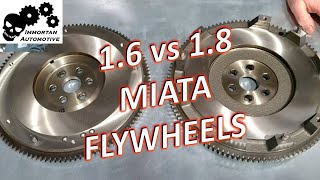
- Verify Compatibility: This is the most critical step. The 1990-1993 Miata with the 1.6L engine uses a 200mm diameter clutch disc. 🎬 See this quick reference comparison of 1.6 vs 1.8 flywheels The later 1994+ Miatas with the 1.8L engine use a larger 215mm or 225mm disc. These are not interchangeable without also swapping the flywheel and pressure plate as a matched set. Always confirm you are buying a disc specifically for the 1.6L engine.
- Check Friction Material Thickness: The friction material is what wears down. Compare the used disc to a new one if possible. Look at the depth of the grooves in the material; if they are shallow or gone, the disc has little life left. The material should be significantly thicker than the rivets that hold it to the disc body.
- Inspect for Oil Contamination: Look for dark, greasy stains on the friction surface. A clutch disc saturated with oil (from a leaking rear main seal or transmission input shaft seal) is useless. It will slip no matter how much material is left. Do not purchase an oil-contaminated disc.
- Look for Glazing and Hot Spots: A shiny, smooth, or glassy surface indicates the clutch has been overheated from excessive slipping. You may also see blue or discolored areas on the metal parts of the disc. A glazed disc will not grip properly.
- Check the Damper Springs: The small coil springs in the center hub of the disc absorb drivetrain shocks. Wiggle each spring to ensure it is snug in its housing. If any springs are broken, loose, or missing, the disc is junk and will cause noise and harsh engagement.
- Check for Warping: Lay the disc on a known flat surface to check for any warping. A warped disc will cause clutch chatter and uneven engagement. While hard to measure without tools, a visual inspection can reveal major issues.
Known Issues, TSBs, and Recalls
For the 1990-1993 model years, there are no recalls or Technical Service Bulletins (TSBs) from Mazda or the NHTSA directly related to the clutch disc itself. Most clutch-related problems on these cars stem from normal wear and tear or issues with the hydraulic system.
- Hydraulic System Failure: Often, what seems like a clutch failure is actually a problem with the clutch master cylinder or slave cylinder. Symptoms include a soft pedal that goes to the floor with no resistance or the inability to disengage the clutch. These parts are relatively inexpensive and much easier to replace than the clutch itself.
- Accessory Hoist Recall: A notable recall (NHTSA 92V159000) was issued for an accessory hardtop hoist sold for these vehicles, where plastic buckles could break, causing the hardtop to fall. This does not affect the vehicle's drivetrain.
Replacement Information

Replacing the clutch disc is a difficult and time-consuming job that requires removing the entire transmission from the vehicle.
- Difficulty Rating: 5 out of 5 (Professional level)
- DIY Feasible: For experienced home mechanics with proper tools (transmission jack, engine support, extensive socket set, torque wrench). Not recommended for beginners.
- Related Parts to Replace: It is strongly recommended to replace the clutch disc, pressure plate, pilot bearing, and release bearing (throw-out bearing) at the same time. These parts are typically sold together as a "clutch kit". It is also the perfect time to inspect the engine's rear main seal and the transmission's input shaft seal for leaks and replace them if necessary. Resurfacing or replacing the flywheel is also standard practice during a clutch job.
| Part/Service | Estimated Cost |
|---|---|
| New OEM Clutch Kit | $250 - $400 |
| New Aftermarket Clutch Kit (Exedy OEM equivalent) | $150 - $250 |
| Used OEM Clutch Disc | $30 - $75 |
| Shop Labor Cost | $500 - $750 |
Frequently Asked Questions
Can I just replace the clutch disc and not the other parts?
While technically possible, it is highly discouraged. The labor to remove the transmission is the biggest part of the job. The pressure plate and release bearing wear along with the disc, and failing to replace them will likely mean you have to do the entire job again soon. Always replace these components as a set.
What's the difference between a 1.6L and 1.8L Miata clutch?
The primary difference is size. The 1990-1993 Miata 1.6L engine uses a 200mm clutch disc. The 1994 and newer 1.8L engines use a larger clutch (215mm or 225mm) and a different flywheel to match. The parts are not directly interchangeable unless you swap the flywheel, clutch disc, and pressure plate as a complete assembly.
How long should a Miata clutch last?
A stock Miata clutch can last anywhere from 60,000 to over 100,000 miles, depending heavily on driving style. Aggressive driving with hard launches will wear it out much faster, while gentle highway driving can extend its life significantly.
What causes clutch chatter?
Clutch chatter, a shuddering or vibration when engaging the clutch, can be caused by several things. Common culprits include oil contamination on the disc, hot spots on the flywheel or pressure plate, a warped disc, or worn engine and transmission mounts.
Helpful Videos

Technical Specifications
OEM Part Numbers: B622-16-460A B623-16-460A B623-16-460B B630-16-460 B634-16-460 B634-16-460A B634-16-460B B634-16-460C
Diameter: 200mm, Spline Count: 22, Engine Fitment: 1.6L only

The information in this article is provided for general reference and educational purposes only. Vehicle specifications, procedures, and part compatibility can vary by production date, trim level, and region. Always consult your vehicle's factory service manual and verify part numbers before purchasing or performing repairs. Safety-critical components such as airbags, seat belts, and braking systems should be installed by a qualified professional.
- Mazda MX-5 Miata: