

2007 Jeep Commander Occupant Classification Module: Fixing the Airbag Light and Why Calibration is Critical
This in-depth guide explains the function, failure symptoms, and mandatory calibration process for the Occupant Classification Module in your 2007 Jeep Commander.
- This part is the Occupant Classification Module (OCM), NOT a Body Control Module.
- After replacement of the OCM or seat sensors, the system MUST be calibrated by a dealer or properly equipped shop.
- Failure to calibrate will result in the airbag light staying on and the system remaining inoperative.
- The most common symptom of failure is an illuminated airbag warning light on the dashboard.
Is This a Body Control Module?
No. While the initial part description may have included 'Body Control Module,' the part number 05183712AA and its function are specific to the Occupant Classification Module (OCM). The OCM is a dedicated safety computer for the passenger presence system. A Body Control Module (BCM) or Front Control Module (FCM) handles general vehicle functions like lights, locks, and windows, and is a different part located elsewhere in the vehicle.
Symptoms of a Failing OCM or Seat Sensor
When the Occupant Classification Module or its related sensors fail, the entire Supplemental Restraint System (SRS) flags a fault to alert the driver that passenger protection may be compromised.
- Airbag Warning Light: The most common symptom is a persistent airbag warning light on your dashboard. This indicates a fault somewhere in the SRS, and the OCM system is a frequent cause.
- 'Passenger Airbag Off' Light Stays On: The indicator light that shows the passenger airbag is disabled may stay illuminated even when an adult is seated.
- Diagnostic Trouble Codes (DTCs): A proper diagnosis requires a scan tool capable of reading airbag system codes. A general code like B223D points to a fault within the OCM itself. More commonly, codes will point to one of the four weight sensors in the seat cushion.
| Common OCM-Related Trouble Codes | Description |
|---|---|
| B1B79 | Passenger Seat Weight Sensor 3 - Left Front Input Circuit Low |
| B1B7E | Passenger Seat Weight Sensor 2 - Right Front Input Circuit Low |
| B1B83 | Passenger Seat Weight Sensor 4 - Left Rear Input Circuit Low |
| B1B88 | Passenger Seat Weight Sensor 1 - Right Rear Input Circuit Low |
| B1BA8 | OCM System Calibration Fault / Not Calibrated |
A technician with an advanced scan tool can view live data from the OCM to see the input from each of the four seat sensors, confirming which component has failed.
Warning: When the airbag light is on, the entire airbag system is typically disabled as a failsafe. This means airbags, including the driver's, may not deploy in a crash.
Known Issues, Recalls, and TSBs
While there are several safety recalls for the 2007 Jeep Commander, none specifically target this OCM for a manufacturing defect. Failures are typically due to age and wear. It's important to distinguish OCM failure from other well-known recalls:
- Ignition Switch Recall (NHTSA #14V438000): A faulty ignition switch could be bumped by the driver's knee, shutting off the engine and disabling the airbags. This is unrelated to the OCM but is a critical safety repair.
- Takata Airbag Inflator Recalls: Widespread recalls were issued for the airbag inflators themselves, which could rupture. This is a separate component from the OCM. Check your VIN on the NHTSA website to ensure this recall has been performed.
The Most Important Step: Programming and Calibration
This is not a plug-and-play part. Whether you install a new or used OCM, or replace any part of the passenger seat weight sensor system, the module must be calibrated to the vehicle.
This procedure is called the Occupant Classification Module System Verification Test. It cannot be skipped. Failure to calibrate will leave the airbag light on and the system inoperative, often setting a new fault code for a calibration error.
The calibration process involves:
- Using a compatible diagnostic scan tool (like the dealer's wiTECH system or advanced aftermarket tools like AlphaOBD) to initiate the test.
- The tool first zeroes out the system with the passenger seat completely empty.
- The technician is then prompted to place a series of special, specific weights on the seat to teach the module how to classify different occupants.
A dealership is the most reliable place to have this service performed. Some independent shops with high-level diagnostic tools may also be able to perform the calibration.
Buying a Used Occupant Classification Module
A used OCM is a viable and cost-effective solution, as these modules are not a high-wear item themselves. However, the sensors they connect to often are.
- Match the Part Number Exactly: Ensure the part number on the replacement module is identical to your original, such as 05183712AA or 5183712AA.
- Inspect Connectors: Check the module and its wiring connectors for any signs of corrosion, bent pins, or physical damage. Water leaks from sunroofs can sometimes damage electronics under the seats.
- Budget for Calibration: Remember that the cost of the part is not the final cost. You MUST factor in the price of having the system professionally calibrated after installation.
- Consider the Whole System: If your diagnostic codes point to a specific weight sensor, it may be more effective to replace the sensor (which can be part of the seat track or cushion) rather than the module. However, any replacement within the system still requires calibration.
Cost to Replace
The total cost involves the part, installation labor, and the required calibration.
| Item | Estimated Cost |
|---|---|
| New OEM Module/Sensor Assembly | $750 - $950 |
| Used OEM Module | $50 - $150 |
| Shop Labor (Installation & Calibration) | $150 - $300 |
| Total Estimated Cost (New Part) | $900 - $1,250 |
| Total Estimated Cost (Used Part) | $200 - $450 |
Note: Prices are estimates and will vary based on your location and the specific shop's labor rates. The labor for calibration is the critical, non-negotiable part of this repair.
Frequently Asked Questions (FAQ)
Can I just install a used OCM to turn off my airbag light?
No. Any time the OCM or a seat weight sensor is replaced, the system must be calibrated with a professional scan tool. Skipping this step will not fix the problem, and the airbag light will remain on.
Is a dealer the only place that can program the OCM?
While a Jeep dealer is the most certain option, they are not the only one. A well-equipped independent repair shop with advanced diagnostic tools (like Autel MaxiSYS or a subscription to wiTECH) or an advanced DIYer using software like AlphaOBD can also perform the calibration.
My airbag light is on, but my VIN shows no open recalls. What's wrong?
Recalls are issued for widespread manufacturing or safety defects. Your OCM or seat sensor has likely failed due to normal aging, which is not covered by a recall. The airbag light indicates a fault that needs to be diagnosed and repaired to restore safety system function.
Where is the OCM located?
The Occupant Classification Module is located under the front passenger seat, secured to the seat riser frame.
Technical Specifications
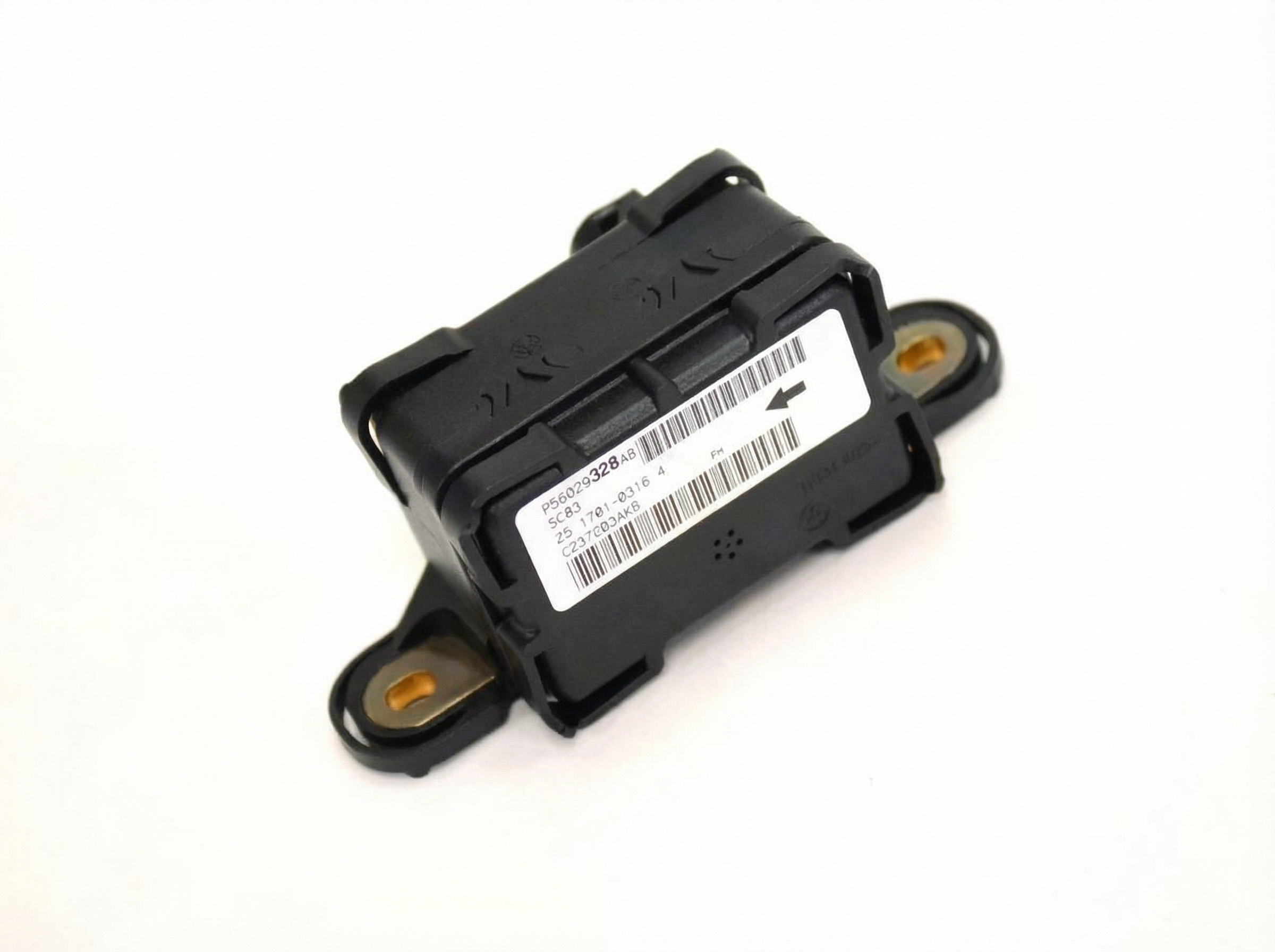
OEM Part Numbers: 05183712AA 5183712AA
Communicates with the Occupant Restraint Controller (ORC) via the CAN data bus. Monitors four seat weight sensors and seat track position sensors.
We Have This Part in Stock



The information in this article is provided for general reference and educational purposes only. Vehicle specifications, procedures, and part compatibility can vary by production date, trim level, and region. Always consult your vehicle's factory service manual and verify part numbers before purchasing or performing repairs. Safety-critical components such as airbags, seat belts, and braking systems should be installed by a qualified professional.
- Jeep Commander: