

2006-2007 Mazda 6 Center Pillar: Rust, Damage, and Replacement Guide
This guide covers the structural center B-pillar on the 2006-2007 Mazda 6, focusing on common rust issues, collision damage inspection, and why replacement is a job for professionals.
- This is a professional-only repair. The center pillar is a welded structural component requiring specialized equipment and expertise for safe replacement.
- First-generation Mazda 6s are highly prone to rust, which often starts inside the body panels. Inspect any used pillar for even minor signs of corrosion before buying.
- Compatibility is critical. You must source a replacement pillar from a donor car of the exact same body style (Sedan, Hatchback, or Wagon).
- A damaged center pillar is a critical safety failure. Do not drive a vehicle if the pillar is visibly bent, creased, or rusted through.
Understanding Your Mazda 6 Center Pillar: Structure vs. Trim
When discussing the 'center pillar' for a 2006-2007 Mazda 6, it's important to distinguish between two separate components. The first is the structural center pillar, a welded steel body part that is essential to the car's frame and safety. The second is the interior pillar trim, which is the plastic cover you see inside the cabin. This article focuses on the structural steel pillar, as damage to it has serious safety implications. Damage to the plastic trim is cosmetic and much simpler to address.
Symptoms of a Damaged Center Pillar
Unlike a mechanical part, a center pillar doesn't 'fail' through wear and tear. Its problems are almost always caused by either a collision or rust. Here’s what to look for:
- Visible Bends or Creases: Any deformation, no matter how small, indicates the pillar was compromised in an impact. This is a critical safety issue.
- Poor Door Alignment: If your front door won't close or latch properly, or the gaps between the door and the body are uneven, it can be a sign that the B-pillar has shifted.
- Rust Bubbles or Holes: First-generation Mazda 6 models are known for rust. Check the lower part of the pillar where it meets the rocker panel (the metal beam running under the doors). Bubbling paint or visible holes (perforation) are signs of serious corrosion that often starts from the inside.
- Wind Noise or Water Leaks: A bent pillar can prevent the door from sealing correctly, leading to excessive wind noise at speed or water leaking into the cabin during rain.
Warning: A damaged or rusted-through center pillar severely weakens the vehicle's structure and can dramatically reduce occupant protection in a future accident. This is not a cosmetic issue and should be addressed immediately by a professional body shop.
Known Issues: First-Generation Mazda 6 Rust Problems
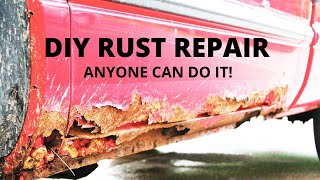
The 2003-2008 first-generation Mazda 6 is well-known for significant rust problems, particularly in regions that use road salt in the winter. Forum discussions among owners frequently mention severe corrosion on the rear wheel arches, rocker panels, and door sills. This rust can easily spread to or originate from the base of the center pillar where it connects to the rocker panel. The corrosion often begins from the inside due to inadequate sealing at the factory, meaning that by the time you see bubbles on the outside, the damage inside is usually much worse. While no specific recalls target the center pillar for rust, the prevalence of corrosion on these cars 🎬 Watch: How to repair Mazda body rust yourself makes it a primary concern when inspecting this part.
Buying a Used 2006-2007 Mazda 6 Center Pillar
Because new OEM structural pillars can be expensive or discontinued and aftermarket versions are rarely made, a used (recycled) OEM pillar is often the most practical solution. Here is what to check before you buy.
1. Verify Exact Body Style Compatibility
The center pillar is different for the Sedan, Hatchback, and Wagon models of the Mazda 6. Furthermore, the high-performance Mazdaspeed6 sedan may also have unique structural components. You must purchase a pillar from a donor vehicle with the exact same body style as your own. Always provide the seller with your vehicle's VIN to confirm a match.
2. The Ultimate Deal-Breaker: Rust
Thoroughly inspect the entire pillar, especially the lower 6-12 inches. Pay close attention to the inside and bottom where it was cut from the donor car.
- Surface Rust: Light surface rust can be sanded away and treated by a body shop.
- Pitting or Flaking: Heavy, flaky rust or pitted metal indicates deeper corrosion. Avoid these parts.
- Perforation (Holes): If there are any holes, no matter how small, the part is junk. Do not buy it. The structural integrity is gone.
3. Inspect for Hidden Collision Damage
A used pillar must come from a car that was not hit in that area.
- Look for any bends, waves, or creases in the metal. Run your hand along the surface to feel for imperfections.
- Check for signs of body filler (Bondo). A small magnet can help; it won't stick to areas with thick filler.
- Examine all mounting points, holes, and flanges for any signs of stress, tearing, or previous repair work.
4. Check the Cut Points
Center pillars are cut from a donor vehicle's body. Inspect where the cuts were made. A professional body shop will graft the new pillar onto your car, so the cuts should be clean and leave enough material for the technician to work with. Discuss the donor part with your body shop before purchasing if you are unsure.
Pro Tip: For a structural part like this, a used OEM pillar is superior to any aftermarket alternative. The original factory steel has known strength and crash-test performance that a cheap copy cannot guarantee.
Replacement Overview & Difficulty
Replacing a center pillar is a complex and precise job that should only be performed by a qualified auto body technician.
- Difficulty Rating: 5 out of 5 (Professional Only)
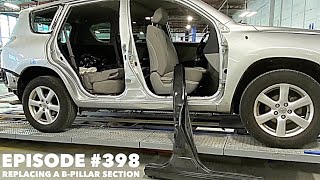
- Procedure: The process involves drilling out spot welds and precisely cutting the old pillar from the vehicle. The replacement pillar is then carefully positioned, welded, and sealed into place. According to the Inter-Industry Conference on Auto Collision Repair (I-CAR), Mazda does not provide a procedure for sectioning (partially replacing) the B-pillar reinforcement, meaning it should be replaced as a full assembly at the factory seams. 🎬 See how a professional replaces a B-pillar section
- DIY Feasibility: This is not a DIY job. It requires specialized welding equipment, frame alignment tools, and an expert understanding of unibody vehicle structures to ensure the repair is safe and the vehicle's integrity is restored.
Cost Comparison for Center Pillar Replacement
The majority of the cost for this repair is in the highly skilled labor required.
| Part/Service | Estimated Cost | Notes |
|---|---|---|
| New OEM Pillar | $500 - $1000+ | May be a special-order item or discontinued. Price is for the part only. |
| New Aftermarket Pillar | Not Available | Major structural components are rarely produced by aftermarket companies. |
| Used OEM Pillar | $150 - $400 | The most common and cost-effective source. Price depends on condition and availability. |
| Shop Labor | $1,000 - $2,500+ | Labor can range from $75 to $150 per hour, and this job can take 10-20 hours including prep, welding, and paint. |
Interior Trim Part Numbers
If you only need to replace the cosmetic plastic interior trim, the part numbers are more readily available. Note that these are NOT the structural pillar.
| Part Number | Description | Fitment Notes |
|---|---|---|
| GP9A-68-210B-77 | Left (Driver) Upper Pillar Trim | Fits 2006-2007 Mazdaspeed6 models. |
| GK2E-68-190B-77 | Right (Passenger) Upper Pillar Trim | Fits 2003-2008 models, typically described as for non-Mazdaspeed cars. |
| GK2E-68-220E-80 | Right (Passenger) Lower Pillar Trim | Fits 2003-2008 non-Mazdaspeed6 models, often in beige. | 🎬 Watch: How to remove Mazda interior pillar trim
Can I just repair a rusted center pillar?
If the rust is only minor surface corrosion, a body shop can sandblast it and apply a rust inhibitor and paint. However, if the rust has created any holes (perforation), the pillar's structural strength is compromised and it must be replaced. Patching holes with body filler is an unsafe repair that hides a critical structural failure.
Does a used center pillar come with the seatbelt or wiring?
Typically, no. A used structural pillar is usually sold as a bare metal component. You will need to transfer your original seatbelt mechanism, wiring harnesses, and interior trim panels to the new pillar during installation.
Will replacing the center pillar affect my car's title?
It can. If the damage was severe enough to involve an insurance claim, the vehicle may be issued a salvage or rebuilt title. The repair itself doesn't automatically trigger a title change, but the underlying reason for the repair often does. Check your local regulations.
Why is professional welding so important for this repair?
Modern cars use various types of high-strength steel that require specific welding techniques (like MIG welding) and settings to maintain their strength. Improper welding can heat-weaken the metal, creating a new failure point and compromising the safety of the repair. A professional body shop has the correct equipment and training to weld the pillar to factory standards.
Helpful Videos
Technical Specifications
OEM Part Numbers: GP9A-68-210B-77 (Interior Trim) GK2E-68-190B-77 (Interior Trim) GK2E-68-220E-80 (Interior Trim)
The structural pillar is made of welded, high-strength steel. Replacement must be done at factory seams as per I-CAR guidelines.
We Have This Part in Stock


The information in this article is provided for general reference and educational purposes only. Vehicle specifications, procedures, and part compatibility can vary by production date, trim level, and region. Always consult your vehicle's factory service manual and verify part numbers before purchasing or performing repairs. Safety-critical components such as airbags, seat belts, and braking systems should be installed by a qualified professional.
- Mazda 6:
- 🎬 Helpful Videos
- 🛍️ Shop This Part
- Understanding Your Mazda 6 Center Pillar: Structure vs. Trim
- Symptoms of a Damaged Center Pillar
- Known Issues: First-Generation Mazda 6 Rust Problems
- Buying a Used 2006-2007 Mazda 6 Center Pillar
- 1. Verify Exact Body Style Compatibility
- 2. The Ultimate Deal-Breaker: Rust
- 3. Inspect for Hidden Collision Damage
- 4. Check the Cut Points
- Replacement Overview & Difficulty
- Cost Comparison for Center Pillar Replacement
- Interior Trim Part Numbers
- 🎟️ Get 5% Off