

2011-2013 Caprice PPV Center Pillar: A Structural Weld-In Repair Guide
This guide explains the critical differences between the structural B-pillar and simple plastic trim, and what's involved in a major collision repair.
- The structural steel center pillar is a weld-in part; replacement is a professional-only collision repair.
- Do not confuse the structural pillar with the inexpensive plastic interior trim panels which are cosmetic.
- The only safe replacement is a used OEM pillar cut from an undamaged salvage vehicle.
- Damage to this part is always from a collision; inspect for poor door alignment, visible bends, or paint cracks.
- This is not a DIY job. Improper installation will make the vehicle unsafe to drive.
A Critical Distinction: Structural Pillar vs. Plastic Trim
Important: The structural center pillar is a welded-in part of the vehicle's frame. It is NOT the same as the plastic interior trim panels or the black exterior appliqué that cover it. Replacement of the structural pillar is a major collision repair that requires professional cutting and welding. The plastic trim pieces, however, are simple cosmetic covers that can be replaced easily.
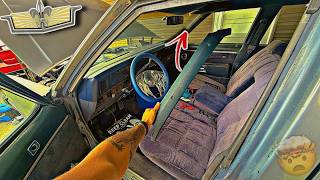
Many part searches will lead to results for 'pillar trim'. These are the inexpensive plastic interior panels. 🎬 Watch: Replacing broken interior pillar trim on a Caprice This guide focuses on the far more complex structural steel B-pillar itself.
Symptoms of a Damaged Center Pillar
Because the center pillar is a core structural component, it does not fail from normal wear and tear. Damage is almost always the result of a side-impact collision or, in rare cases, extreme rust perforation.
- Visible Bending or Crushing: This is the most obvious sign of failure. Any visible deformation, creasing, or buckling of the metal pillar indicates a severe structural compromise from an accident.
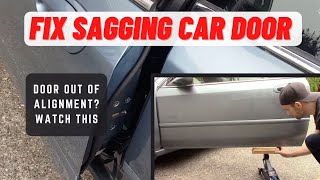
- Poor Door Alignment: If the front door won't close or latch properly, or if the gap between the front and rear doors is uneven, the B-pillar may have shifted or bent. 🎬 See: How to diagnose and fix sagging car doors
- Cracked Paint or Metal: Stress from an impact can cause cracks in the paint or the steel itself, particularly around the welds where the pillar meets the roof or rocker panel.
- Water Leaks or Wind Noise: A bent pillar can prevent the doors from sealing correctly, leading to noticeable wind noise at speed or water leaking into the cabin during rain.
Known Issues, Recalls, and TSBs for 2011-2013 Chevrolet Caprice
There are no known recalls or Technical Service Bulletins (TSBs) from GM or the NHTSA specifically related to the structural center pillar of the 2011-2013 Chevrolet Caprice PPV. The vehicle's structural integrity is generally considered robust, as expected for a police vehicle.
However, several safety recalls do exist for this vehicle that owners should be aware of:
- NHTSA Recall 14V540000: A condition where the driver's knee could bump the ignition key, potentially turning the engine off while driving and disabling airbags. The fix involves a redesigned key.
- NHTSA Recall 14V544000: Affects the transmission selector lever, which could allow the vehicle to be shifted from 'Park' without depressing the brake or allow the key to be removed when not in 'Park', creating a rollaway risk.
- NHTSA Recall 15V399000: Relates to the flexible steel cable for the seat belt tensioner, which could fatigue and separate over time.
None of these recalls pertain to the B-pillar itself.
Buying a Used Center Pillar: A Guide for Major Repairs
Since new structural pillars are often not sold separately from larger body assemblies, a used OEM pillar cut from a salvage vehicle is the most common source for this part. This is not a part you buy off a shelf; you will need to coordinate with a salvage yard to have it cut from a donor car.
Why Used OEM is the Only Choice
For a critical structural component like a B-pillar, a used Original Equipment Manufacturer (OEM) part is the only safe option. Aftermarket structural parts are rare and their material strength, fitment, and crash performance are not guaranteed to meet factory standards. A used OEM pillar is made from the same high-strength steel with the same design as your original, ensuring a proper and safe repair when installed correctly.
Inspection Checklist for a Salvage Pillar
When ordering from a salvage yard, you are relying on them to cut the correct part from an undamaged vehicle. Be very specific in your request.
- Specify Cut Locations: Tell the yard you need the passenger side (right-hand) B-pillar and provide generous cut locations. Ask them to cut at the middle of the roof rail above the pillar, and across the rocker panel at least 6-8 inches to the front and back of the pillar's base. This gives your body shop plenty of material to work with.
- Verify No Prior Damage: Insist that the pillar comes from a vehicle that did NOT suffer a side-impact or rollover on the side you are buying. The donor car should ideally have front or rear damage.
- Physical Inspection Upon Arrival: Before accepting the part, inspect it thoroughly:
- Check for Straightness: Look down the length of the pillar. It should be perfectly straight with no waves or subtle bends.
- The Magnet Test: Run a small magnet along the entire surface of the pillar. If the magnet fails to stick in any areas, it indicates the presence of plastic body filler (Bondo), meaning the pillar was damaged and repaired before. Reject any part with body filler.
- Inspect for Rust: Check for any signs of rust, especially at the bottom where it would meet the rocker panel and along any seams. Surface rust can be treated, but deep or perforated rust means the part is unusable.
- Check Mounting Points: Ensure the threaded holes for the door striker, hinges (if applicable), and seatbelt anchor are clean and undamaged.
Replacement Overview & Difficulty
This is not a DIY project. Replacing a structural B-pillar is a complex job that directly impacts the vehicle's safety and structural integrity. It should only be performed by a qualified auto body or collision repair professional.
- Difficulty Rating: 5 out of 5 (Professional Only)
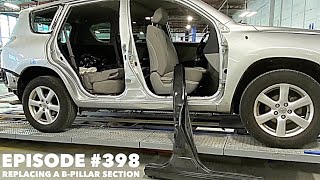
- Process: The job involves precisely measuring and cutting out the damaged pillar from the car's unibody. The replacement pillar is then carefully fitted, trimmed, and welded into place using specific types of welds (spot welds, plug welds) to replicate the factory assembly. 🎬 Watch: Professional B-pillar section replacement process The process also requires extensive grinding, sealing, rust-proofing, and repainting.
- Required Tools: Professional frame machine, plasma cutters, various grinders, spot welders, and MIG welders are required.
Warning: Improper welding or installation can severely compromise the vehicle's crash safety, leading to catastrophic failure in a future collision. Do not attempt this repair without professional training and equipment.
Cost Breakdown: Structural Pillar vs. Trim
The costs for replacing the structural pillar are dramatically different from replacing the simple plastic trim covers.
Structural Center Pillar Replacement Costs
| Part Type | Estimated Cost |
|---|---|
| New OEM Structural Pillar | Not typically sold separately |
| New Aftermarket Structural Pillar | Not available |
| Used OEM (Salvage Cut) | $200 - $500 (Part only, negotiated with salvage yard) |
| Shop Labor (Welding, Fitting, Painting) | $1,500 - $3,000+ |
Cosmetic Pillar Trim Replacement Costs
| Part Type | Estimated Cost |
|---|---|
| New OEM Interior Trim Panel | $50 - $85 |
| Used OEM Interior Trim Panel | $20 - $50 |
| Shop Labor (Trim Replacement) | $50 - $100 |
Part Numbers for Cosmetic Trim & Appliqués
The following part numbers are for the cosmetic plastic trim pieces that cover the structural pillar, NOT the pillar itself. This list is based on initial data and public catalogs; always verify fitment with a VIN.
| Part Number | Description | Side |
|---|---|---|
| 92251346 | Upper Interior Pillar Trim | Right (Passenger) |
| 92247533 | Upper Interior Pillar Trim | Right (Passenger) |
| 92251348 | Interior Pillar Trim (check application) | Right (Passenger) |
| 92267301 | Upper Interior Pillar Trim (from VIN CL644458) | Left (Driver) |
| 92247548 | Interior Pillar Trim (w/o rear head airbag) | Left (Driver) |
| 92172484 | Lower Interior Pillar Trim (Holden number) | Check Application |
Pro Tip: The 2011-2013 Caprice PPV is a rebadged Australian Holden Caprice (WM series). When searching forums or for parts, including 'Holden Caprice' in your search can sometimes yield more results and information.
Frequently Asked Questions (FAQ)
Can I replace a structural center pillar myself?
No. This is a job for a professional collision repair facility only. It requires specialized welding equipment and knowledge of unibody repair to ensure the vehicle is safe to drive after the repair. An improper repair can fail during an accident.
My pillar has a small dent. Does it need to be replaced?
Not necessarily. If the dent is purely cosmetic and has not affected the pillar's shape or the door's alignment, a body shop may be able to repair it using dent pulling tools and body filler. However, if the pillar is bent, creased, or structurally compromised, replacement is the only safe option.
What's the difference between the B-pillar and the C-pillar?
Vehicle pillars are named alphabetically from front to back. The A-pillar holds the windshield. The B-pillar is between the front and rear doors. The C-pillar is the rearmost pillar that holds the rear window.
Is the black plastic panel on the outside of the pillar sold separately?
Yes, the glossy black exterior trim piece, often called an appliqué, is a separate cosmetic part. It is typically attached with clips or adhesive and can be replaced if it's faded, scratched, or damaged without affecting the structural pillar underneath.
Helpful Videos
Technical Specifications
OEM Part Numbers: 92251346 92251348 92267301 92226253 92247533 92172484
The listed part numbers refer to cosmetic interior plastic trim panels, not the structural steel pillar. The structural pillar is made of multiple layers of high-strength steel and is an integral, welded part of the unibody.
We Have This Part in Stock


The information in this article is provided for general reference and educational purposes only. Vehicle specifications, procedures, and part compatibility can vary by production date, trim level, and region. Always consult your vehicle's factory service manual and verify part numbers before purchasing or performing repairs. Safety-critical components such as airbags, seat belts, and braking systems should be installed by a qualified professional.
- Chevrolet Caprice:
- 🎬 Helpful Videos
- 🛍️ Shop This Part
- A Critical Distinction: Structural Pillar vs. Plastic Trim
- Symptoms of a Damaged Center Pillar
- Known Issues, Recalls, and TSBs for 2011-2013 Chevrolet Caprice
- Buying a Used Center Pillar: A Guide for Major Repairs
- Why Used OEM is the Only Choice
- Inspection Checklist for a Salvage Pillar
- Replacement Overview & Difficulty
- Cost Breakdown: Structural Pillar vs. Trim
- Structural Center Pillar Replacement Costs
- Cosmetic Pillar Trim Replacement Costs
- Part Numbers for Cosmetic Trim & Appliqués
- Frequently Asked Questions (FAQ)
- 🎟️ Get 5% Off