

1992-1995 BMW 318i Camshaft Guide: M42 Ticking, Wear, and Replacement
This guide covers common camshaft failure symptoms, inspection tips for used parts, and critical related repairs for the 1.8L M42 engine.
- Compatibility is critical: These camshafts only fit the 1.8L M42 engine in 1992-1995 318i models, not the 1996+ M44 engine.
- Ticking noises are more often caused by hydraulic lifters or timing chain issues than the camshaft itself; diagnose carefully before replacing parts.
- The timing case 'profile gasket' is a notorious failure point; it is essential to replace it during any camshaft or timing chain service to prevent major leaks.
- When buying used, carefully inspect the camshaft lobes for any pitting, scoring, or heavy discoloration, as these are signs of terminal wear.
Symptoms of a Failing Camshaft

A worn camshaft in the M42 engine can cause a range of problems, but it's important to distinguish them from more common issues that present with similar symptoms.
1. Ticking or Tapping Noises
A rhythmic ticking or tapping sound from the top of the engine that increases with RPM is a classic sign of valvetrain trouble. While this can be caused by a worn camshaft lobe, it is more frequently caused by a failing hydraulic lifter or issues with the timing chain components on the M42 engine. Lifter tick is especially common on cars that are driven infrequently or for short trips. The sound of a bad lifter 🎬 Watch this video on diagnosing lifter tick noises is a sharp 'tick-tick-tick', whereas other issues like rod knock are deeper and timing chain slap is more of a rattle.
2. Loss of Power and Poor Acceleration
If the lobes on the camshaft are worn down, they can't open the valves as far or for as long as they should. This starves the engine of air and fuel, leading to a noticeable decrease in power, sluggish acceleration, and poor overall performance. The engine may feel hesitant, especially at higher RPMs.
3. Engine Misfires and Rough Idle
Incorrect valve operation from a worn camshaft can disrupt the combustion process, leading to engine misfires and a rough, unstable idle. This may trigger the Check Engine Light and store fault codes related to misfires (e.g., P0300, P0301-P0304) or camshaft position.
Compatibility Warning: These camshafts fit the 1.8L M42 DOHC engine used in 1992-1995 BMW 318i, 318is, and 318ti models. They are NOT interchangeable with the camshafts from the M44 engine found in 1996 and newer models. The M44 uses a different valvetrain design with roller rockers. Always verify your vehicle's engine code before purchasing.
Known Issues for the 1992-1995 BMW 318i (M42 Engine)

When diagnosing camshaft-related symptoms, it's crucial to be aware of other extremely common M42 engine problems that can mimic or directly cause valvetrain issues.
The Infamous Profile Gasket Leak
The timing case profile gasket, which seals the timing case to the cylinder head, is a notorious failure point on M42 engines built before late 1993. The original gasket material degrades, causing coolant to leak externally or, in severe cases, internally into the timing case, contaminating the engine oil. This is a labor-intensive repair that requires removing the timing components. If you are already doing a camshaft replacement, it is absolutely essential to replace this gasket and the other timing case gaskets at the same time.
Timing Chain System Wear
The M42 engine can also suffer from wear on the timing chain tensioner and plastic guides. A failing tensioner can cause chain slap—a rattling noise often heard on startup—which can be mistaken for lifter tick. If left unaddressed, a loose chain can jump time or cause damage to the guides, camshaft sprockets, and other components. Early M42 engines had a lower idler gear that could fail; this was later updated to a more reliable curved guide.
Buying a Used OEM Camshaft: A Buyer's Guide

A quality used OEM camshaft is an excellent, cost-effective alternative to expensive new parts. BMW's original parts are made from high-quality forged steel with precise lobe profiles. Cheap aftermarket replacements may not have the same durability or performance characteristics. Here’s what to look for when inspecting a used camshaft.
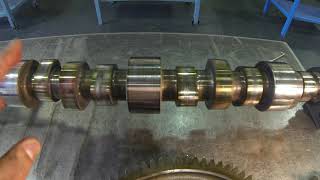
🎬 Watch a video on visually inspecting a camshaftPhysical Inspection Checklist:
- Lobe Surfaces: This is the most critical area. Look for any signs of pitting (small craters), scoring (scratches in the direction of rotation), or significant discoloration (bluing from excessive heat). The lobe surfaces should be smooth and even. A wear pattern showing contact across the whole lobe is normal, but deep grooves or flaking metal are major red flags. 🎬 Watch how to identify camshaft and lifter wear patterns
- Bearing Journals: These are the smooth, machined surfaces where the camshaft rides in the cylinder head. They should be free of deep scratches or scoring. Run your fingernail across the surface; you shouldn't be able to catch it on any grooves.
- Teeth on Rear Sensor Ring: Inspect the teeth on the rear of the camshaft that the camshaft position sensor reads. Ensure none are broken or damaged.
- Overall Condition: The part should be straight and free of any visible cracks or signs of major trauma. Some light surface rust from storage is often acceptable and can be cleaned off, but avoid parts with heavy corrosion.
Pro Tip: When you find a good used camshaft, it's best practice to use it with a new or corresponding set of used lifters from the same engine. Mating a used camshaft with worn lifters from a different engine can accelerate wear.
Replacement Overview & Difficulty
Replacing the camshafts on a BMW M42 engine is a complex and precise job that requires special tools and a high level of mechanical skill.
- Installation Difficulty: 4 out of 5 (Difficult)
- DIY Feasible: For experienced mechanics only. Not recommended for beginners.
- Special Tools Required: You will need a camshaft alignment tool to lock the camshafts in place and a crankshaft locking pin to set the engine to Top Dead Center (TDC). These are essential for maintaining proper engine timing.
Parts to Replace at the Same Time (The "While You're In There" List):
- Valve Cover Gasket Set
- Timing Case Profile Gasket
- Full Timing Chain Kit (Chain, Guides, Tensioner)
- Hydraulic Lifters (Tappets)
- Camshaft Position Sensor O-ring
- Front Crankshaft Seal
Cost Comparison
| Part Type | Estimated Cost |
|---|---|
| New OEM | $750 - $950 per camshaft |
| New Aftermarket (Performance) | $1,000 - $1,400+ per set |
| New Aftermarket (Standard) | $200 - $400 per camshaft |
| Used OEM | $50 - $150 per camshaft |
| Shop Labor Cost | $900 - $1,500 |
OEM Part Numbers & Specifications
The M42 engine uses separate camshafts for the intake and exhaust valves. Ensure you are purchasing the correct one for your needs.
| Position | OEM Part Numbers |
|---|---|
| Intake Camshaft | 11311721194, 11311734118 |
| Exhaust Camshaft | 11311727649, 11311734119, 11311739617 |
Recalls and Technical Service Bulletins (TSBs)
There are no specific NHTSA recalls for camshaft failure on the 1992-1995 BMW 318i. However, a TSB was issued in November 1993 regarding the failing timing case profile gasket on M42 engines, advising of a new gasket made with an improved material. Other recalls for this period relate to issues like the heater core, throttle cables, and fuel hoses, but not the internal engine components directly.
Frequently Asked Questions (FAQ)
Is a ticking noise always a sign of a bad camshaft?
No. On the M42 engine, a ticking noise is very commonly caused by hydraulic lifters that have bled down or are clogged, especially if the car isn't driven often. It can also be caused by a loose timing chain tensioner. A lifter bleed procedure (running the engine at a steady 3,000-3,500 RPM for a few minutes) can sometimes resolve lifter tick, but worn camshaft lobes require replacement.
Do I need to replace both camshafts at the same time?
Not necessarily. If only one camshaft shows signs of wear, you can replace just that one. However, given the significant labor involved in accessing them, it is wise to thoroughly inspect both and consider replacing them as a pair if both show any signs of wear.
What is the "profile gasket" and why is it so important?
The profile gasket is a rubberized seal between the cylinder head and the front timing case. It is a known major failure point on M42 engines, leading to significant coolant and/or oil leaks. Because replacing it requires removing the timing components, it is considered an essential replacement during any camshaft or timing chain service to prevent a future, costly repair.
Can I use a camshaft from a newer 1996+ 318i?
No. The 1996-1999 BMW 318i uses the M44 engine, which has a different displacement and valvetrain design, including roller rockers instead of the M42's flat tappets. The camshafts are not interchangeable. You must use a camshaft specifically for the M42 engine.
Helpful Videos
Technical Specifications
OEM Part Numbers: 11311721194 11311734118 11311727649 11311734119 11311739617
Fits Engine: M42B18 (1.8L DOHC)

The information in this article is provided for general reference and educational purposes only. Vehicle specifications, procedures, and part compatibility can vary by production date, trim level, and region. Always consult your vehicle's factory service manual and verify part numbers before purchasing or performing repairs. Safety-critical components such as airbags, seat belts, and braking systems should be installed by a qualified professional.
- BMW 318i:
- 🎬 Helpful Videos
- Symptoms of a Failing Camshaft
- 1. Ticking or Tapping Noises
- 2. Loss of Power and Poor Acceleration
- 3. Engine Misfires and Rough Idle
- Known Issues for the 1992-1995 BMW 318i (M42 Engine)
- The Infamous Profile Gasket Leak
- Timing Chain System Wear
- Buying a Used OEM Camshaft: A Buyer's Guide
- Physical Inspection Checklist:
- Replacement Overview & Difficulty
- Cost Comparison
- OEM Part Numbers & Specifications
- Recalls and Technical Service Bulletins (TSBs)
- Frequently Asked Questions (FAQ)
- 🎟️ Get 5% Off