

1987-1994 Dodge Dakota Cab Rust: A Guide to Repairing Cab Corners & Sourcing Sections
This guide explains the common rust issues on first-generation Dakota cabs and details the process of replacing structural cab corners and sourcing larger repair sections.
- The most critical factor is compatibility: ensure the donor part is from the same cab style (Regular Cab vs. Club Cab).
- This is a professional-level repair requiring cutting, welding, and structural work; it is not suitable for DIY.
- Rust in the cab corners is extremely common on these trucks and should be repaired by cutting out all affected metal.
- Sourcing a used cab section from a dry, southern or western state is highly recommended to avoid hidden rust issues.
Understanding 'Cab Clip' vs. 'Cab Corner'

When discussing body repairs for the 1987-1994 Dodge Dakota, it's important to clarify terminology. A "cab corner" is a relatively small, pre-formed sheet metal patch panel used to repair the lower rear corners of the cab, which are highly prone to rust. These are widely available as aftermarket parts. In contrast, a "cab clip" refers to a much larger section cut from a salvaged truck. This is a structural body cut that might include the entire rear wall of the cab, floor pans, and pillar sections. This type of part is used for more extensive collision or rust damage and must be sourced from a used OEM parts supplier. This guide focuses on both the common cab corner rust issue and the considerations for sourcing a larger cab clip.
Warning: The OEM part numbers initially provided (55024400, 55024401, 55024444, 55024445) do not correspond to structural cab parts for this vehicle. Searches reveal they are associated with pool filters, wiring harnesses for different vehicles, or other unrelated components. Buyers should not use these numbers when searching for Dakota cab sections.
Symptoms of Cab Corner and Structural Rust Failure

The primary symptom of failure is visible rust. On first-generation Dakotas, this is not just a cosmetic issue; it can compromise the cab's structural integrity.
- Visible Rust Bubbling: The first sign is often paint bubbling around the lower rear corners of the cab, just behind the doors and ahead of the truck bed.
- Holes and Perforation: As the rust progresses, it will create holes in the sheet metal, allowing water, salt, and exhaust fumes to enter the cab. This is a common failure point on trucks used in northern climates with salted roads.
- Interior Wetness or Musty Smell: Water leaking through rusted-out cab corners can soak the carpet and insulation, leading to mold, mildew, and further rust on the floor pans.
- Cracking or Flaking Body Filler: A previous, poor-quality repair may be hiding underlying rust. Look for cracking, discoloration, or areas that sound different when tapped, which could indicate thick body filler over a rotted panel.
Known Issues for 1987-1994 Dodge Dakota
The first-generation Dodge Dakota is well-known for rust issues in specific areas. This is not a factory defect covered by recalls but a common problem for vehicles of this era, especially those in the Rust Belt.
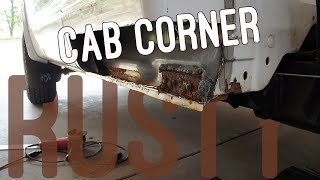
- Cab Corners: This is the most common rust area on the cab. 🎬 Watch this project video on fixing rusty Dodge Dakota cab corners. The design can trap moisture and debris, causing rust to start from the inside out.
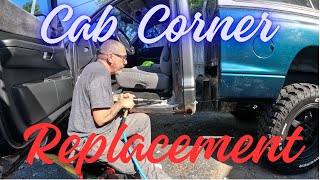
- Rocker Panels: The panels below the doors are also highly susceptible to rust, and their repair is often done at the same time as the cab corners. 🎬 See how to replace both a cab corner and rocker panel.
- Floor Pans: Water entering through rusted cab corners or from wet boots can lead to severe floor pan corrosion.
- Frame: While this article focuses on the cab, it's worth noting that frame rust can also be a significant issue on these trucks and should be inspected simultaneously.
There are no specific Technical Service Bulletins (TSBs) or recalls from the NHTSA related to cab rust for this generation, as it is considered a normal wear-and-tear issue for a vehicle of this age.
Buying a Used Cab Clip or Section

When damage is too extensive for a simple patch panel, sourcing a used structural section (a 'cab clip') is the best option. This provides OEM-quality steel and fitment. Here’s what to inspect before buying.
1. Verify Cab Style Compatibility
The most critical step is matching the cab style. First-generation Dakotas came in two main cab configurations:
- Regular Cab: Standard two-door cab.
- Club Cab: An extended cab with a small rear seating area or storage space.
These two cab styles have different dimensions and are not interchangeable. A cab section from a Regular Cab will not fit a Club Cab, and vice-versa. Always confirm the donor vehicle's cab style matches yours.
2. Physical Inspection
A thorough inspection is crucial to avoid buying a part with the same problems you're trying to fix.
- Check for Hidden Rust: Inspect the inside of the panel as much as possible. Surface rust on the outside is fixable, but deep, flaky rust on the inside is a major red flag. Tap the panel lightly with a hammer or screwdriver handle; a solid 'ting' is good, while a dull 'thud' can indicate thick body filler or hidden rust.
- Look for Previous Repairs: Examine the surface for signs of body filler, sanding marks, or inconsistent paint finish. Use a magnet to check for non-metallic areas, which indicate body filler.
- Assess the Cut Quality: Ensure the salvage yard has provided enough material to work with. The cut should be made well away from the repair area, giving your body shop plenty of room to trim and fit the panel.
- Confirm Geographic Origin: Whenever possible, source large body sections from vehicles that lived in southern or western states. Parts from the 'Rust Belt' are far more likely to have hidden corrosion issues.
Pro Tip: When sourcing a used cab section, ask the supplier for photos of both the inside and outside of the panel. Specifically request close-ups of the lower corners, seams, and any areas that look suspicious.
Installation Overview & Difficulty
Difficulty Rating: 5 out of 5 (Professional Level)
Replacing a structural cab section is not a DIY-friendly task. It requires specialized tools and expertise.
- Bracing the Cab: Before cutting out the old section, the cab must be properly braced internally to prevent it from flexing or losing its shape.
- Cutting and Removal: The damaged section is cut out using tools like plasma cutters or cut-off wheels. Factory spot welds must be drilled out.
- Fitting the New Panel: The replacement section is trimmed and fitted into place. This is a time-consuming process of trimming, grinding, and test-fitting to achieve perfect alignment.
- Welding: The new panel is welded into place using a series of tack welds to control heat and prevent warpage, followed by stitch welding or plug welding at factory spot weld locations. 🎬 Watch a full step-by-step walkthrough of replacing a truck cab corner.
- Finishing: Welds are ground smooth, and the area is treated with seam sealer, primer, and paint to complete the repair.
This is a job for a professional collision repair or restoration shop. Improper installation can compromise the vehicle's structural integrity and safety.
Cost Comparison
Prices can vary significantly based on condition, geographic location, and the size of the section needed.
| Part Type | Estimated Cost | Notes |
|---|---|---|
| New OEM Cab Section | Not Available | These structural parts are no longer produced by Mopar. |
| Aftermarket Cab Corner | $30 - $80 per side | For small rust patch repairs only. |
| Used OEM Cab Clip (Structural Section) | $300 - $900+ | Price depends heavily on size and condition. Does not include freight shipping. |
| Shop Labor for Installation | $2,000 - $5,000+ | Highly variable. Includes cutting, welding, and body/paint finishing. A complete job can easily involve 20-40+ hours of labor. |
Frequently Asked Questions
Can I just patch the rust with fiberglass or body filler?
You can, but it is not a permanent or safe repair for a structural area. Body filler will trap moisture and the rust will continue to grow underneath, often returning within a year. For a lasting repair, the rusted metal must be completely cut out and replaced with new steel.
Is a Regular Cab and Club Cab the same from the front doors back?
No. The Club Cab is longer than the Regular Cab to accommodate the rear storage/seating area. The rear wall, floor, and corner structures are different and parts are not interchangeable between the two.
Do I need to remove the truck bed to replace the cab corners?
Yes, in most cases. To properly access, cut, and weld the cab corners, the truck bed must be unbolted and either removed or shifted backward several inches to provide clearance.
What's the difference between a 'slip-on' cab corner and a full OE-style one?
A 'slip-on' panel is a thinner gauge metal patch designed to be laid over the top of the existing, partially cut-out rocker or corner. It's a cheaper, faster repair but is not as durable or correct as a full OE-style stamped panel, which is designed to fully replace the original metal. For a long-term, quality repair, the OE-style replacement is recommended.
Helpful Videos
![How to Replace a Cab Corner on a Truck [Full Version]](https://img.youtube.com/vi/0zU2hXBcrvM/mqdefault.jpg)
Technical Specifications
OEM Part Numbers: Not Applicable - Sourced as used body cuts
Body panel sections cut to order from donor vehicles. Must match Regular Cab or Club Cab configuration.

The information in this article is provided for general reference and educational purposes only. Vehicle specifications, procedures, and part compatibility can vary by production date, trim level, and region. Always consult your vehicle's factory service manual and verify part numbers before purchasing or performing repairs. Safety-critical components such as airbags, seat belts, and braking systems should be installed by a qualified professional.
- Dodge Dakota:
- 🎬 Helpful Videos
- Understanding 'Cab Clip' vs. 'Cab Corner'
- Symptoms of Cab Corner and Structural Rust Failure
- Known Issues for 1987-1994 Dodge Dakota
- Buying a Used Cab Clip or Section
- 1. Verify Cab Style Compatibility
- 2. Physical Inspection
- Installation Overview & Difficulty
- Cost Comparison
- Frequently Asked Questions
- 🎟️ Get 5% Off