

2014-2018 Mazda 3 Rear Bumper Impact Bar: Why Sedan and Hatchback Parts Don't Mix
This guide covers the critical differences, part numbers, and inspection points for the rear bumper reinforcement on the 2014-2018 Mazda 3 Sedan.
- This part is for the 4-door Sedan ONLY and is not interchangeable with the 5-door Hatchback.
- An impact bar is a one-time-use safety item; if it is bent or damaged in any way, it must be replaced, not repaired.
- A used OEM bar is a safe and cost-effective option, offering superior fit and material quality compared to cheaper aftermarket alternatives.
- Always inspect a used bar for straightness and check for cracks at the welds before purchasing.
Critical Compatibility Warning: Sedan vs. Hatchback
Warning: This rear bumper impact bar is specifically for the 4-door Sedan models of the 2014-2018 Mazda 3. It will NOT fit the 5-door Hatchback. The Sedan and Hatchback have different rear body structures, and their impact bars are not interchangeable. Always confirm you are buying the correct part for your specific body style.
Symptoms of a Damaged Impact Bar
An impact bar doesn't wear out over time; it only fails when damaged in a collision. Since it's hidden behind the bumper cover, the symptoms are almost always visual signs of a recent rear-end impact.
- Misaligned Bumper Cover: After a hit, the plastic bumper cover may look pushed in, crooked, or have uneven gaps with the trunk lid and taillights. This is a strong sign the reinforcement bar underneath is bent.
- Visible Damage: If the bumper cover is cracked or torn away, any bend, crease, or crack in the metal impact bar is a clear sign it needs replacement.
- Trunk Latching Issues: In a moderate impact, a deformed bar can transfer energy to the rear body panel, potentially misaligning the trunk latch and making it difficult to open or close.
Pro Tip: Even a minor impact that only scuffs the plastic bumper cover can be enough to compromise the impact bar. If you've been rear-ended, it's wise to remove the bumper cover for a full inspection of the reinforcement bar.
Buying a Used 2014-2018 Mazda 3 Rear Impact Bar
A used OEM impact bar from an undamaged vehicle is an excellent, cost-effective alternative to a new part. It provides the same safety and fitment as a new OEM part, which is often not true for cheap aftermarket replacements.
Inspection Checklist for a Used Part:
- Check for Straightness: Lay the bar on a flat floor. It should sit perfectly level with no wobbling. Look down its length from both ends to spot any subtle bends or twists.
- Inspect Mounting Points: The mounting plates on each end that bolt to the car's frame must be perfectly flat and the bolt holes perfectly round. Any deformation means the part came from a car that took a serious hit.
- Examine Welds: Check the welds where the mounting plates attach to the main beam. Look for any hairline cracks or signs of stress, which indicate the part was compromised in a collision.
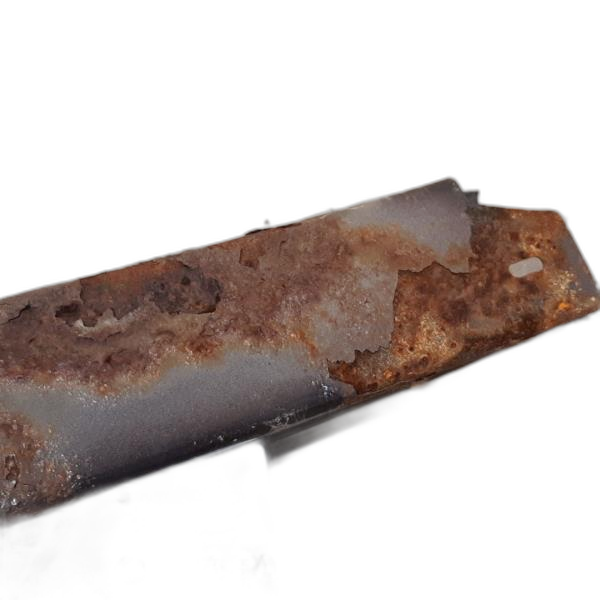
- Look for Rust: Minor surface rust is usually acceptable and can be treated with a rust-inhibiting paint before installation. However, avoid any bar with deep, flaking rust that compromises the metal's thickness.
- Confirm the Part Number: Verify you have part number BHN1-50-260 (or one of its predecessors like BJS7-50-260) to ensure it's for a Sedan.
Why Used OEM is Better Than New Aftermarket
Studies have shown that some aftermarket reinforcement bars can be made from thinner, lower-strength steel and may not fit correctly. In a collision, an aftermarket bar may not absorb or distribute energy as effectively as the original Mazda part, potentially leading to more extensive vehicle damage or reduced passenger safety. A used OEM part guarantees the correct material specifications and perfect fitment.
Cost of Replacement
Prices can vary based on supplier and condition. Here is a general cost estimate:
| Part Type | Estimated Price Range |
|---|---|
| New OEM | $250 - $350 |
| New Aftermarket | $90 - $150 |
| Used OEM | $75 - $175 |
| Shop Labor | $150 - $250 |
Installation Overview
Replacing the rear impact bar is a straightforward job for a DIYer with basic tools. The main task is removing the rear bumper cover.
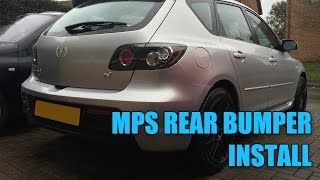
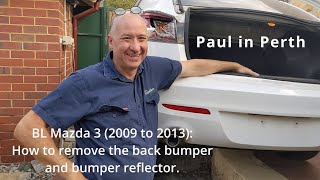
🎬 Watch: How to remove the rear bumper cover- Difficulty: 2 out of 5
- Estimated Time: 1.5 - 2 hours
- Process: The bumper cover is held by screws and clips inside the rear wheel wells, along the bottom edge, and under the trunk opening. Once removed, the impact bar is exposed, attached to the frame rails by several bolts. Simply unbolt the old bar and bolt the new one in its place. 🎬 See this step-by-step rear bumper replacement walkthrough
OEM Part Numbers & Supersessions
Mazda has updated this part over the years. All the numbers below are for the same Sedan-specific part, with later numbers replacing earlier ones. The initial part series was BJS7, which was superseded by the BHN1 series.
- BHN1-50-260B (Latest)
- BHN1-50-260A
- BHN1-50-260
- BJS7-50-260B
- BJS7-50-260A
- BJS7-50-260
Frequently Asked Questions (FAQ)
Can I drive my car with a damaged rear impact bar?
You can, but it is not recommended. The car will operate normally, but your vehicle's rear-end crash protection is significantly reduced. Another impact, even a minor one, could cause much more extensive and expensive damage to the trunk floor and frame.
Why is the Sedan impact bar different from the Hatchback one?
The Sedan has a traditional trunk, making its rear body structure longer and shaped differently than the Hatchback's shorter rear with a large liftgate opening. This requires completely different mounting points and bar shapes to match the vehicle's frame and provide proper protection.
Does the impact bar need to be painted?
No. The impact bar is a structural part hidden behind the painted plastic bumper cover. It comes from the factory with a protective black or grey coating to prevent rust, which is all it needs.
Is there a recall on the 2014-2018 Mazda 3 rear bumper?
No, there are no recalls for the bumper impact bar itself. However, there is a well-known safety recall (NHTSA Campaign 23V-487) for the rearview camera on 2014-2018 Mazda 3 Hatchback models (and the CX-3). The wiring harness can fail, causing a flickering or distorted image. This recall does not apply to the Sedan model or the impact bar.
Helpful Videos
Technical Specifications
OEM Part Numbers: BHN1-50-260 BHN1-50-260A BHN1-50-260B BHN150260 BJS7-50-260 BJS7-50-260A BJS7-50-260B BJS750260 BJS750260A BJS750260B
Material: Steel. Fitment: 2014-2018 Mazda 3 4-Door Sedan Only.
We Have This Part in Stock


The information in this article is provided for general reference and educational purposes only. Vehicle specifications, procedures, and part compatibility can vary by production date, trim level, and region. Always consult your vehicle's factory service manual and verify part numbers before purchasing or performing repairs. Safety-critical components such as airbags, seat belts, and braking systems should be installed by a qualified professional.
- Mazda 3:
- 🎬 Helpful Videos
- 🛍️ Shop This Part
- Critical Compatibility Warning: Sedan vs. Hatchback
- Symptoms of a Damaged Impact Bar
- Buying a Used 2014-2018 Mazda 3 Rear Impact Bar
- Inspection Checklist for a Used Part:
- Why Used OEM is Better Than New Aftermarket
- Cost of Replacement
- Installation Overview
- OEM Part Numbers & Supersessions
- Frequently Asked Questions (FAQ)
- 🎟️ Get 5% Off