

2013-2017 Range Rover L405 Rear Bumper: A Guide to Parking Sensor Options and Fitment
This guide covers common damage, replacement costs, and how to choose the correct used rear bumper by verifying your vehicle's specific parking sensor system.
- The most critical compatibility factor is the parking sensor system; verify if your Range Rover has the standard 4-sensor system or the 6-sensor system for automatic parking before buying.
- A damaged bumper cover is a common cause of persistent parking sensor errors on the dashboard.
- When buying a used bumper, prioritize inspecting the integrity of all plastic mounting tabs and sensor holders, as damage here is difficult to fix.
- Purchasing a used OEM bumper in the correct factory color can save over $500 in painting costs compared to buying a new unpainted cover.
Symptoms of a Damaged Rear Bumper Cover

Failure of a rear bumper cover is almost always due to physical impact. Unlike mechanical parts, it doesn't wear out, but damage can cause both cosmetic and functional problems.
- Visible Cracks, Scuffs, or Holes: The most obvious symptom is visible damage from a collision. Deep scratches, cracks in the plastic, or punctures are common.
- Parking Sensor Malfunctions: A common consequence of a bumper impact is damage to the parking assist system. The dashboard may display a "Parking Aid Not Available" message or similar warning. This can happen even with minor bumper damage if a sensor is knocked out of alignment, its wiring is damaged, or the sensor itself is cracked.
- Loose Fitment or Gaps: After an impact, the bumper's mounting tabs can break. This will cause the bumper to sag, sit crooked, or have uneven gaps where it meets the body panels or tail lights.
- Vibrating or Rattling Noises: A loosely attached bumper cover can vibrate or rattle, especially when driving at higher speeds or closing the tailgate.
Known Issues, Recalls, and Service Bulletins
For the 2013-2017 Range Rover (L405), there are no specific recalls or widespread Technical Service Bulletins (TSBs) directly related to the rear bumper cover itself. Most official notices for this period concern other vehicle systems like airbags, seatbelts, and door latches. However, any issues with the rear bumper are typically tied to the electronic components it houses.
- Parking Sensor Issues: While not a recall, problems with parking sensors are a frequent topic among owners. These issues are often caused by minor impacts, moisture intrusion into the sensor's connector, or sensor failure. A damaged bumper can be the root cause of persistent sensor faults.
Warning: Several recalls were issued for the 2013-2017 Range Rover for issues including faulty seatbelt pretensioners and insecure door latches. It is recommended to check your vehicle's VIN on the NHTSA website to ensure all applicable safety recalls have been addressed.
Decoding Bumper Variants: The Parking Sensor Trap

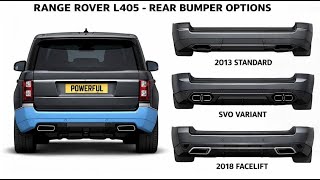
The single most important factor when purchasing a replacement rear bumper cover for a 2013-2017 Range Rover is the vehicle's parking sensor configuration. Using the wrong bumper will result in either non-functional features or empty holes where sensors should be.
- Standard Park Assist: Most L405 models came with a standard system that includes four sensors on the rear bumper.
- Park Assist with Side Flank Guard / Automatic Parking: Higher-trim models or those equipped with advanced parking packages (like parallel park assist) have additional sensors. These bumpers have extra holes on the sides/corners for the flank-guard sensors, for a total of six sensors in the rear bumper.
Part numbers help differentiate these versions:
- LR057291 (supersedes LR038771): Fits vehicles WITHOUT the Park Side Flank Guard option (standard 4-sensor system).
- LR057290: Fits vehicles WITH the Park Side Flank Guard option (6-sensor system for automatic parking).
Pro Tip: Before ordering a part, physically count the number of sensors on your original bumper. This is the only foolproof way to ensure you are buying the correct replacement cover.
Buying a Used 2013-2017 Range Rover Rear Bumper Cover
A used OEM bumper cover is often the best value, providing the fitment and quality of a genuine part at a much lower cost than new. However, careful inspection is key.
What to Inspect on a Used Bumper
- Mounting Tabs and Brackets: Check all mounting points, especially the tabs that clip into the brackets on the quarter panels and the main attachment points under the vehicle. These are often the first things to break in a minor impact and are difficult to repair properly.
- Sensor Holders: Look at the back of the bumper. Ensure the rings that hold the parking sensors in place are intact and not cracked. A broken sensor holder will not secure the sensor correctly, leading to false readings.
- Hidden Cracks: Flex the bumper slightly and inspect it under good light. Minor impacts can cause hairline cracks that are hard to see, especially if the bumper is dirty. Pay close attention to the areas around the sensor holes and the corners.
- Previous Repairs: Look for signs of past repairs, such as sanding marks, filler (Bondo), or paint that doesn't quite match on the inside surface. A poorly repaired bumper will not last and may have structural issues.
Why Used OEM is Often a Better Choice
For a luxury vehicle like the Range Rover, fit and finish are paramount. Used OEM (Original Equipment Manufacturer) bumpers were made by Land Rover for the vehicle, ensuring perfect alignment with body panels, lights, and sensors. Aftermarket bumpers, while cheaper, often suffer from poor fitment, requiring extra labor to align, and may be made from a lower grade of plastic that is more brittle than the original.
Cost to Replace a 2013-2017 Range Rover Rear Bumper Cover
Costs can vary significantly based on the part source and labor rates. Unpainted bumper covers require painting, which adds a substantial cost.
| Part/Service | Estimated Cost (USD) |
|---|---|
| New OEM Bumper Cover (Unpainted) | $750 - $950 |
| New Aftermarket Bumper Cover (Unpainted) | $350 - $550 |
| Used OEM Bumper Cover | $250 - $600 (depending on condition and color) |
| Body Shop Labor (Installation) | $250 - $450 |
| Body Shop Labor (Painting & Blending) | $400 - $800+ |
Note: Finding a used bumper in the correct color can save you hundreds of dollars in paint costs.
Replacement Overview
Replacing the rear bumper cover on an L405 Range Rover is a moderately difficult job that can be done by a patient DIYer with the right tools.
- Difficulty: 3 out of 5
- Estimated Time: 2-3 hours
- Tools Needed: Socket set, trim removal tools, Torx drivers, wheel chocks, jack and jack stands.
High-Level Replacement Steps
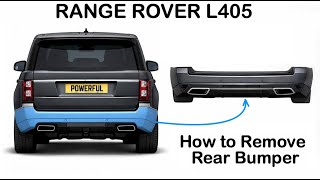
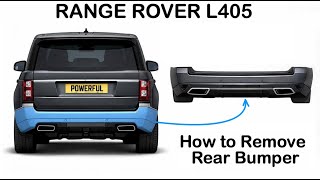
🎬 Watch this step-by-step tutorial on removing the L405 rear bumper- Preparation: Raise and support the rear of the vehicle and remove the rear wheels for better access.
- Wheel Arch Liners: Remove the fasteners holding the rear portion of the wheel arch liners to expose the bumper's side fixings.
- Lower and Side Fixings: Remove the screws and clips along the bottom edge of the bumper and the main bolts/nuts located behind the wheel arch liners that attach the bumper corners to the body.
- Tail Light Removal: The upper part of the bumper is often secured or aligned by the tail lights. You may need to loosen or fully remove the tail lights to release the bumper.
- Disconnect Electrics: With a helper, carefully pull the bumper away from the vehicle. Do not pull it completely off. Reach behind it and disconnect the main wiring harness for the parking sensors and any other electronics.
- Transfer Components: If your replacement bumper is a bare cover, you will need to transfer the parking sensors, wiring harness, and any reflectors or trim pieces from your old bumper to the new one.
- Installation: Installation is the reverse of removal. Have a helper assist in positioning the bumper to avoid scratching the paint. Reconnect the wiring harness before fully seating the bumper.
Frequently Asked Questions (FAQ)
Can I install a bumper with automatic park assist on my car that doesn't have it?
You can physically install it, but you will have two empty sensor holes on the corners of the bumper. It is better to find the correct bumper for your vehicle's specific option package.
Do I need to have the parking sensors recalibrated after replacing the bumper?
Generally, no. If you use the original sensors in their correct locations on a properly fitting OEM bumper, recalibration is not typically required. The system should function normally upon reconnection.
Why is a used OEM bumper in the same color a better deal than a new aftermarket one?
A new aftermarket bumper costs around $400, but then requires another $400-$800 for professional painting. A used OEM bumper in the correct color might cost $500 but saves you the entire cost and hassle of painting, while guaranteeing a perfect factory fit.
My bumper has a small crack. Can it be repaired?
Yes, plastic bumper repair is possible for minor cracks and punctures. Body shops use plastic welding techniques to fix the damage before refinishing the surface. However, for larger breaks or damage to mounting tabs, replacement is often a more reliable and cost-effective solution.
Part Number Reference

| Part Number | Description | Notes |
|---|---|---|
| LR057291 | Rear Bumper Cover, Primed | For vehicles WITHOUT Park Side Flank Guard. Supersedes LR038771. |
| LR038771 | Rear Bumper Cover, Primed | Older part number for vehicles WITHOUT Park Side Flank Guard. |
| LR057290 | Rear Bumper Cover, Primed | For vehicles WITH Park Side Flank Guard / Automatic Parking. |
Helpful Videos
Technical Specifications
OEM Part Numbers: LR038771 LR040371 LR057290 LR057291
Material: Plastic composite. Comes primed and unpainted from the factory. Available in two main variants based on parking sensor configuration (4-hole or 6-hole).

The information in this article is provided for general reference and educational purposes only. Vehicle specifications, procedures, and part compatibility can vary by production date, trim level, and region. Always consult your vehicle's factory service manual and verify part numbers before purchasing or performing repairs. Safety-critical components such as airbags, seat belts, and braking systems should be installed by a qualified professional.
- Land Rover Range Rover:
- 🎬 Helpful Videos
- Symptoms of a Damaged Rear Bumper Cover
- Known Issues, Recalls, and Service Bulletins
- Decoding Bumper Variants: The Parking Sensor Trap
- Buying a Used 2013-2017 Range Rover Rear Bumper Cover
- What to Inspect on a Used Bumper
- Why Used OEM is Often a Better Choice
- Cost to Replace a 2013-2017 Range Rover Rear Bumper Cover
- Replacement Overview
- High-Level Replacement Steps
- Frequently Asked Questions (FAQ)
- Part Number Reference
- 🎟️ Get 5% Off