

2011-2014 Chrysler 300 Front Bumper: Navigating SRT, Sensor, and Trim Variations
This guide covers the critical differences between bumper styles and how to choose the right used OEM cover for your 2011-2014 Chrysler 300.
- Before buying, you must verify if your 300 has the Standard or SRT-style bumper, and whether it requires holes for parking sensors.
- When inspecting a used bumper, the condition of the mounting tabs is more important than cosmetic scratches; repaired tabs often fail.
- A used OEM bumper generally provides a better fit than a new, cheaper aftermarket bumper, which may arrive folded and distorted.
- Swapping between bumper styles (e.g., Standard to SRT) is not a simple bolt-on process and requires additional parts like grilles and brackets.
Key Bumper Variations for 2011-2014 Chrysler 300

Choosing the correct front bumper cover for a 2011-2014 Chrysler 300 requires careful attention to your vehicle's specific trim and options. The main differences are the overall shape (standard vs. performance) and the presence of holes for optional sensors. Using the wrong bumper will result in poor fitment and non-functional features.
Standard vs. SRT & John Varvatos Models
There are two primary front fascia styles for this generation of Chrysler 300:
- Standard Bumper: Found on most 300, 300C, Limited, and S models, this is the most common style. It has a classic, luxury-oriented design.
- SRT / Performance-Style Bumper: The high-performance SRT8 and special edition John Varvatos models feature a more aggressive front bumper. This design has larger lower grille openings for improved cooling and a more sculpted, sporty appearance. These bumpers are not a direct swap for a standard model; they require different grilles, brackets, and sometimes modifications to accommodate features like adaptive cruise control sensors.
Warning: An SRT bumper will not bolt directly onto a standard model without corresponding SRT grilles and potentially other mounting hardware. Always verify your vehicle's original style before purchasing a replacement.
Parking Assist and Other Sensor Cutouts
Beyond the overall shape, you must check for sensor compatibility:
- Park Assist Sensors: Higher trims were available with a factory parking assist system, which uses small, circular sensors embedded in the bumper cover. Covers for these models have pre-drilled holes. A bumper without these holes cannot be easily modified to accept the factory sensors.
- Adaptive Cruise Control (ACC): Some models equipped with ACC have a sensor located in the lower grille area. While the sensor itself mounts behind the bumper, swapping between a standard and SRT bumper can require relocating the ACC sensor and using a different mounting bracket, which can be a complex and expensive task.
Symptoms of a Failing Bumper Cover

Failure of a bumper cover is almost always due to physical damage. Unlike mechanical parts, it won't cause driveability issues unless the damage is severe enough to compromise safety.
- Visible Cracks, Scrapes, or Holes: The most obvious symptom is damage from a collision with another vehicle, a stationary object, or road debris.
- Poor Fitment or Gaps: After a minor impact, a bumper may look intact but have broken mounting tabs. This can cause it to sag, stick out at the sides, or show a large, uneven gap below the headlights or grille.
- Loose or Vibrating at Speed: If mounting points are broken, the bumper cover can vibrate or flap, especially at highway speeds. This indicates it is not secure and could potentially detach from the vehicle.
Buying a Used Front Bumper Cover: What to Check

A used OEM bumper cover is often a better choice than a new aftermarket one due to superior fit, material quality, and durability. However, careful inspection is key.
Pro Tip: New aftermarket bumpers are sometimes shipped folded to save on costs, which can create permanent creases or distortion. A used OEM cover that has not been folded will typically fit better right out of the box.
Inspection Checklist:
- Verify the Exact Style: First and foremost, confirm it's the correct bumper for your car (Standard vs. SRT) and has the right sensor holes. Take a photo of your car's bumper to compare.
- Check All Mounting Tabs: This is the most critical inspection point. Carefully examine all tabs, especially at the top where it meets the grille and on the sides where it attaches to the fenders. Look for stress marks (white lines in the plastic) or signs of plastic welding or epoxy repairs. A repaired tab is a major red flag as it will likely break again.
- Look for Hidden Cracks: Inspect the entire surface, inside and out, for cracks. Pay close attention to the areas around fog lights and the lower grille, which are common impact zones.
- Assess Previous Repairs: Check the backside of the bumper for signs of body filler, fiberglass patches, or excessive sanding. A thick, uneven texture or different color on the inside suggests a previous, potentially low-quality repair.
- Examine the Paint: If the used bumper is the same color as your car, check for paint quality. Look for flaking, peeling, or a poor color match. Expect to have any used bumper repainted for a perfect match, but a good starting surface saves on prep work.
Known Issues, Recalls, and TSBs
While there are no recalls specifically for the bumper cover itself, several recalls and Technical Service Bulletins (TSBs) are relevant to the 2011-2014 Chrysler 300.
- Recalls: Major recalls for this generation include issues with the alternator that could lead to stalling (NHTSA Recall No. 14V-634) and airbag inflators that could rupture (NHTSA 19V-018). These repairs do not directly involve the bumper but are important safety notes for any owner.
- TSBs: Chrysler has issued numerous TSBs for the 300. TSB #3100121 provides guidance on inspecting steering system components after a collision, which is relevant if you are replacing a bumper due to a front-end impact. Other owner complaints sometimes mention poor bumper alignment from the factory or after repairs, leading to noticeable gaps.
Replacement Overview
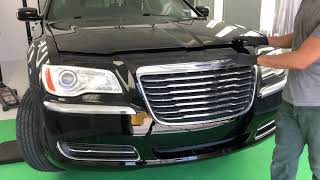
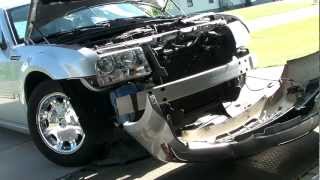
Replacing the front bumper cover on a 2011-2014 Chrysler 300 is a manageable DIY project for someone with basic tools and patience. The process involves removing a series of bolts, screws, and plastic push-pins. All grilles, trim, and accessories must be transferred from the old bumper to the new one.
- Tools Required: Flathead screwdriver, Phillips screwdriver, trim removal tool, and a socket wrench with 7mm and 10mm sockets.
- Process:
- Remove the upper radiator cover push-pins and bolts under the hood.
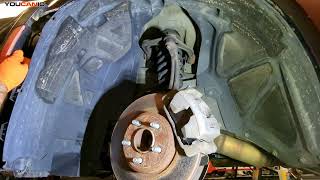
- Remove the screws and push-pins inside each front wheel well that secure the bumper to the fender liner and bracket.
- Remove the screws along the bottom edge of the bumper that attach it to the engine splash shield.
- Carefully pull the sides of the bumper cover away from the fender brackets to release the clips.
- Pull the bumper forward slightly and disconnect any electrical connectors for fog lights and parking sensors before fully removing it.
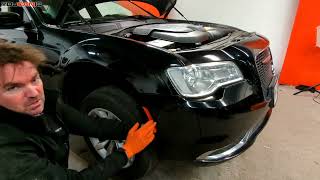
- Installation is the reverse of removal. 🎬 See this detailed step-by-step bumper removal video Test fit the new bumper before transferring all components.
Cost Comparison
The cost for a replacement front bumper cover can vary significantly based on the source and whether it comes painted.
| Part Type | Estimated Cost (Part Only) |
|---|---|
| New OEM (Primed) | $530 - $790 |
| New Aftermarket (Primed) | $180 - $350 |
| New Aftermarket (Pre-Painted) | $530 - $850 |
| Used OEM | $200 - $450+ |
| Shop Labor (Installation & Painting) | $400 - $800+ |
Frequently Asked Questions (FAQ)
Will a bumper from a 2015 or newer Chrysler 300 fit my 2014 model?
No, not directly. The 2015 model year marked a significant facelift for the Chrysler 300. While some enthusiasts have performed this swap, it requires changing the headlights, grille, and potentially the radiator core support, making it a complex conversion.
Can I add fog lights to a bumper that doesn't have them?
Yes. On many standard bumpers, the fog light openings are simply covered by blank plastic bezels. You can typically purchase the fog lights, wiring, and correct bezels to install them. The bumper cover itself is often universal for models with and without fog lights.
How can I tell if I have an SRT or standard bumper?
The SRT bumper has a much larger, more aggressive lower grille opening and a more pronounced 'chin' spoiler design. The standard bumper has a more subtle lower opening, often split by a horizontal bar or featuring chrome accents. Compare your bumper to online images of both a 300C and a 300 SRT8 from the same year.
Is it better to repair my cracked bumper or buy a used one?
For small cracks or scratches, a professional repair can be effective. However, if the bumper has major cracks, shattered sections, or broken mounting tabs, replacement is usually the better option. A used OEM bumper often provides a more reliable and cost-effective solution than repairing extensive damage or buying a new aftermarket part.
Helpful Videos
Technical Specifications
OEM Part Numbers: 11LX100AA 5182021AB-PFM 68071976AA 68071976AB 68127938AA 68127938AD 68127938AE 68127939AA 68127939AD 68127939AE 68146898AA 68212551AA
Material: Polypropylene. Finish: Primed (unpainted).
We Have This Part in Stock


The information in this article is provided for general reference and educational purposes only. Vehicle specifications, procedures, and part compatibility can vary by production date, trim level, and region. Always consult your vehicle's factory service manual and verify part numbers before purchasing or performing repairs. Safety-critical components such as airbags, seat belts, and braking systems should be installed by a qualified professional.
- Chrysler 300:
- 🎬 Helpful Videos
- 🛍️ Shop This Part
- Key Bumper Variations for 2011-2014 Chrysler 300
- Standard vs. SRT & John Varvatos Models
- Parking Assist and Other Sensor Cutouts
- Symptoms of a Failing Bumper Cover
- Buying a Used Front Bumper Cover: What to Check
- Known Issues, Recalls, and TSBs
- Replacement Overview
- Cost Comparison
- Frequently Asked Questions (FAQ)
- 🎟️ Get 5% Off