

2006-2014 Honda Ridgeline Bumper Bracket Guide: Fixing Gaps and Sagging
Your definitive guide to diagnosing, replacing, and sourcing the correct front and rear bumper brackets for the first-generation Honda Ridgeline.
- The most common sign of a failed bracket is a sagging, loose, or misaligned bumper cover.
- When buying a used bracket, prioritize inspecting the mounting points for cracks or damage, as this is crucial for a secure fit.
- A used OEM bracket is often superior to a cheap new aftermarket one, as it guarantees perfect factory fitment without modification.
- CRITICAL: All 2006-2014 Ridgelines from salt-belt states are under recall for severe rear frame rust that can cause the fuel tank to detach.
Symptoms of a Damaged Bumper Bracket
Failure of a bumper bracket is almost always caused by a physical impact, from a minor parking lot bump to a more significant collision. The symptoms are typically easy to spot.
- Bumper Misalignment or Sagging: This is the most common sign. You will notice an uneven gap between the bumper cover and the body panels, like the fenders or headlights. One side of the bumper may hang lower than the other.
- Loose Bumper Cover: If you can physically move or wiggle the bumper cover with your hand, it's a clear indication that the brackets holding it are broken or loose.
- Rattling or Clunking Sounds: A broken bracket can allow the bumper cover to vibrate against the frame or other components, causing rattling noises, especially when driving over bumps or at low speeds.
- Visible Cracks or Broken Tabs: In some cases, you may be able to see a cracked bracket or broken plastic mounting tabs by looking in the wheel well or from under the vehicle.
Critical Related Issue: Rear Frame Corrosion Recall (NHTSA 22V-430)
While not a bumper bracket issue, all 2006-2014 Ridgeline trucks sold or ever registered in salt-belt states are under a major recall for severe frame rust. De-icing agents can cause the rear frame to corrode where the fuel tank is mounted, potentially causing the tank to detach, leak fuel, and create a fire risk. If you are inspecting or replacing rear bumper components, it is critical to also inspect the frame in this area. A dealer will inspect the vehicle for free and may repair it or even offer to repurchase the truck if the corrosion is too severe.
Buying a Used 2006-2014 Ridgeline Bumper Bracket: What to Check
Since bumper brackets are not wear-and-tear items, a used OEM bracket from an undamaged vehicle is an excellent, cost-effective option. They often provide better fitment than new aftermarket alternatives. Here’s what to inspect before buying:
- Inspect All Mounting Points: Carefully check every hole where a screw or clip attaches. Ensure the plastic isn't cracked, stripped, or broken. This is the most critical area for ensuring a secure fit.
- Look for Cracks and Stress Marks: Bend the part slightly and look for any cracks, fractures, or white-ish stress lines in the plastic. A bracket that was involved in even a minor impact may have hidden damage that will cause it to fail prematurely.
- Verify Part Numbers: The front brackets are different for the left (driver) and right (passenger) sides. The same is true for the rear. Make sure you are buying the exact part for the position you need. See the part number list below for reference.
- Avoid Repaired Brackets: Pass on any bracket that shows signs of previous repair, such as glue, epoxy, or plastic welding. These repairs rarely hold up and will not provide the structural integrity of an original part.
Pro Tip: For a part that depends on precise alignment, a used OEM bracket is almost always a better choice than a new, low-cost aftermarket one. Aftermarket body parts are notorious for slight variations that can lead to fitment issues and uneven panel gaps.
Cost of Replacing a Ridgeline Bumper Bracket
Costs can vary based on part source and whether you perform the labor yourself. The main labor involves removing and reinstalling the bumper cover to access the brackets.
| Item | Estimated Cost |
|---|---|
| New OEM Bracket (Dealer) | $25 - $40 per bracket |
| New Aftermarket Bracket | $20 - $45 per bracket |
| Used OEM Bracket | $20 - $50 per bracket |
| Shop Labor | $150 - $300 |
Replacement Difficulty: Ridgeline Bumper Bracket
- Difficulty Rating: 2 out of 5 (Easy to Moderate)
- Estimated Time: 1.5 hours
- DIY Feasible: Yes, this is a very manageable job for a DIYer with basic tools.
The replacement process primarily involves removing the bumper cover. A video guide demonstrates the process, which includes:
- Removing a series of plastic push-clips from the top of the grille and bumper area.
- Removing screws inside each front wheel well that attach the bumper to the fender.
- Removing several bolts on the underside of the bumper.
- Carefully unsnapping the bumper cover from the brackets on each side and pulling it forward. If you have fog lights, you will need to disconnect them before fully removing the bumper.
- Once the cover is off, the brackets are typically held to the frame with just a few 10mm bolts and are simple to unbolt and replace.
Part Numbers for Reference
These brackets fit all trims of the Honda Ridgeline from 2006 through 2014.
| Position | OEM Part Number | Common Name |
|---|---|---|
| Front Left (Driver Side) | 71196-SJC-A00 | Spacer, L Front Bumper Side |
| Front Right (Passenger Side) | 71191-SJC-A00 | Spacer, R Front Bumper Side |
| Rear Left (Driver Side) | 71586-SJC-A00 | Spacer, L Rear Bumper |
| Rear Right (Passenger Side) | 71581-SJC-A00 | Spacer, R Rear Bumper |
Frequently Asked Questions (FAQ)
Do I need to replace the bumper bracket after a minor bump?
Even a small impact can crack the plastic bracket or break a mounting tab. If your bumper is now sagging or has a gap, the bracket is likely damaged and should be replaced to ensure proper fit and support.
Is the left bumper bracket the same as the right one?
No, the front and rear bumper brackets are side-specific. They are mirror images of each other and are not interchangeable. You must order the correct part for the driver (left) or passenger (right) side.
Can I repair a cracked bumper bracket?
While it's sometimes possible to use plastic welding or strong epoxy, it is generally not recommended. A repaired bracket will not have the same structural integrity as an original part and is likely to fail again. Given the low cost of a used OEM or new aftermarket replacement, replacing the part is the best solution.
Why is my new aftermarket bumper not fitting even with new brackets?
This is a common issue with aftermarket body parts. The quality and precision can vary greatly, and they may not match OEM specifications perfectly. This can result in alignment issues even if the brackets are correct. This is why using an OEM bumper cover with OEM brackets (new or used) is the best way to guarantee a perfect fit.
Technical Specifications
OEM Part Numbers: 71196-SJC-A00 (Front Left) 71191-SJC-A00 (Front Right) 71586-SJC-A00 (Rear Left) 71581-SJC-A00 (Rear Right)
Material: Typically injection-molded plastic (ABS or Polypropylene). Steel brackets are also used in the bumper system but these part numbers refer to the plastic spacers/retainers.
We Have This Part in Stock
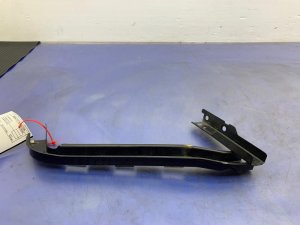

The information in this article is provided for general reference and educational purposes only. Vehicle specifications, procedures, and part compatibility can vary by production date, trim level, and region. Always consult your vehicle's factory service manual and verify part numbers before purchasing or performing repairs. Safety-critical components such as airbags, seat belts, and braking systems should be installed by a qualified professional.
- Honda Ridgeline: