

1991-1993 Dodge Stealth Rear Bumper: A Guide to R/T, Turbo, and Base Model Differences
Learn to identify the correct rear bumper for your Stealth's trim level and inspect a used part for hidden damage before you buy.
- Bumper style is trim-specific: Base/ES models have a single exhaust cutout, while R/T and R/T Turbo models have dual cutouts.
- When buying used, the most critical inspection point is the integrity of all plastic mounting tabs and slots.
- A Mitsubishi 3000GT bumper will physically bolt on but has completely different styling and is not a direct cosmetic replacement.
- There are no specific recalls or TSBs for the rear bumper itself; any known issues are related to physical damage.
Understanding the 1991-1993 Dodge Stealth Rear Bumper Variants

For the first generation of the Dodge Stealth (1991-1993), there were two distinct rear bumper styles that corresponded to the vehicle's trim level. Choosing the correct one is essential for proper fit and appearance.
Base and ES Models
The Base and ES (ES was available from 1991-1993) models feature a simpler, smoother rear bumper design. The most notable characteristic is a single exhaust cutout on the driver's side. These bumpers were part of a body package that often included a black or gray plastic trim piece that circled the entire mid-section of the car. They do not have the integrated lower air dam found on the higher-performance models.
R/T and R/T Turbo Models
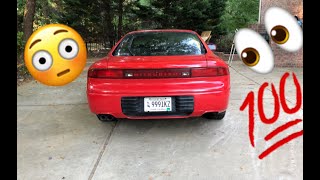
The R/T and R/T Turbo models were equipped with a more aggressive-looking rear bumper. The key identifier for these bumpers is the presence of dual cutouts to accommodate the twin-exhaust system. This bumper style also features an integrated lower air dam that adds to its sporty appearance. Visually, the R/T and R/T Turbo models are very similar from the rear.
Compatibility Warning: While the bumpers are physically interchangeable between trim levels, the exhaust cutouts are the main issue. You cannot properly fit an R/T or R/T Turbo bumper on a Base or ES model without modifying the exhaust, and vice-versa.
Common Symptoms of Bumper Failure

Failure of a bumper cover is almost always due to physical impact or environmental exposure. There are no electronic components in the bumper itself, so you will not see any dashboard warning lights or receive diagnostic trouble codes.
- Cracks and Fractures: Impacts can cause the plastic to crack. These can range from small hairline fractures to large splits that compromise the bumper's integrity.
- Deep Scratches and Gouges: Contact with other objects can scrape away paint and dig into the plastic material itself.
- Broken or Damaged Mounting Tabs: The bumper attaches to the car's body and reinforcement bar with a series of plastic tabs and bolt holes. Even a minor impact can break these tabs, causing the bumper to become loose, sag, or have uneven panel gaps.
- Paint Failure: Over time, sun exposure and weather can cause the paint to peel, fade, or the clear coat to delaminate, resulting in a dull, chalky appearance.
Buying a Used 1991-1993 Stealth Rear Bumper: A Buyer's Guide

Since new OEM bumpers are expensive and often discontinued, a quality used OEM part is usually the best option. Here’s what to look for to ensure you get a good part.
Step 1: Verify the Correct Trim Level
Before anything else, confirm you are buying the right bumper for your car. Check for single (Base/ES) or dual (R/T, R/T Turbo) exhaust cutouts. A seller may not know the exact trim a part came from, so use visual cues to verify.
Step 2: Physical Inspection Checklist
- Inspect All Mounting Points: This is the most critical check. Carefully examine every tab, slot, and mounting hole on the top, bottom, and sides of the bumper. Broken tabs are a major red flag, as they can make it impossible to align the bumper correctly.
- Look for Hidden Repairs: Check the back side of the bumper for fiberglass patches or plastic welding repairs. On the painted side, look for a wavy finish, sanding marks under the paint, or areas where the texture doesn't match. Gently flexing the bumper can sometimes reveal old body filler (Bondo) repairs by showing small cracks.
- Check for Warping: Lay the bumper on a flat surface to check for any major twisting or warping, which can happen from improper storage or a significant impact.
- Assess the Overall Condition: Distinguish between surface-level cosmetic issues and deep structural damage. Deep gouges are much harder to repair than light scratches.
Dodge Stealth vs. Mitsubishi 3000GT Bumpers
The Dodge Stealth and Mitsubishi 3000GT were built on the same platform, and their core mounting points are the same. This means a 1991-1993 3000GT rear bumper will physically bolt onto a 1991-1993 Stealth. However, the styling is completely different. The taillights and rear garnish panels are not interchangeable, and the bumper shapes are unique to each car. If you want to maintain the original look of your Stealth, you must use a Stealth-specific bumper.
🎬 Watch this video guide on converting a Stealth rear bumper to a 3000GT style.Known Issues, Recalls, and Technical Service Bulletins (TSBs)
There have been no recalls or TSBs issued by the NHTSA specifically for the rear bumper assembly of the 1991-1993 Dodge Stealth. Recalls for this vehicle pertain to other issues such as potential oil leaks from the all-wheel-drive transfer case on Turbo models, seatbelt buttons, and front brake hoses.
Replacement Guide
Installation Difficulty
- Rating: 2 out of 5
- Estimated Time: 1.5 - 2.5 hours
- DIY Feasible: Yes, for a patient DIYer with basic tools.
Step-by-Step Overview
Replacing the rear bumper is a straightforward process that involves removing several bolts and trim pieces. A helper can make handling the large, flexible bumper cover much easier.
- Empty the Trunk: Remove the spare tire cover and all three rear storage compartment bins to access the nuts inside the trunk.
- Remove Lights and Garnish: The center taillight garnish panel and the main taillight assemblies must be removed. They are held on by nuts accessible from inside the trunk area.
- Unbolt the Bumper: Bolts and screws are located in several places:
- Inside each rear wheel well (typically three 10mm bolts).
- Underneath the bumper (around five plastic screw-in clips).
- Inside the trunk area, on the outer vertical edges.
- Behind the license plate area.
- Slide the Bumper Off: Once all fasteners are removed, the bumper cover slides straight back off the vehicle. 🎬 Watch this step-by-step video on removing the rear bumper cover.
- Installation: Installation is the reverse of removal. Start a few bolts by hand to hang the bumper before tightening everything down to ensure proper alignment.
Pro Tip: When removing the plastic clips from underneath the bumper, unscrew the center pin a few turns first, then use a trim removal tool to pop the entire clip out. This prevents them from breaking.
Cost Comparison: New vs. Used
Prices can vary significantly based on condition, availability, and location. Painting costs are a major factor for any unpainted bumper.
| Part Type | Estimated Price Range | Notes |
|---|---|---|
| New OEM | $1000+ (if available) | Extremely rare and expensive. Often discontinued. |
| New Aftermarket | $220 - $400+ | Fit and quality can vary. May require more prep work before painting. |
| Used OEM | $350 - $750 | Best balance of fit and value. Price depends heavily on condition. |
| Reconditioned OEM | $480 - $550+ | A used OEM bumper that has been professionally repaired and primed. Ready for paint. |
| Shop Labor (Installation) | $150 - $300 | Typical labor cost for bumper removal and installation, not including paint. |
| Shop Labor (Paint) | $300 - $800+ | Cost to prep and paint a bumper can vary widely based on paint color and shop rates. |
OEM Part Numbers
The following OEM part numbers are associated with the 1991-1993 Dodge Stealth rear bumper. Always verify the specific application with the seller.
- MB831736: Fits R/T and R/T Turbo models.
- MB831738: Fits R/T models (non-turbo).
- MB698875: Superseded by MB831738.
- MB831879: Fits Base and ES models.
- MB698873 (Chrysler)
- MB888793 (Chrysler/Dodge)
- MB698872 (Dodge)
- MB640580 (Mitsubishi - Note: This may be for a 3000GT, verify styling) 🎬 See how to remove a 3000GT rear bumper in this walkthrough.
Frequently Asked Questions (FAQ)
Will a rear bumper from a 1994-1996 Stealth fit my 1992 Stealth?
While the mounting points are similar, the styling of the second-generation (1994-1996) Stealth bumpers is different, particularly on the R/T models which gained a ribbed texture. For a correct factory appearance, it is best to use a bumper from the 1991-1993 model years.
Will a Mitsubishi 3000GT rear bumper fit my Dodge Stealth?
Physically, it will bolt on, as the underlying chassis is the same. However, the visual design, including the shape and the interface with the taillights and center garnish, is completely different. It is not a direct cosmetic match.
Can I put an R/T dual-exhaust bumper on my Base model?
You can, but you will have an empty exhaust cutout on the passenger side unless you install a custom or R/T-style dual exhaust system. The bumper itself will mount correctly, but it will not look right with the stock single-outlet exhaust.
How can I tell if a used bumper has been repaired before?
Look at the back of the bumper for signs of repair like fiberglass mesh, adhesive, or melted plastic. From the front, look for paint that doesn't quite match, a wavy or uneven surface, or small cracks appearing in the paint, which can indicate body filler underneath.
Helpful Videos


Technical Specifications
OEM Part Numbers: MB698873 MB831736 MB888793 MB698872 MB698875 MB831738 MB831879 MB640580
Material: Plastic/Polyurethane. Weight (Bumper Cover Only): Approx. 15-20 lbs. Weight (Reinforcement Bar): Approx. 37 lbs.

The information in this article is provided for general reference and educational purposes only. Vehicle specifications, procedures, and part compatibility can vary by production date, trim level, and region. Always consult your vehicle's factory service manual and verify part numbers before purchasing or performing repairs. Safety-critical components such as airbags, seat belts, and braking systems should be installed by a qualified professional.
- Dodge Stealth:
- 🎬 Helpful Videos
- Understanding the 1991-1993 Dodge Stealth Rear Bumper Variants
- Base and ES Models
- R/T and R/T Turbo Models
- Common Symptoms of Bumper Failure
- Buying a Used 1991-1993 Stealth Rear Bumper: A Buyer's Guide
- Step 1: Verify the Correct Trim Level
- Step 2: Physical Inspection Checklist
- Dodge Stealth vs. Mitsubishi 3000GT Bumpers
- Known Issues, Recalls, and Technical Service Bulletins (TSBs)
- Replacement Guide
- Installation Difficulty
- Step-by-Step Overview
- Cost Comparison: New vs. Used
- OEM Part Numbers
- Frequently Asked Questions (FAQ)
- 🎟️ Get 5% Off