

2010-2011 Toyota Prius Front Bumper: A Guide to Headlights, Sensors, and Fitment
This guide details the critical variations in the 2010-2011 Toyota Prius front bumper, ensuring you get the right part by matching it to your car's specific options.
- Compatibility is critical: You must match the bumper to your car's options for Headlight Washers (LED lights), Pre-Collision System, and Parking Sensors.
- Sagging bumper sides are common and usually fixed by replacing a small, inexpensive bracket under the headlight.
- Used OEM bumpers offer superior fit compared to new aftermarket ones, which are often shipped folded and have alignment issues.
- The Pre-Collision System (PCS) sensor is located behind the grille emblem; a minor impact can knock it out of alignment and trigger a dashboard warning.
Variant Differences: The Key to a Correct Fit

The single most important factor when replacing the front bumper on a 2010-2011 Prius is matching the new part to the specific options your vehicle has. Ordering the wrong bumper cover will result in it not fitting or lacking the necessary provisions for your car's features. There are three main variations to check before you buy.
1. Headlight Type: Halogen vs. LED
Higher trim levels of the Prius were available with LED headlights, which came bundled with pop-out headlight washers. Base models used standard halogen headlights and did not have washers.
- Models with LED Headlights: The bumper cover will have rectangular cutouts for the headlight washer nozzles, which sit flush with the bumper surface.
- Models with Halogen Headlights: The bumper cover is smooth and has no cutouts for headlight washers.
Pro Tip: The easiest way to tell is to look at your bumper directly below the headlights. If you see two small, body-colored squares, you have the headlight washer system and need the corresponding bumper cover.
2. Pre-Collision System (PCS) / Adaptive Cruise Control
The optional Pre-Collision System (PCS), often packaged with Dynamic Radar Cruise Control, uses a radar sensor mounted at the front of the vehicle. This sensor's location affects the type of grille and emblem required.
- Models with PCS: The millimeter-wave radar sensor is located behind the Toyota emblem in the upper grille. The emblem itself is a special, flat-surfaced piece that is transparent to radar waves. 🎬 Watch this quick overview of the Prius Pre-Collision System The bumper cover itself may be the same, but the grille and emblem are specific to this system. A damaged or misaligned bumper can cause a "PCS Unavailable" warning message.
- Models without PCS: These vehicles use a standard, three-dimensional chrome Toyota emblem.
3. Parking Assist Sensors
Some Prius models were equipped with parking assist, which uses small, circular ultrasonic sensors embedded in the bumper cover.
- Models with Parking Assist: The bumper cover will have small, round holes for these sensors.
- Models without Parking Assist: The bumper cover surface is solid, with no sensor holes.
Warning: A bumper cover for a car without parking sensors cannot be easily modified to accept them. You must purchase the correct cover with the sensor holes and mounting brackets already present.
Symptoms of a Damaged or Failing Front Bumper

Aside from obvious collision damage, there are other signs that your front bumper assembly may need attention.
- Poor Panel Gaps: Uneven gaps between the bumper, fenders, and headlights are a common sign of previous low-quality repair or broken mounting clips. Forum users often report that the side of the bumper won't stay clipped into the bracket under the headlight, causing it to sag.
- Scraping on Driveways: The 2010-2011 Prius has a relatively low front clearance. Frequent scraping on curbs or steep driveways is common and can damage the lower part of the bumper cover and the undertray panels.
- Loose Undertray or Bumper: The plastic undertray that connects to the bottom of the bumper can be torn or have its mounting points broken from impacts with parking blocks or road debris. This can cause the bottom of the bumper to become loose or drag.
- PCS or Parking Sensor Warnings: An impact can damage or misalign the radar sensor behind the grille emblem or the small parking sensors, causing persistent error messages on the dashboard.
Buying a Used 2010-2011 Prius Front Bumper: What to Check

A used OEM (Original Equipment Manufacturer) bumper can be a great value, offering better fit and quality than a cheap aftermarket part. However, careful inspection is crucial.
- Verify the Exact Configuration: First, confirm if the donor car had halogen or LED lights (with washer holes), Pre-Collision System, and parking sensors. Use your own vehicle as the reference. A part from a car with different options will not fit correctly.
- Inspect All Mounting Tabs: The most critical areas are the plastic tabs and slots that secure the bumper to the fenders, grille, and undertray. Pay special attention to the tabs on the sides that clip into the brackets directly under the headlights; these are notoriously fragile and essential for proper alignment.
- Check for Previous Repairs: Look at the backside of the bumper cover. Check for signs of plastic welding, body filler (Bondo), or fiberglass patches. These repairs can fail, crack, or cause paint to peel over time.
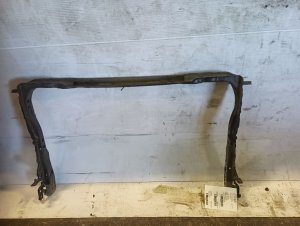
- Examine the Included Components: A "bumper assembly" should ideally include the painted cover, the upper and lower grilles, the foam energy absorber, and the steel reinforcement bar. Check the foam for any signs of compression and the steel bar for bends or rust.
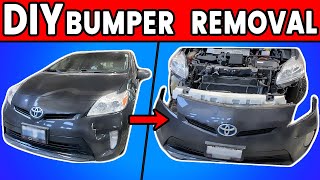
- Why Used OEM is a Smart Choice: New aftermarket bumper covers are often shipped folded to save costs, which can create permanent creases or imperfections. They are also notorious for poor fitment, leading to unsightly panel gaps that even professional body shops struggle to correct. 🎬 See a full walkthrough on replacing the front bumper A used OEM part, even with minor cosmetic scratches that need repainting, will almost always align better than a non-certified aftermarket equivalent.
Known Issues, Recalls, and Service Bulletins
While there are no recalls or TSBs specifically for the bumper assembly itself, several major recalls for the 2010-2011 Prius are relevant to owners.
- Brake Actuator Software Recall: A significant recall was issued for 2010 models due to inconsistent brake feel on slick surfaces, caused by ABS software programming. Dealers performed a software update to correct the issue.
- Curtain Shield Airbag Recall: Certain 2010-2012 Prius models were recalled because a weld in the curtain airbag inflator could crack, potentially causing parts of the inflator to enter the cabin.
- Hybrid System Inverter Recall: A recall was issued for 2010-2014 models where transistors in the hybrid system's inverter could fail, causing the vehicle to enter a limp-home mode with reduced power.
No recalls or TSBs directly address the bumper structure, paint, or related sensors for these model years.
Cost & Labor for Bumper Replacement
The cost to replace a 2010-2011 Prius front bumper varies significantly based on the parts used and labor for painting.
| Part/Service | Estimated Cost | Notes |
|---|---|---|
| New OEM Bumper Cover (Unpainted) | $210 - $310 | Part only, from a Toyota dealer. Requires professional painting. |
| New Aftermarket Bumper Cover (Unpainted) | $95 - $160 | Often lower quality plastic and may have fitment issues. Some are shipped folded. |
| Used OEM Bumper Assembly | $150 - $400+ | Price depends on condition, included components, and color match. |
| Professional Painting | $300 - $600 | Cost to prep, paint, and clear-coat an unpainted bumper cover to match your vehicle. |
| Shop Labor (Installation) | $150 - $250 | Typically 1.5-2.5 hours of labor to remove the old bumper and install the new one. |
Installation Guide & Difficulty
- Difficulty: 2/5 (Easy to Moderate)
- Estimated Time: 1.5 hours
- DIY Feasible: Yes
Replacing the front bumper cover is a manageable DIY job for someone with basic tools. The process generally involves removing a series of plastic clips and 10mm screws.
High-Level Steps:
- Remove the plastic clips and screws securing the top of the bumper under the hood.
- Remove the screws and clips holding the front edge of the wheel well liners to the bumper on both sides.
- Remove the bolts and clips securing the bottom of the bumper to the engine undertray.
- Carefully pull the sides of the bumper cover away from the vehicle to release them from the mounting brackets under the headlights.
- With the bumper loose, disconnect any electrical connectors for fog lights or parking sensors before pulling it completely away. 🎬 Watch how to remove the front bumper cover step by step
- Installation is the reverse of removal. Start by clipping the sides in under the headlights to ensure proper alignment.
Frequently Asked Questions (FAQ)
How do I know if I have the Pre-Collision System (PCS)?
Look at the Toyota emblem on your front grille. If your car has PCS, the emblem will be a flat, smooth plastic piece. If it does not have PCS, the emblem will be a traditional, 3D chrome logo.
Does the replacement bumper cover come painted?
Typically, no. New OEM and most new aftermarket bumper covers are sold unpainted and primed, requiring you to have a body shop paint it to match your car's color code. Some online vendors offer pre-painted bumpers, but color matching without blending into adjacent panels can be difficult.
My bumper sags on the side, below the headlight. How do I fix it?
This is a very common issue caused by broken clips on the bumper cover itself or a broken mounting bracket that attaches to the fender. The bracket (Front Bumper Side Support) is an inexpensive part that can be replaced. Often, you can fix the sag by removing the bumper, replacing the bracket, and carefully snapping the bumper back into place.
Will a bumper from a 2012-2015 Prius fit my 2011 model?
No. The Toyota Prius received a facelift for the 2012 model year which included a redesigned front bumper, grille, and headlights. A bumper from a 2012-2015 model will not fit a 2010-2011 Prius without also changing the headlights and other mounting components.
Helpful Videos
Technical Specifications
OEM Part Numbers: 52119-47917 52119-47919 52119-47920 52119-47921 TO1000359 TO1000360
Material: Plastic. Finish: Primed (requires painting).
We Have This Part in Stock

The information in this article is provided for general reference and educational purposes only. Vehicle specifications, procedures, and part compatibility can vary by production date, trim level, and region. Always consult your vehicle's factory service manual and verify part numbers before purchasing or performing repairs. Safety-critical components such as airbags, seat belts, and braking systems should be installed by a qualified professional.
- Toyota Prius:
- 🎬 Helpful Videos
- 🛍️ Shop This Part
- Variant Differences: The Key to a Correct Fit
- 1. Headlight Type: Halogen vs. LED
- 2. Pre-Collision System (PCS) / Adaptive Cruise Control
- 3. Parking Assist Sensors
- Symptoms of a Damaged or Failing Front Bumper
- Buying a Used 2010-2011 Prius Front Bumper: What to Check
- Known Issues, Recalls, and Service Bulletins
- Cost & Labor for Bumper Replacement
- Installation Guide & Difficulty
- Frequently Asked Questions (FAQ)
- 🎟️ Get 5% Off