

2011-2013 Toyota Highlander Front Bumper: A Guide to Fitment, Cost, and Replacement
This guide covers the critical differences between Hybrid and non-Hybrid models, what to inspect on a used assembly, and how to manage replacement costs.
- The most critical step before buying is to verify if the bumper is for a Hybrid or non-Hybrid model, as they are not interchangeable.
- When inspecting a used bumper, prioritize checking that all plastic mounting tabs on the top, sides, and bottom are intact; broken tabs are the most common cause of poor fitment.
- The outer plastic cover is cosmetic, but the underlying steel reinforcement bar and foam energy absorber are vital safety components that must be undamaged.
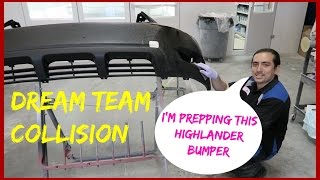
- All replacement bumper covers, whether new or used, will require professional painting to ensure an exact match with your vehicle's paint.
Symptoms of a Damaged Front Bumper Assembly

Damage to a front bumper assembly is almost always visible. However, the severity can be deceptive. What looks like a minor cosmetic issue on the surface could be hiding more serious structural problems underneath.
- Visible Cracks, Scuffs, or Holes: The most obvious sign of failure is physical damage to the plastic bumper cover. While minor scuffs can often be polished or painted, deep cracks or holes compromise the part's integrity and usually require replacement.
- Loose Fitment or Gaps: If the bumper cover is sagging, misaligned with the fenders or headlights, or appears loose, it indicates that the mounting tabs or clips are broken. This is a common issue after even minor impacts and can worsen over time, potentially leading to the bumper detaching at high speeds.
- Rattling or Vibrating Noises: Noises from the front of the vehicle, especially over bumps, can point to a loose bumper cover, grille, or underlying components like the energy absorber or reinforcement bar that have broken free from their mountings.
Warning: While the plastic bumper cover is largely cosmetic, the steel reinforcement bar and foam energy absorber behind it are critical safety components. After any front-end collision, these parts should be inspected for bending, cracking, or compression, even if the outer cover appears undamaged.
Known Issues, Recalls, and Service Bulletins
While the 2011-2013 Highlander generation does not have a specific recall for its front bumper, a notable recall (NHTSA Campaign ID: 23V720000) was issued for the later 2020-2023 models. This recall addressed an issue where the resin front lower bumper cover could detach after a minor impact due to weak mounting tabs. While not directly applicable, it highlights a potential weak point in the general design concept—the reliance on plastic tabs for mounting. Owners of 2011-2013 models have reported similar issues of broken tabs leading to poor fitment, especially on used or aftermarket parts.
Buying a Used 2011-2013 Highlander Front Bumper: What to Inspect


Purchasing a used OEM bumper assembly is an excellent way to save money while retaining factory fit and quality. However, careful inspection is crucial.
Hybrid vs. Non-Hybrid: The Biggest Compatibility Trap
The most significant difference is between the standard (gas) and Hybrid models. They use different bumper covers and lower grilles. An aftermarket seller confirms that their bumper cover for standard models will NOT fit Hybrid models. The Hybrid version often has a unique grille design to optimize aerodynamics and cooling for the hybrid system. Always confirm the donor vehicle's submodel before purchasing.
Fog Light vs. No Fog Light Models
Bumper covers come in two styles: with holes for fog lights and without. While you can sometimes cut holes in a base model bumper, it's best to buy the correct version for a clean, factory look. Ensure the mounting brackets for the fog lamps are intact on bumpers that have the cutouts.
Physical Inspection Checklist
- Check All Mounting Tabs: This is the most critical inspection point. Carefully examine every tab and slot on the top, bottom, and sides of the bumper cover. These are small plastic pieces that clip and bolt the cover to the fenders, grille, and frame. They are very brittle and often break during removal or from minor impacts. A bumper with broken tabs will never align correctly.
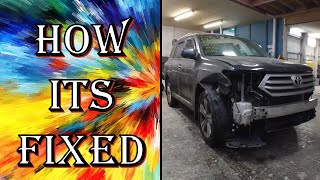
- Look for Previous Repairs: Check the backside of the bumper cover for signs of plastic welding, adhesives, or fiberglass patches. Look for inconsistent textures or overspray, which indicate a previous, potentially low-quality repair. 🎬 Watch this step-by-step repair on a damaged Highlander front end
- Inspect the Reinforcement Bar: If the assembly includes the steel rebar, check it for any signs of bending, kinking, or significant rust. A compromised reinforcement bar is a major safety hazard and should not be used.
- Examine the Foam Absorber: The foam energy absorber should be free of major cracks, compression, or missing chunks. Its job is to absorb low-speed impacts, and if it's already damaged, it can't provide protection.
- Verify Included Grilles: Ensure any included upper or lower grilles are for the correct model (Hybrid vs. non-Hybrid) and that none of their clips or mounting points are cracked.
Pro Tip: When buying a used bumper, it's often better to get a complete assembly (cover, absorber, and reinforcement bar) from a single donor vehicle. This helps ensure all components fit together correctly, as they have worn together.
Cost Comparison
Prices for a 2011-2013 Toyota Highlander front bumper assembly can vary significantly based on the source and included components. All unpainted covers will require professional painting, which can add $300-$600 to the total cost.
| Part | Price Range | Notes |
|---|---|---|
| New OEM Bumper Cover (Unpainted) | $250 - $360 | Part numbers like 52119-0E914. Guarantees perfect fitment but is the most expensive option for the cover alone. |
| New Aftermarket Bumper Cover (Unpainted) | $95 - $200 | More affordable, but fitment can be inconsistent. Some may be shipped folded, which can cause imperfections. |
| Used OEM Bumper Assembly | $200 - $500+ | Price depends on condition, color, and included components (grilles, fog lights, rebar). Offers the best value if in good condition. |
| Shop Labor for Replacement | $200 - $500 | Labor rates vary by location. A body shop may charge 2-4 hours for removal, transfer of components, and installation. |
Replacement Overview

Replacing the front bumper assembly is a manageable DIY project for those with basic tools and patience. The process generally involves removing clips, screws, and bolts that secure the bumper at the top (under the hood), sides (in the wheel wells), and bottom.
- Difficulty: 2.5 out of 5
- Estimated Time: 2-3 hours
- Tools Required: Socket set (10mm is common), screwdrivers (Phillips and flathead), trim removal tool for plastic clips, and protective tape for fenders.
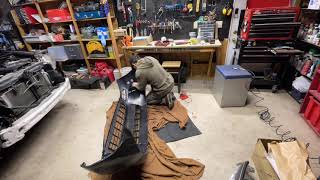
The basic steps include opening the hood to remove the upper radiator cover and top bumper clips, removing screws from each wheel well, and detaching clips and bolts from underneath the vehicle. If equipped, the fog light connectors must be disconnected before the bumper can be fully removed. All grilles, emblems, and fog lights from the old bumper must then be transferred to the new one before installation, which is the reverse of removal.
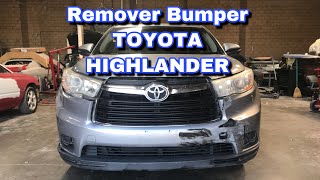
🎬 Watch a video demonstration of removing a Highlander front bumperFrequently Asked Questions (FAQ)
Do I need to paint a replacement bumper cover?
Yes. New OEM and aftermarket bumper covers come unprimed or with a black primer coat and must be professionally painted to match your vehicle's color. Even a used bumper in the same color may not be a perfect match due to sun fading and weathering, so painting is often recommended for a seamless look.
Can I install a Hybrid bumper on a non-Hybrid Highlander (or vice-versa)?
No, this is not recommended. The mounting points for the lower grilles and potentially other components are different between the Hybrid and non-Hybrid models. Attempting to swap them will likely result in poor fitment and gaps.
Is a cracked bumper cover a safety issue?
A crack in the plastic cover itself is primarily a cosmetic issue. However, it can be an indicator of deeper, unseen damage to the foam energy absorber or the steel reinforcement bar, which are critical for crash safety. Any impact severe enough to crack the cover warrants an inspection of these underlying components.
What is the difference between an OEM and an aftermarket bumper cover?
OEM (Original Equipment Manufacturer) parts are made by Toyota and are identical to the part your vehicle came with, ensuring a perfect fit. Aftermarket parts are made by third-party companies. They are cheaper but can sometimes have issues with fit, alignment, and material quality, potentially requiring more labor to install correctly.
Helpful Videos
Technical Specifications
OEM Part Numbers: 52021-0E010 52021-48020 52119-0E913 52119-0E914 52119-48963 52611-0E050 52611-48120 53101-0E020 53101-48370 53101-48939 53102-48020 53112-0E070 53113-48030 53127-48010 53128-48010
Material: Plastic (cover), Foam (absorber), Steel (reinforcement bar). Bumper covers are supplied unprimed and require painting.

The information in this article is provided for general reference and educational purposes only. Vehicle specifications, procedures, and part compatibility can vary by production date, trim level, and region. Always consult your vehicle's factory service manual and verify part numbers before purchasing or performing repairs. Safety-critical components such as airbags, seat belts, and braking systems should be installed by a qualified professional.
- Toyota Highlander:
- 🎬 Helpful Videos
- Symptoms of a Damaged Front Bumper Assembly
- Known Issues, Recalls, and Service Bulletins
- Buying a Used 2011-2013 Highlander Front Bumper: What to Inspect
- Hybrid vs. Non-Hybrid: The Biggest Compatibility Trap
- Fog Light vs. No Fog Light Models
- Physical Inspection Checklist
- Cost Comparison
- Replacement Overview
- Frequently Asked Questions (FAQ)
- 🎟️ Get 5% Off