

Subaru Outback Bumper Guide (2008-2011): Avoiding the Critical Gen 3 vs. Gen 4 Mismatch
This guide details the crucial differences between the 2008-2009 and 2010-2011 Subaru Outback bumpers to ensure you buy the right part the first time.
- The 2008-2009 (Gen 3) and 2010-2011 (Gen 4) Outback bumpers are NOT interchangeable; you must buy for your specific generation.
- When buying used, the most critical inspection point is the condition of the plastic mounting tabs on the top and sides.
- A Subaru Legacy bumper will NOT fit a Subaru Outback of the same year.
- Used OEM bumpers often provide better fit than new aftermarket parts, but require careful inspection for hidden damage or prior repairs.
The Most Important Thing to Know: The 2009 / 2010 Generation Split
Warning: The 2008-2011 Subaru Outback model years span two completely different vehicle generations, and their bumper components are NOT interchangeable. Buying the wrong year will result in a part that does not fit. Before purchasing, you must correctly identify your vehicle.
- 2008-2009 Subaru Outback (Third Generation, "BP"): These models have a more traditional wagon look with narrower headlights and a smaller grille.
- 2010-2011 Subaru Outback (Fourth Generation, "BR"): These models are visibly larger, taller, and more SUV-like, with larger, swept-back headlights and a more prominent grille.
Always verify the seller's description and part number against your specific model year.
Symptoms of Bumper Assembly Failure
Failure of a bumper assembly is almost always due to physical impact. Beyond obvious cracks and holes, here are the key symptoms to look for:
- Poor Fitment and Gaps: If the bumper cover has large or uneven gaps where it meets the headlights, grille, or fenders, it's a sign that mounting tabs are broken or the underlying reinforcement bar is bent.
- Rattling or Vibrating Noises: Loose or broken clips and mounting hardware can cause the bumper to vibrate against the body, especially at speed.
- Sagging: A bumper that droops or sags, particularly at the corners or under the headlights, indicates broken support brackets or tabs.
- Cracked or Missing Lower Texture: The unpainted, textured lower portion of the Outback bumper is prone to damage from curbs and road debris. While cosmetic, significant damage can compromise the integrity of the lower mounting points.
Buying a Used Bumper Assembly: A Step-by-Step Inspection Guide
A used OEM bumper is often a better choice than a cheap aftermarket one due to superior fit, material quality, and durability. However, a thorough inspection is crucial to avoid buying a part with hidden problems.
Step 1: Positively Identify the Generation
This is the most critical step. A bumper from a 2010 Outback will not fit a 2009 model, and vice-versa. Use photos to compare the headlight shape and overall style to your own vehicle before you even consider buying.
Step 2: Inspect All Mounting Tabs and Slots
This is the most common failure point on a used bumper. A cover with even one or two broken key tabs will never align properly. Pay close attention to:
- Top Tabs: The series of small, fragile tabs and holes along the top edge that secure the bumper to the radiator support under the hood.
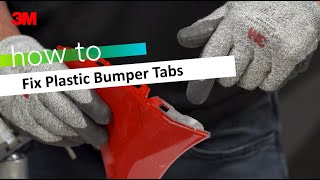
- Side Brackets: The area where the bumper snaps into the plastic bracket on the fender, right below the headlight. This is a high-stress area; ensure the slots and retaining edges are intact. 🎬 Learn how to repair broken plastic bumper tabs yourself.
- Wheel Well Points: Check the mounting holes inside the wheel arch where the bumper and fender liner connect.
Pro Tip: Ask the seller for close-up photos of the back of the bumper, specifically showing the top and side mounting points. If they can't provide them, it's best to pass.
Step 3: Check for Previous Repairs
Look at the backside of the bumper cover. Signs of a previous, low-quality repair include fiberglass patches, epoxy or glue residue, and sanding marks. A repaired bumper may look fine on the outside but can crack easily and will not absorb impact as designed.
Step 4: Verify Options
Ensure the bumper matches your car's features. The main variations are:
- Fog Light Holes: Does your car have fog lights? Make sure the bumper has the correct openings.
- Tow Hook Cover: Ensure the small, removable tow hook cover on the front is present. These are often lost and can be difficult to source individually.
Replacement Overview
Replacing the front bumper cover on either generation of Outback is a straightforward DIY job for those with basic tools.
- Difficulty: 2 out of 5
- Estimated Time: 1.5 - 2 hours
- Tools Needed: Clip removal tool, flathead screwdriver, socket set (typically 10mm), wheel chocks.
The general process involves removing a series of plastic push-clips from the top of the bumper/grille area, from underneath the car, and inside each front wheel well. After removing the clips, the sides of the bumper are carefully pulled outwards to release them from the fender brackets. If you have fog lights, you'll need to disconnect the electrical connectors before fully removing the bumper.
Known Issues, Recalls, and TSBs
While there are no official recalls or Technical Service Bulletins (TSBs) for the bumper assembly itself, the 2008-2011 Outback has been subject to several other important safety recalls. These include issues with corroding brake lines in salt-belt states, faulty passenger airbag inflators, and potential failure of the ignition switch. It is recommended to check your vehicle's VIN on the NHTSA website to ensure all applicable recalls have been performed.
Cost Comparison
Prices can vary based on condition, location, and whether the part is painted. Painting a new bumper can add $200-$600 to the total cost.
| Part Type | Estimated Price Range | Notes |
|---|---|---|
| New OEM (Unpainted) | $190 - $300 | Guarantees perfect fitment but requires professional painting. |
| New Aftermarket (Unpainted) | $130 - $200 | More affordable, but may have minor fitment issues. Shipped folded, requiring heat to reshape. |
| Used OEM | $100 - $500+ | Best value if you can find one in the correct color and excellent condition. Inspect carefully. |
| Shop Labor (Installation Only) | $200 - $500 | Cost for a body shop to swap the bumper cover, not including painting. |
Technical Specifications & Part Numbers
The following part numbers are for the unpainted front bumper cover. Always confirm fitment with the seller using your vehicle's VIN.
| Generation | Years | OEM Part Number | Partslink Number | Notes |
|---|---|---|---|---|
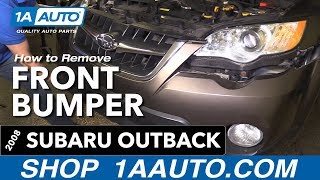
| 3rd Gen (BP) | 2008-2009 | 57704AG32A | SU1000159 | Fits Outback models only. | 🎬 See how to remove a 2004-2009 Outback front bumper.
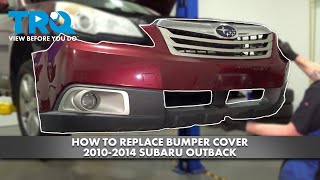
| 4th Gen (BR) | 2010-2012 | 57704AJ09A | SU1000165 | Fits Outback models only. Do NOT use 57704AJ08A, which is for the Legacy sedan. | 🎬 Watch this step-by-step 2010-2014 Outback bumper replacement video.
Compatibility Warning: A common mistake is purchasing a bumper for a Subaru Legacy. While the Legacy and Outback are related, their bumper covers are different and will not fit each other. The Outback bumper has a distinct, unpainted textured lower section.
Frequently Asked Questions
Will a bumper from a Subaru Legacy fit my Outback?
No. For both the 2008-2009 and 2010-2011 generations, the Legacy and Outback use different front bumper covers. The shape, mounting points, and lower trim are not the same.
Do I need to paint a used OEM bumper?
Only if it's not the correct color for your car. If you find a used OEM bumper in good condition and the same color, you can install it directly, saving hundreds of dollars on paintwork. However, be aware that sun exposure can cause slight variations in color over time.
What is the difference between the bumper cover, absorber, and reinforcement?
The bumper cover is the outer painted plastic panel. The energy absorber is a foam or honeycomb plastic piece behind the cover that absorbs minor impacts. The reinforcement bar is the steel beam behind the absorber that bolts to the car's frame and provides the main structural protection.
My aftermarket bumper was shipped folded. Is it damaged?
This is a standard, cost-saving shipping method for large plastic parts. The bumper is not damaged. The instructions provided with the part will guide you to let it sit in the sun or use a heat gun to gently return it to its original shape before painting and installation.
Helpful Videos
Technical Specifications
OEM Part Numbers: 57704AG32A (2008-2009 Front Cover) SU1000159 (2008-2009 Partslink) 57704AJ09A (2010-2012 Front Cover) SU1000165 (2010-2012 Partslink) 57705AG25A (2008-2009 Energy Absorber)
Material: Plastic (Polypropylene). Finish: Primed/unpainted, with a textured, unpainted lower section.
We Have This Part in Stock



The information in this article is provided for general reference and educational purposes only. Vehicle specifications, procedures, and part compatibility can vary by production date, trim level, and region. Always consult your vehicle's factory service manual and verify part numbers before purchasing or performing repairs. Safety-critical components such as airbags, seat belts, and braking systems should be installed by a qualified professional.
- Subaru Outback:
- 🎬 Helpful Videos
- 🛍️ Shop This Part
- The Most Important Thing to Know: The 2009 / 2010 Generation Split
- Symptoms of Bumper Assembly Failure
- Buying a Used Bumper Assembly: A Step-by-Step Inspection Guide
- Step 1: Positively Identify the Generation
- Step 2: Inspect All Mounting Tabs and Slots
- Step 3: Check for Previous Repairs
- Step 4: Verify Options
- Replacement Overview
- Known Issues, Recalls, and TSBs
- Cost Comparison
- Technical Specifications & Part Numbers
- Frequently Asked Questions
- 🎟️ Get 5% Off