

1995-2001 BMW 750i Front Brakes: V12-Specific Parts and Shudder Diagnosis
This guide covers the unique 334mm front brakes on the V12-powered E38 7 Series, from common failure symptoms and known issues to inspecting used parts.
- The 334mm front brakes are exclusive to the 1995-2001 V12-powered 750i/iL and are not interchangeable with parts from a 740i.
- Vibration or shuddering when braking is the most common complaint, often caused by warped rotors, but can also be a symptom of worn front suspension bushings (thrust arms).
- When buying used calipers, the most critical inspection points are the condition of the rubber piston boot and guide pin boots to check for tears that allow rust and seizing.
- Always replace brake rotors in pairs and it is highly recommended to use new rotors rather than used ones due to safety and performance concerns.
Symptoms of Front Brake Failure

Problems with your front brakes will be noticeable and should be addressed immediately for safety. Common symptoms include changes in noise, feel, and performance.
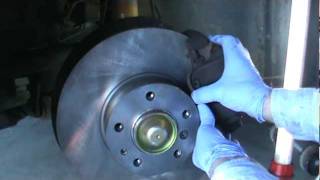
- Vibration or Shaking: A shudder or vibration felt through the steering wheel or brake pedal when braking from higher speeds is a very common complaint. 🎬 See how to replace front rotors and pads to eliminate vibration. This is often caused by warped brake rotors, where the disc surface has become uneven from heat, or from uneven deposits of brake pad material on the rotor face. In some cases, this feeling can also be caused by worn suspension components like thrust arm bushings, which allow the wheel to oscillate under braking load.
- Grinding or Scraping Noises: A metallic grinding sound is a critical warning that the brake pads have worn down completely. This noise is the sound of the metal backing plate of the pad grinding against the brake rotor, which can quickly destroy the rotor and reduce stopping power.
- Squealing or Screeching: High-pitched squealing can have several causes. It can be a normal indicator from the built-in brake wear sensor on the driver's side, telling you the pads are low. It can also be caused by brake dust, moisture, or glazed pads and rotors from heat.
- Vehicle Pulling to One Side: If the car pulls to the left or right when you apply the brakes, it often points to a problem with a brake caliper. A caliper piston may be seized or the slide pins may be stuck, causing uneven pressure on one side of the car.
- Spongy or Soft Brake Pedal: A brake pedal that feels soft or goes closer to the floor than usual can indicate air in the brake lines or old, moisture-contaminated brake fluid. This is a serious safety issue as it significantly reduces braking effectiveness.
Warning: These front brake components are specific to the V12-powered 750i and 750iL models. They are not interchangeable with the brakes from the more common V8-powered 740i/iL, which use smaller rotors.
Known Issues, TSBs, and Recalls
While the E38 7-series is generally robust, there are no specific recalls from the National Highway Traffic Safety Administration (NHTSA) for the primary front brake hydraulic components (calipers, rotors) on the 1995-2001 750i. Most known issues are related to wear and tear.
- Brake Judder/Shudder: As mentioned, the most frequent complaint for E38 models is a vibration during braking. This is often attributed to warped rotors. Causes can include improper lug nut torque, aggressive driving, or sticking caliper slide pins causing excessive heat buildup.
- Seized Calipers: The cast iron calipers can be prone to rust, especially in areas with road salt. Corrosion can cause the caliper piston to seize in its bore or the guide pins to get stuck. A seized caliper can lead to brake drag, overheating, and severe vibration. Regular brake fluid flushes every two years helps prevent internal corrosion from moisture absorption.
Buying Used Front Brakes: What to Inspect

Purchasing used brake components requires careful inspection. While used OEM calipers can be a good value, used rotors are rarely recommended unless they are verifiably low-mileage and meet thickness specifications.
Inspecting a Used Brake Caliper
- Check the Piston Boot: The rubber boot around the caliper piston is critical. Look for any tears, cracks, or signs of deterioration. A damaged boot allows moisture and dirt in, which will cause the piston to rust and seize.
- Examine the Guide Pin Boots: Similarly, inspect the small rubber boots for the caliper guide pins. If they are torn, the pins will lose their lubrication and seize, causing uneven pad wear and brake drag.
- Test the Guide Pins: If possible, try to move the guide pins by hand. They should slide smoothly with some resistance from the grease. If they are stuck solid, the caliper will need to be disassembled and serviced.
- Look for Fluid Leaks: Check around the piston boot and the bleeder screw for any signs of brake fluid leakage. A wet or oily residue is a major red flag.
- Inspect the Bleeder Screw: Ensure the bleeder screw is not stripped, broken off, or seized. A damaged bleeder screw will make it impossible to properly bleed the brakes after installation.
Inspecting a Used Brake Rotor
Warning: Always replace brake rotors in pairs to ensure even braking performance and safety. Never replace just one side.
- Measure the Thickness: This is the most important check. The minimum thickness for the 334mm front rotors is 30.4mm. New rotors are 32mm thick. You will need a micrometer to measure this accurately. Any rotor at or below the minimum thickness is unsafe and must be discarded.
- Check for Warping and Runout: Lay the rotor on a perfectly flat surface to check for obvious warping. Significant runout (wobble) will cause brake pulsation.
- Look for Heat Spots and Cracks: Bluish or dark spots on the rotor surface indicate overheating, which can create hard spots and lead to uneven braking. Inspect the entire surface and around the hub for any hairline cracks. A cracked rotor is extremely dangerous and must be scrapped.
Pro Tip: Given the low cost of new aftermarket rotors and the safety-critical nature of the part, it is almost always a better investment to pair a good used OEM caliper with a new set of quality aftermarket or OEM rotors and new pads.
Cost Comparison (Per Axle)
| Part Type | Estimated Cost |
|---|---|
| New OEM (Dealer) | $900 - $1,500 |
| New Aftermarket (Online/Local Shop) | $600 - $900 |
| Used OEM (Salvage) | $150 - $400 (calipers and rotors) |
| Remanufactured Caliper | $100 - $250 (per caliper) |
| Shop Labor | $133 - $250 |
Replacement Overview & Difficulty
- Difficulty: 2/5 (Straightforward for DIY mechanics with proper tools)
- Estimated Time: 1.5 - 2.5 hours
- DIY Feasible: Yes
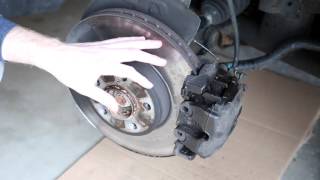
Replacing the front rotors and calipers is a manageable job for a DIYer. The basic steps involve safely lifting and supporting the vehicle, removing the wheel, unclipping the brake pad wear sensor (driver's side only), removing the caliper, then the caliper carrier bracket, and finally the rotor. Reassembly is the reverse of removal. 🎬 Watch this step-by-step E38 front brake replacement tutorial. The most critical part of the job is properly bleeding the brakes to remove all air from the system.
Key Torque Specs:
- Caliper Guide Pins (7mm Allen): 30 Nm (22 ft-lbs)
- Brake Hose to Caliper (14mm): 22 Nm (16 ft-lbs)
- Bleeder Screw (11mm): 13 Nm (10 ft-lbs)
- Wheel Lug Bolts (17mm): 120 Nm (88 ft-lbs)
Technical Specifications

| Specification | Value |
|---|---|
| Rotor Diameter | 334mm |
| Rotor Type | Vented |
| Rotor Thickness (New) | 32mm |
| Rotor Thickness (Minimum) | 30.4mm |
| OEM Rotor Part Numbers | 34111161372, 34111164973, 34116757756 |
| OEM Caliper Part Numbers | 34111163317 (Left), 34111163318 (Right) |
Frequently Asked Questions
Can I use front brakes from a BMW 740i on my 750i?
No. The V12 750i models are heavier and came equipped with larger 334mm front brakes for increased stopping power. The 740i uses smaller components, and they are not a direct fit or a safe downgrade.
Do I have to replace the brake wear sensor?
The front driver's side brake pad has a wear sensor. Once the sensor makes contact with the rotor and triggers the warning light on your dash, it must be replaced. It is a single-use item. The passenger side does not have a sensor.
What is "bedding in" new brakes and is it necessary?
Bedding in, or burnishing, is the process of performing a series of controlled stops to transfer an even layer of friction material from the new pads onto the new rotors. This prevents vibration and ensures maximum braking performance. Most manufacturers provide a specific procedure, but it generally involves several moderate stops from around 60 mph without coming to a complete stop, followed by a cool-down period. It is highly recommended for any new set of pads and rotors.
Why are my brakes still vibrating after replacing the pads and rotors?
If you have new pads and rotors but still experience a steering wheel shimmy when braking, the cause is likely worn front suspension components. The thrust arm bushings (also called tension strut bushings) are a common failure point on BMWs. When they wear out, they allow the wheel to move back and forth slightly under braking, creating a vibration that feels very similar to warped rotors. Have a technician inspect your control arms, thrust arms, and ball joints.
Helpful Videos
Technical Specifications
OEM Part Numbers: Rotors: 34111161372, 34111164973, 34116757756 Caliper (Left): 34111163317 Caliper (Right): 34111163318
Rotor Diameter: 334mm, Rotor Thickness New/Min: 32mm/30.4mm, Vented Rotor Design.

The information in this article is provided for general reference and educational purposes only. Vehicle specifications, procedures, and part compatibility can vary by production date, trim level, and region. Always consult your vehicle's factory service manual and verify part numbers before purchasing or performing repairs. Safety-critical components such as airbags, seat belts, and braking systems should be installed by a qualified professional.
- BMW 750i:
- 🎬 Helpful Videos
- Symptoms of Front Brake Failure
- Known Issues, TSBs, and Recalls
- Buying Used Front Brakes: What to Inspect
- Inspecting a Used Brake Caliper
- Inspecting a Used Brake Rotor
- Cost Comparison (Per Axle)
- Replacement Overview & Difficulty
- Key Torque Specs:
- Technical Specifications
- Frequently Asked Questions
- 🎟️ Get 5% Off