

2002-2005 Range Rover Brake Master Cylinder: Failure Symptoms and Replacement Guide
Diagnosing a spongy or sinking brake pedal on your BMW-powered L322 Range Rover and ensuring you buy the correct part for models up to VIN 5A999999.
- This master cylinder (part SJJ000040) is for the 2002-2005 Range Rover with the BMW 4.4L engine, up to VIN 5A999999.
- The most definitive symptom of failure is a brake pedal that slowly sinks to the floor while holding pressure at a stop.
- Bench bleeding the new or used master cylinder before installation is a mandatory step to ensure a firm brake pedal.
- A soft/spongy pedal indicates a master cylinder or other leak, while a hard-to-press pedal usually points to a brake booster problem.
Symptoms of a Failing Brake Master Cylinder
A failing brake master cylinder is a critical safety issue. Recognizing the signs early can prevent a total loss of braking power. The most common symptoms are related to how the brake pedal feels and behaves.
- Sinking Brake Pedal: This is the classic sign of an internal failure. When you're stopped at a light with your foot on the brake, the pedal slowly sinks towards the floor. This happens because fluid is bypassing worn-out internal seals between the two hydraulic circuits.
- Spongy or Soft Brake Pedal: If the pedal feels mushy or soft when you press it, it often means air has entered the hydraulic system. While this can be caused by other leaks, a failing master cylinder is a common culprit.
- Brake Warning Light: The brake fluid reservoir is attached to the master cylinder and has a level sensor. If the light on your dashboard illuminates, it could mean the fluid is low due to an external leak from the master cylinder's seals.
- Contaminated Brake Fluid: If you inspect the brake fluid and it appears dark, dirty, or has black specks in it, the rubber seals inside the master cylinder may be deteriorating and contaminating the fluid.
- Visible Fluid Leaks: Check for brake fluid leaks on the master cylinder itself or where it bolts to the brake booster in the engine bay.
Known Issues, Recalls, and Service Bulletins
While there are no specific recalls for the brake master cylinder on the 2002-2005 Range Rover, there are related issues to be aware of that can present similar symptoms.
- NHTSA Recall 15V039000 (P054): This recall affects 2006-2012 models but is relevant context. It addresses front brake hoses that can rupture, causing a loss of brake fluid and increased stopping distances. A fluid leak from a hose can be mistaken for a master cylinder issue if not properly diagnosed.
- NHTSA Recall B178: For a very specific range of 2004 models, a defective yaw rate sensor could cause the Dynamic Stability Control (DSC) system to apply the brakes unexpectedly. This is an electronic issue, not a hydraulic one, but results in unusual braking behavior.
- Brake Booster vs. Master Cylinder: A hard brake pedal is often a sign of a failing brake booster (the large round component the master cylinder is attached to), not the master cylinder itself. If the pedal is hard to push, the booster may not be providing vacuum assistance. If the pedal is soft or sinks, the master cylinder is the more likely cause.
Warning: Compatibility for the 2002-2005 Range Rover (L322) brake master cylinder is VIN-specific. This part, Land Rover number SJJ000040, typically fits models up to VIN 5A999999. These vehicles use the BMW 4.4L M62 V8 engine. Always verify fitment with the vehicle's VIN before purchasing.
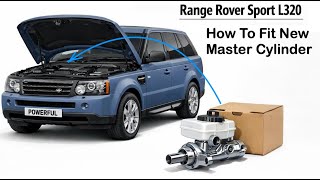
🎬 Watch this step-by-step L322 master cylinder replacement guide.Buying a Used 2002-2005 Range Rover Master Cylinder
A quality used OEM master cylinder can be a reliable and cost-effective alternative to expensive new parts. Given the precision required for brake components, a used OEM part from a reputable source is often a better choice than a cheap new aftermarket part. Here’s what to look for:
Physical Inspection Checklist
- Check for Leaks or Stains: Inspect the entire body of the cylinder, especially around the mounting flange where it meets the brake booster and at the ports where the brake lines connect. Any signs of wetness or dark staining indicate a past or present leak.
- Inspect the Reservoir: The plastic fluid reservoir should be free of cracks, deep scratches, or yellowing from age. Ensure the cap seals properly and the fluid level sensor and its electrical connector are intact and free of corrosion.
- Examine the Ports: The threaded ports for the brake lines should be clean and undamaged. Stripped or cross-threaded ports will make a leak-free installation impossible.
- Condition of the Pushrod End: Look at the bore where the brake booster pushrod enters. It should be clean and dry. Fluid inside this area is a sure sign of a failed rear seal.
Pro Tip: When buying used, prioritize a part that comes from a lower-mileage vehicle that was not involved in a front-end collision. Ask the seller for the VIN of the donor vehicle to confirm compatibility and check its history if possible.
Replacement Overview
Replacing the master cylinder is a moderately difficult job that is critical to get right for safety. The most important part of the process is proper bleeding of both the new master cylinder and the entire brake system.
- Difficulty: 4 out of 5
- Estimated Time: 2-3 hours
- Key Steps:
- Bench Bleed the New Cylinder: This is a mandatory first step. Before installing the master cylinder, you must mount it in a vise and manually cycle the piston to remove all air from inside it. Most new or used units come with a bleeding kit for this purpose. Skipping this step will make it nearly impossible to get a firm pedal later.
- Removal: Disconnect the battery. Use a syringe to remove most of the old fluid from the reservoir. Disconnect the fluid level sensor, then carefully disconnect the two brake lines using a flare nut wrench to avoid stripping the fittings. Remove the two nuts holding the master cylinder to the brake booster and lift it out.
- Installation: Install the new, bench-bled master cylinder, tightening the nuts to the booster. Reconnect the brake lines.
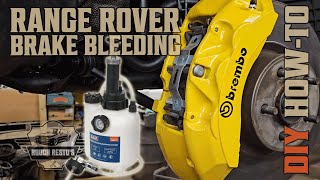
- System Bleeding: This is the most critical part. You must bleed the entire brake system to remove any air that entered when the lines were disconnected. The correct sequence is crucial, typically starting from the wheel furthest from the master cylinder (right-rear) and moving closer. For these vehicles with ABS/DSC, a pressure bleeder is highly recommended. 🎬 See how to bleed brakes using a pressure bleeder. In some cases, a diagnostic tool may be needed to cycle the ABS pump to purge all trapped air.
Cost Comparison
Prices can vary significantly based on brand and supplier. Labor costs for a professional installation are also a major factor.
| Part Type | Estimated Cost |
|---|---|
| New OEM (Land Rover) | $650 - $700 |
| New OEM Supplier (TRW, ATE) | $150 - $300 |
| Used OEM | $50 - $100 |
| Remanufactured | $100 - $200 |
| Shop Labor | $260 - $380 |
Frequently Asked Questions (FAQ)
Do I have to replace the brake booster at the same time?
No, not necessarily. The master cylinder and brake booster are separate components. You should only replace the booster if it has failed. A common test is to pump the brakes with the engine off until the pedal is firm, then start the engine while holding the pedal. The pedal should drop slightly as vacuum assist builds. If it doesn't, or if you hear a hissing sound, the booster may be faulty.
Is it absolutely necessary to bench bleed the new master cylinder?
Yes. A master cylinder has complex internal passages. If you install it dry, air gets trapped deep inside. Trying to push that much air through the entire brake system using just the pedal is extremely difficult and often unsuccessful, resulting in a spongy pedal no matter how much you bleed the calipers.
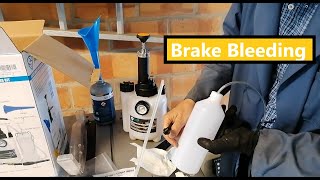
🎬 Watch a demonstration of brake bleeding on the L322.Can a bad master cylinder cause the ABS or DSC warning light to come on?
Indirectly, yes. While the master cylinder itself is a hydraulic part with no complex electronics, a failure can lead to a loss of pressure in one of the brake circuits. The ABS module monitors pressure and wheel speeds. If it detects a significant and unexpected difference between the circuits or a failure to build pressure, it can trigger a fault code and illuminate the ABS/DSC warning lights.
What kind of brake fluid does the 2002-2005 Range Rover use?
These vehicles typically require DOT 4 brake fluid. Always use new fluid from a sealed container, as brake fluid absorbs moisture from the air over time, which can reduce its boiling point and cause corrosion in the system.
Helpful Videos
Technical Specifications
OEM Part Numbers: SJJ000040 (Land Rover) PMN219 (TRW) 010992 (ATE) 24.2026-1705.3 (ATE) 34310154288 (BMW) 34316754880 (BMW)
Fits 2002-2005 Land Rover Range Rover (L322) with BMW 4.4L M62 engine, up to VIN 5A999999. Bore Diameter: 27mm.
We Have This Part in Stock



The information in this article is provided for general reference and educational purposes only. Vehicle specifications, procedures, and part compatibility can vary by production date, trim level, and region. Always consult your vehicle's factory service manual and verify part numbers before purchasing or performing repairs. Safety-critical components such as airbags, seat belts, and braking systems should be installed by a qualified professional.
- Land Rover Range Rover: