

2011-2012 Fisker Karma Brake Master Cylinder: Diagnosis and Replacement Guide
This guide covers the common failure symptoms, used part inspection, and unique replacement challenges for the brake master cylinder in the 2011-2012 Fisker Karma.
- A sinking or spongy brake pedal is the number one sign of a failing master cylinder and is a critical safety failure.
- It is mandatory to bench bleed the replacement master cylinder before installation to ensure proper brake function.
- Due to the Karma's complex ABS and regenerative braking, a full system bleed after replacement likely requires a professional scan tool.
- The correct OEM part number is C131125041000; used OEM parts are the most common replacement option due to the vehicle's rarity.
Known Issues & Recalls for the 2011-2012 Fisker Karma
While there are no specific recalls for the brake master cylinder on the 2011-2012 Fisker Karma, it's important to be aware of related service campaigns. The Karma was subject to several recalls, including for the high-voltage battery cooling system and Takata airbags. One particularly relevant investigation by the National Highway Traffic Safety Administration (NHTSA) concerned the braking system's software. Some owners reported inconsistent brake feel, especially when transitioning from regenerative to friction braking over uneven surfaces. These software-related issues can sometimes be confused with hydraulic problems like a failing master cylinder. Ensure the vehicle's software is up to date before diagnosing hydraulic components.
Common Symptoms of a Failing Brake Master Cylinder
A failing master cylinder is a critical safety issue that should be addressed immediately. The symptoms are often related to how the brake pedal feels and responds.
- Spongy or Soft Brake Pedal: This is the most common sign. The pedal feels mushy and lacks its usual firmness, often because air has entered the hydraulic system through failing internal seals.
- Brake Pedal Sinks to the Floor: When you hold your foot on the brake pedal, it slowly sinks towards the floor. This indicates an internal leak, where fluid is bypassing the piston seals inside the master cylinder.
- Contaminated Brake Fluid: Brake fluid should be a clear, light golden color. If the fluid in the reservoir is dark, murky, or has metal shavings in it, it's a strong sign that the internal rubber seals of the master cylinder are breaking down.
- Brake Warning Light: A dashboard warning light for the brake system can illuminate for many reasons, including a pressure loss detected by sensors connected to the master cylinder.
- Reduced Braking Power: The car takes longer to stop than usual because the master cylinder isn't generating enough hydraulic pressure to fully engage the brakes.
Warning: A hard-to-press brake pedal is typically a sign of a failing brake booster, not the master cylinder. A failing master cylinder usually results in a soft or sinking pedal.
Buying a Used Brake Master Cylinder: What to Check
Due to the rarity of the Fisker Karma, new aftermarket parts are virtually nonexistent and new OEM parts can be difficult to source. A quality used OEM master cylinder is often the most practical solution. Here’s what to inspect before you buy:
- Verify the Part Number: The known OEM part number is C131125041000. Ensure the part you are buying has this number clearly visible to guarantee compatibility.
- Inspect the Reservoir: Check the plastic fluid reservoir for any cracks, cloudiness, or heavy staining. Ensure the cap fits securely and the fluid level sensor and its electrical connector are intact and undamaged.
- Examine the Body: Look for any signs of external leaks or corrosion, especially around the brake line ports and the mounting flange where it meets the brake booster. Fluid stains or heavy rust are red flags.
- Check for Internal Leaks: Look at the rear of the cylinder where the piston pushes into the brake booster. Any sign of brake fluid leakage here means the rear seal has failed and the part is no good.
- Ask About the Donor Vehicle: Inquire about the mileage and condition of the vehicle the part came from. A lower-mileage part from a vehicle in a dry climate is always preferable.
Pro Tip: Even if a used master cylinder looks clean, it is highly recommended to replace the rubber seals if a rebuild kit is available. At a minimum, always use a new gasket or O-ring between the master cylinder and the brake booster upon installation.
Replacement Information
Replacing the brake master cylinder on a Fisker Karma is an advanced task due to the vehicle's complex electronic and hydraulic systems. It involves working in a tight space and requires a meticulous brake bleeding procedure.
- Difficulty: 4 out of 5
- Key Steps: The general process involves siphoning old fluid from the reservoir, disconnecting the brake lines and fluid level sensor, unbolting the master cylinder from the brake booster, and removing it from the vehicle.
- Bench Bleeding is Mandatory: Before installing the new (or used) master cylinder, it MUST be bench bled. This process removes air from the cylinder before it's connected to the rest of the system and is critical for achieving a firm pedal feel.
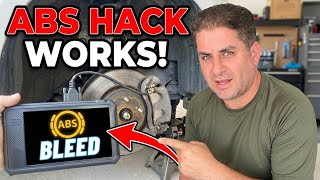
- System Bleeding: After installation, the entire brake system must be bled. On a vehicle with ABS and regenerative braking like the Karma, this often requires a specialized diagnostic scan tool to cycle the ABS pump and ensure all air is purged from the hydraulic unit. 🎬 Watch: How to use a scan tool to bleed ABS brakes. Failure to do this correctly will result in a spongy pedal and unsafe braking.
| Part/Service | Estimated Cost |
|---|---|
| New OEM | $800 - $1500+ (if available) |
| New Aftermarket | Not Generally Available |
| Used OEM | $200 - $450 |
| Remanufactured | $250 - $500 (availability is scarce) |
| Shop Labor | $300 - $500 |
Frequently Asked Questions
Can I drive my Fisker Karma with a bad brake master cylinder?
No. A failing master cylinder means your hydraulic brakes are compromised and cannot be trusted to stop the vehicle safely. Driving the vehicle is extremely dangerous and should be avoided. The car should be towed to a repair facility.
Do I have to bench bleed the replacement master cylinder?
Yes, absolutely. Bench bleeding removes trapped air from the new cylinder before installation. Skipping this step will make it nearly impossible to get a firm brake pedal and properly bleed the rest of the system.
Can I use my old brake fluid?
No. You must use new, clean brake fluid from a sealed container. Brake fluid absorbs moisture over time, which lowers its boiling point and can cause corrosion. Using old or contaminated fluid will compromise your braking performance.
Does this part fit all 2011-2012 Fisker Karma models?
Yes, the brake master cylinder with part number C131125041000 is specified for all versions of the 2011-2012 Fisker Karma. However, it is always best practice to visually match your old part to the replacement part before installation.
Helpful Videos
Technical Specifications
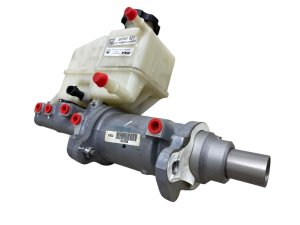
OEM Part Numbers: C131125041000
The assembly includes the master cylinder and the attached brake fluid reservoir with a fluid level sensor.
We Have This Part in Stock

The information in this article is provided for general reference and educational purposes only. Vehicle specifications, procedures, and part compatibility can vary by production date, trim level, and region. Always consult your vehicle's factory service manual and verify part numbers before purchasing or performing repairs. Safety-critical components such as airbags, seat belts, and braking systems should be installed by a qualified professional.
- Fisker Karma: