

2012-2021 Sonic, Trax & Encore Brake Master Cylinder: Spongy Pedal Diagnosis and Replacement
This guide covers common failure symptoms, replacement costs, and how to buy a quality used brake master cylinder for your 2013-2021 Buick Encore, 2012-2020 Chevrolet Sonic, or 2013-2021 Chevrolet Trax.
- A failing master cylinder is a critical safety failure; do not drive the vehicle if you suspect a problem.
- The most common symptom is a spongy brake pedal that may slowly sink to the floor when held down.
- Compatibility is crucial: this part only fits models with the 1.4L LUV engine, identified by a 'B' as the 8th digit of the VIN.
- When replacing, the new master cylinder MUST be bench bled before installation to ensure all air is removed from the part.
Symptoms of a Failing Brake Master Cylinder


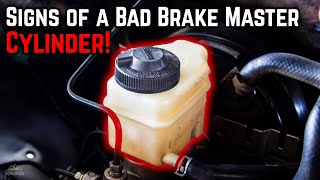
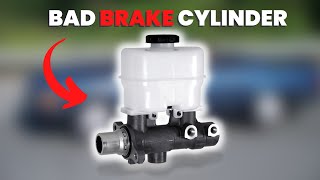
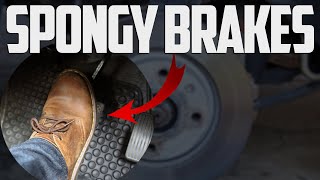
A failing brake master cylinder is a critical safety issue that should be addressed immediately. The symptoms are often related to how the brake pedal feels and responds. 🎬 Watch: A visual guide to common master cylinder failure symptoms. Here are the most common signs of failure for the Buick Encore, Chevrolet Sonic, and Chevrolet Trax.
- Spongy or Soft Brake Pedal: This is the most common symptom. The pedal may feel mushy when you press it, or it might not feel firm until it's close to the floor. This is often caused by internal seals wearing out, which allows fluid to bypass them instead of building pressure.
- Sinking Brake Pedal: When you hold your foot on the brake pedal at a stop, it may slowly sink all the way to the floor. This indicates an internal leak within the master cylinder, where pressure is being lost.
- Brake Fluid Leaks: You may see brake fluid leaking from the rear of the master cylinder, where it mounts to the brake booster. A visual inspection might reveal wetness, stains, or built-up gunk in this area.
- Contaminated Brake Fluid: Brake fluid should be a clear or light golden color. If the fluid in the reservoir looks dark, murky, or has black specks in it, it can be a sign that the rubber seals inside the master cylinder are breaking down.
- Brake Warning Light: A significant fluid leak will cause the level in the reservoir to drop, triggering the brake warning light on your dashboard.
Known Issues, TSBs, and Recalls

There are no known recalls or technical service bulletins (TSBs) from General Motors specifically for brake master cylinder failure on the 2013-2021 Buick Encore, 2012-2020 Chevrolet Sonic, or 2013-2021 Chevrolet Trax.
Related Safety Recall: 2012 Chevrolet Sonic
Important Safety Notice for 2012 Chevrolet Sonic Owners: While not a master cylinder issue, a critical recall was issued for some 2012 Sonics. NHTSA campaign number 11V-599 (GM recall number 11354) was initiated because some vehicles may have been assembled without an inner or outer front brake pad. This condition can severely reduce braking performance and increase the risk of a crash. Dealers were instructed to inspect the front brakes and, if a pad was missing, install new pads, a new caliper, and a new rotor free of charge. Owners can check if their specific vehicle is affected by entering their VIN on the NHTSA website.
Buying a Used Brake Master Cylinder
A used OEM master cylinder can be a reliable and cost-effective alternative to a new part, especially when compared to cheap, low-quality aftermarket options. However, careful inspection is key to getting a good part.
Compatibility Check
This is the most important step. This specific master cylinder fits models equipped with the 1.4L Turbo LUV engine. You can identify this engine by checking the 8th digit of your Vehicle Identification Number (VIN). The 8th digit must be 'B'. Always verify this before purchasing. This is especially important for certain model years like the 2021 Chevrolet Trax and 2016-2019/2021 Buick Encore.
What to Inspect
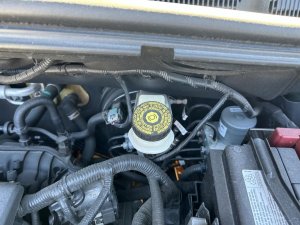
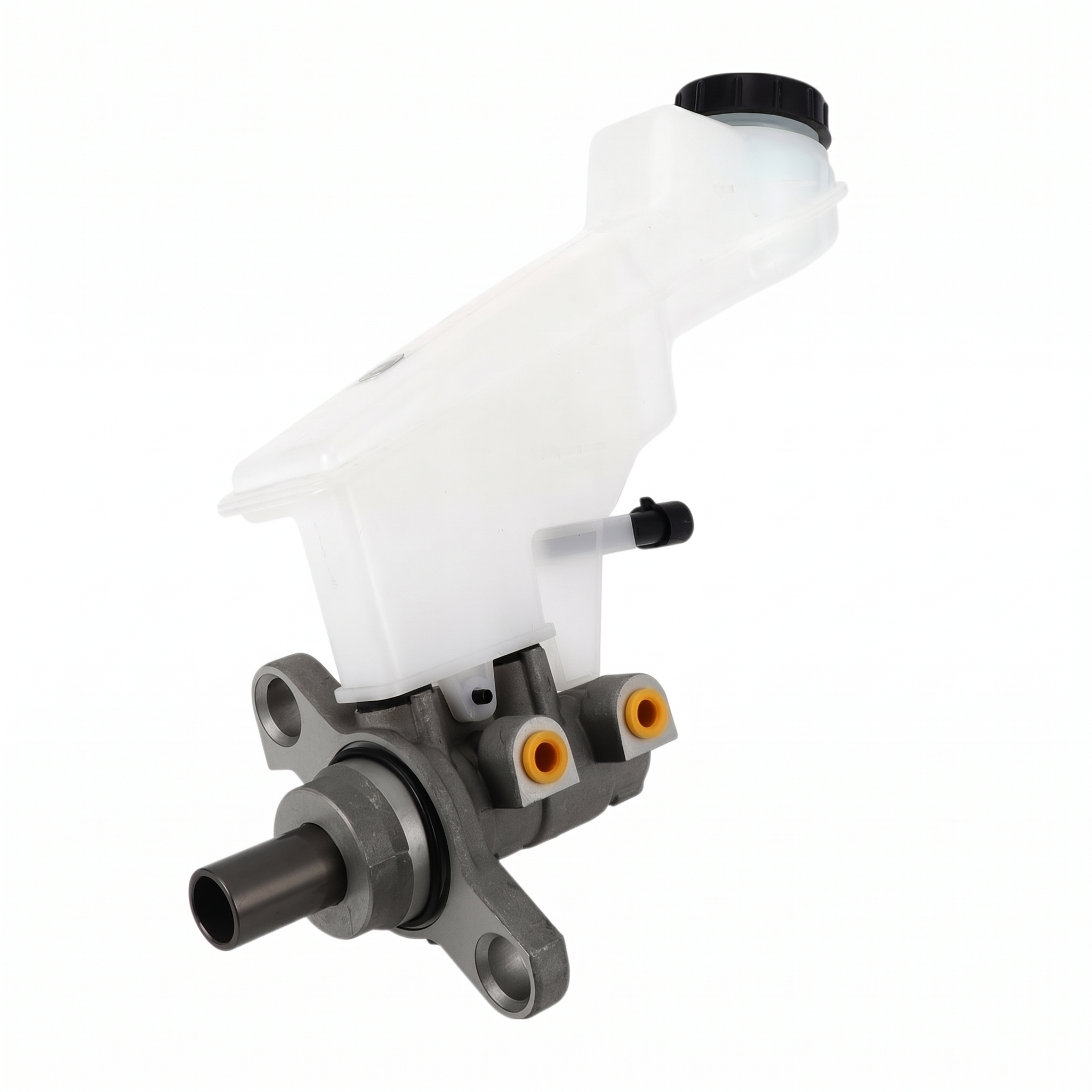
- Check for Leaks: The most critical area to inspect is the rear of the cylinder, where the pushrod enters from the brake booster. Look for any signs of brake fluid residue, staining, or wetness. A leak here means the main seal has failed.
- Inspect the Reservoir: Check the plastic fluid reservoir for any cracks, especially around the mounting points and the cap. Ensure the fluid level sensor and its connector are intact and not damaged.
- Examine Brake Line Ports: Look at the threaded ports where the brake lines connect. The threads should be clean and undamaged. Cross-threaded or damaged ports will prevent a proper seal.
- Check for Corrosion: The body of the master cylinder is typically cast aluminum or iron. Avoid any parts with heavy corrosion or pitting, as this can indicate a hard life or exposure to contaminants.
- Ask About Mileage: If possible, choose a part from a lower-mileage vehicle. While master cylinders can last a long time, wear is inevitable. A part with 60,000 miles is preferable to one with 160,000 miles.
Pro Tip: Many used master cylinders are sold with the brake booster still attached. This can be a good value, but make sure to inspect the booster for any signs of brake fluid contamination, which would indicate the master cylinder it was attached to had failed.
Replacement Overview & Difficulty
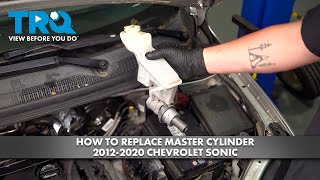
Replacing the brake master cylinder is a moderately difficult job that a skilled DIY mechanic can perform. The most critical part of the process is properly bleeding the new master cylinder and the entire brake system to remove all air.
- Difficulty Rating: 3 out of 5
- Estimated Time: 1.5 - 2.5 hours
- Key Steps:
- Remove as much old brake fluid as possible from the reservoir.
- Disconnect the brake lines from the master cylinder using a flare nut wrench to avoid stripping the fittings.
- Disconnect the fluid level sensor electrical connector.
- Remove the two nuts holding the master cylinder to the brake booster.
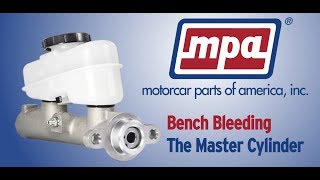
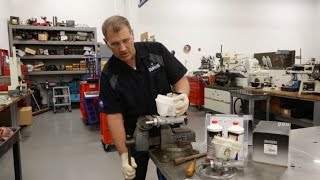
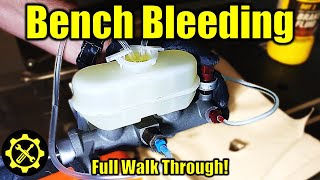
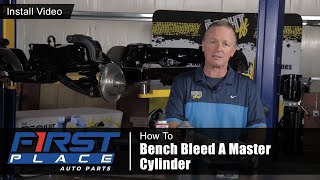
- Crucial Step: Bench bleed the new master cylinder before installation. This involves mounting it in a vise, attaching a bleeding kit, and cycling the pistons until no more air bubbles emerge from the fluid.
- Install the new master cylinder onto the brake booster.
- Reconnect the brake lines and the sensor connector.
- Fill the reservoir with fresh, correct-spec brake fluid (typically DOT 3).
- Bleed the entire brake system at all four wheels to remove any remaining air.
Cost Comparison
The cost to replace a brake master cylinder can vary significantly based on the parts source and labor rates.
| Part/Service | Estimated Cost | Notes |
|---|---|---|
| New OEM Part | $150 - $300 | Price from online GM parts dealers is often lower than local dealership counters. |
| New Aftermarket Part | $65 - $215 | Quality can vary widely. Brands like Dorman or AC Delco (Pro-line) are common. |
| Used OEM Part | $40 - $100 | A cost-effective option. Price depends on mileage, condition, and seller. |
| Shop Labor | $225 - $360 | Typically 1.5-2.5 hours of labor. |
| Total Professional Replacement | $500 - $730 | Using a new OEM part at an independent repair shop. |
Frequently Asked Questions (FAQ)
Can I drive my car with a bad brake master cylinder?
No. It is extremely dangerous and not recommended to drive a vehicle with a failing brake master cylinder. A bad master cylinder can lead to a partial or complete loss of braking ability, which could result in a serious accident. If you suspect a problem, have the vehicle towed to a repair shop.
What is 'bench bleeding' and why is it so important?
Bench bleeding is the process of removing air from a new master cylinder *before* you install it in the vehicle. It involves securing the cylinder in a vise, filling it with fluid, and using tools to push the internal pistons back and forth until no air bubbles come out. Skipping this step makes it extremely difficult, and sometimes impossible, to bleed all the air out of the brake system once the part is installed on the car, resulting in a persistent spongy pedal.
🎬 Watch: Learn how to properly bench bleed your new master cylinder.Is a spongy brake pedal always caused by the master cylinder?
Not always, but it is a primary suspect. The most common cause of a spongy pedal is air in the brake lines. This can happen due to a leak anywhere in the system, a damaged brake hose, or after a brake job where the system wasn't bled properly. However, if the pedal sinks to the floor while being held down, the master cylinder is the most likely culprit due to an internal leak.
How do I double-check that this part will fit my specific car?
The best way is to use your vehicle's 17-digit VIN. First, confirm the 8th digit is 'B' for the 1.4L LUV engine. Second, you can match one of the OEM part numbers (95128142, 95229905, 95280508, 95390404, 95414483) to the part you are replacing or provide your VIN to the parts seller to have them confirm the exact fitment for your specific vehicle.
Helpful Videos
Technical Specifications
OEM Part Numbers: 95128142 95229905 95280508 95390404 95414483
Fits vehicles with 1.4L Turbo LUV engine (8th VIN digit 'B').
We Have This Part in Stock

The information in this article is provided for general reference and educational purposes only. Vehicle specifications, procedures, and part compatibility can vary by production date, trim level, and region. Always consult your vehicle's factory service manual and verify part numbers before purchasing or performing repairs. Safety-critical components such as airbags, seat belts, and braking systems should be installed by a qualified professional.
- Buick Encore:
- Chevrolet Sonic:
- Chevrolet Trax:
- 🎬 Helpful Videos
- 🛍️ Shop This Part
- Symptoms of a Failing Brake Master Cylinder
- Known Issues, TSBs, and Recalls
- Related Safety Recall: 2012 Chevrolet Sonic
- Buying a Used Brake Master Cylinder
- Compatibility Check
- What to Inspect
- Replacement Overview & Difficulty
- Cost Comparison
- Frequently Asked Questions (FAQ)
- 🎟️ Get 5% Off