

2006-2012 Porsche Cayman Brake Master Cylinder: Failure, Feel, and Fitment Traps
Learn to diagnose a failing master cylinder, understand the common 'mushy pedal' complaint, and avoid buying the wrong part for your manual or PDK Cayman.
- Compatibility is critical: The correct part depends on your car's transmission (Manual vs. PDK/Auto) and brake type (Standard vs. Ceramic/PCCB).
- A pedal that slowly sinks to the floor under pressure is the key symptom of a failed master cylinder; a generally 'soft' pedal is a common complaint even on healthy cars.
- Proper replacement requires bleeding both nipples on each caliper and using a scan tool to cycle the ABS pump to remove all trapped air.
- A used OEM part from a reputable source is often a better choice than a new, non-OE aftermarket part due to superior quality and fitment.
Symptoms of a Failing Brake Master Cylinder


A failing master cylinder is a critical safety issue. The most common signs point to a loss of hydraulic pressure, either internally or externally.
1. Spongy or Sinking Brake Pedal
This is the most classic symptom. You may notice the pedal feels soft or 'spongy' when you press it. The most definitive sign of an internal failure is a pedal that slowly sinks to the floor when you hold it with steady pressure, for instance, while waiting at a stoplight. This happens because fluid is leaking past the internal seals within the cylinder, causing a gradual loss of pressure. You might be able to temporarily regain a firm pedal by pumping it a few times, but this is a clear indication that the part has failed and needs immediate replacement.
2. Visible Brake Fluid Leaks
An external leak is another serious symptom. You might see brake fluid, which has an oily consistency and is typically clear to light amber, leaking from the rear of the master cylinder where it mounts to the brake booster on the firewall. You may also find fluid inside the car under the dashboard. Any loss of brake fluid is dangerous and will eventually lead to a complete loss of braking ability.
3. Contaminated Brake Fluid or Low Fluid Level
If you check the brake fluid reservoir (the plastic tank on top of the master cylinder) and the fluid is very dark or the level is low, it could indicate a problem. Over time, seals can break down and contaminate the fluid. A low fluid level without an obvious external leak could point to an internal leak or simply very worn brake pads.
4. Brake Warning Light
A brake warning light on your dashboard can be triggered by the fluid level sensor in the master cylinder reservoir if the fluid drops too low. While this light can indicate other issues like worn brake pads, it should never be ignored, especially when combined with any of the symptoms above.
Warning: A brake pedal that feels soft, spongy, or goes to the floor is a sign of a severe safety problem. Do not drive the vehicle. It must be inspected and repaired immediately.
Important Compatibility Warnings for 2006-2012 Cayman

Buying the correct master cylinder for a 987-generation Cayman is not straightforward. There are two critical variations you must be aware of before purchasing a replacement.
1. Manual vs. Automatic (Tiptronic/PDK) Transmission
Caymans with manual transmissions use a different brake master cylinder and reservoir assembly than those with an automatic (Tiptronic or PDK) transmission. This is because the manual version's reservoir also supplies hydraulic fluid to the clutch master cylinder. Installing an automatic-spec part on a manual car will leave you with no way to operate your clutch. Always verify the transmission type of the donor vehicle or match your original part number exactly.
2. Standard Brakes vs. Ceramic Brakes (PCCB)
Porsche offered an optional high-performance braking system called Porsche Ceramic Composite Brakes (PCCB), identified by option code I450. Vehicles with PCCB have different braking components, including a specific master cylinder designed to work with the system's larger calipers. The easiest way to identify PCCB is by the brake caliper color—they are almost always painted a distinct yellow. Standard brake calipers are typically red, black, or silver. Using a standard master cylinder on a car with PCCB (or vice-versa) can result in poor pedal feel and unsafe braking performance.
Pro Tip: The definitive way to check your car's options is the vehicle identification sticker. It is located under the front hood and also in the original maintenance booklet. Look for option code I450 to confirm if you have PCCB.
The 'Mushy Pedal' Complaint and the GT3 Upgrade

Many 987 Cayman and Boxster owners complain about a soft or 'mushy' brake pedal with long travel, even on cars with a perfectly healthy braking system. This is often considered a characteristic of the stock setup. For track driving or more aggressive street use, this long travel can make techniques like heel-toe downshifting difficult. Because of this, a popular modification is to replace the stock Cayman master cylinder with one from a 997-generation Porsche 911 GT3. The GT3 unit has a larger bore, which moves more fluid for a given amount of pedal travel, resulting in a much firmer, shorter, and more responsive brake pedal.
Buying a Used Brake Master Cylinder: What to Look For
A used OEM master cylinder from a low-mileage vehicle can be a cost-effective and reliable alternative to an expensive new part, especially when compared to a low-quality aftermarket unit. Here’s what to inspect:
- Verify Compatibility: This is the #1 rule. Get the part number from your original unit and match it. Confirm the donor car's transmission (Manual/PDK) and brake type (Standard/PCCB).
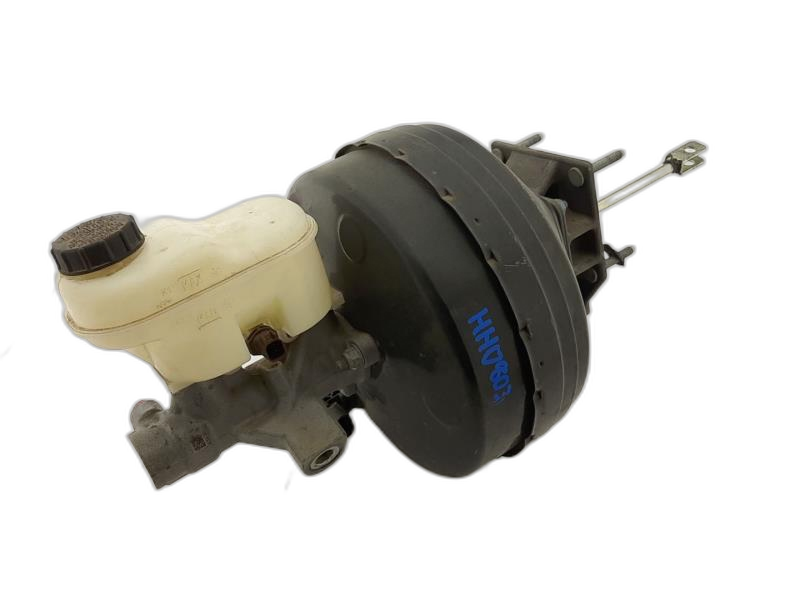
- Inspect the Reservoir: Check the plastic fluid reservoir for any cracks, yellowing, or brittleness. Ensure the cap seals tightly and the electrical connector for the fluid level sensor is intact and free of corrosion.
- Check the Body: Look at the aluminum body of the cylinder. Avoid any parts with heavy corrosion, especially around the threaded ports where the brake lines attach.
- Look for Leak Evidence: Check for dark staining or signs of fluid residue at the rear of the cylinder where the pushrod enters. This indicates a past or present leak from the main seal.
- Why Used OEM is often Better: The master cylinder is a precision component. An original TRW (an OE supplier for Porsche) or Genuine Porsche part has guaranteed material quality and machining tolerances. Many cheap aftermarket cylinders can fail prematurely or provide inconsistent pedal feel right out of the box.
Replacement Overview & Difficulty
Replacing the master cylinder on a 2006-2012 Cayman is a moderately difficult job, best suited for an experienced DIY mechanic.
- Difficulty Rating: 4 out of 5
- Key Steps: The job involves removing the plastic cowls in the front trunk (frunk) for access, draining the reservoir, disconnecting the hard lines and fluid level sensor, and unbolting the cylinder from the brake booster.
- Bench Bleeding: Before installing the replacement master cylinder, it is highly recommended to 'bench bleed' it. This process removes air from the cylinder itself before it's connected to the rest of the system and makes the final bleeding process much easier.
- System Bleeding (CRITICAL): This is the most crucial and challenging part of the job. Air in the brake lines will result in a spongy, unsafe pedal. You must bleed all four calipers in the correct sequence (farthest from the master cylinder to closest): rear-right, rear-left, front-right, front-left. Porsche calipers have two bleeder screws—an inner and an outer one. Both must be bled.
- Activating the ABS Pump: To ensure all air is removed from the hydraulic block, it is often necessary to use a Porsche-specific diagnostic tool (like Durametric or an iCarsoft scanner) to cycle the ABS pump during the bleeding process. Skipping this step is a common reason for a spongy pedal after replacement.
Cost Comparison
| Part Type | Estimated Cost |
|---|---|
| New Genuine Porsche | $200 - $350 |
| New OE Supplier (e.g., TRW) | $75 - $120 |
| New Aftermarket (e.g., Dorman) | $90 - $150 |
| Used OEM | $50 - $100 |
| Shop Labor | $250 - $450 |
Frequently Asked Questions (FAQ)
Do I absolutely have to bleed the ABS pump with a scan tool?
While you might get a decent pedal without it, activating the ABS pump is the only way to guarantee all trapped air is purged from the system after a master cylinder replacement. If you have a spongy pedal that won't go away after multiple bleeding attempts, trapped air in the ABS module is the most likely cause.
What kind of brake fluid does the 2006-2012 Cayman use?
These vehicles require a high-quality DOT 4 brake fluid. Never reuse old fluid, and only use fluid from a new, sealed container to avoid moisture contamination, which lowers the boiling point and can cause corrosion.
My brake pedal is soft, but it doesn't sink to the floor. Is my master cylinder bad?
Not necessarily. A soft or mushy pedal is a common characteristic of these cars. If the pedal is consistently soft but holds its position under pressure, the cause is more likely air in the lines, old fluid, or simply the stock pedal feel. A pedal that slowly sinks while being held down points specifically to a failing master cylinder.
Will a master cylinder from a Porsche 911 or Boxster fit my Cayman?
Yes, in many cases. The 987 Cayman shares its platform with the 987 Boxster and many braking components with the 997-generation 911. However, you must still strictly follow the compatibility rules regarding transmission type and brake system (Standard vs. PCCB). Always cross-reference part numbers for 100% certainty.
Technical Specifications
OEM Part Numbers: 99735501300 99735501301 99735501320 99735501321 99735591000 99735591001 99735591010 99735591011
Bore Diameter: ~1 inch (25.4mm) for standard models. Fluid Type: DOT 4 Brake Fluid.
We Have This Part in Stock

The information in this article is provided for general reference and educational purposes only. Vehicle specifications, procedures, and part compatibility can vary by production date, trim level, and region. Always consult your vehicle's factory service manual and verify part numbers before purchasing or performing repairs. Safety-critical components such as airbags, seat belts, and braking systems should be installed by a qualified professional.
- Porsche Cayman:
- 🛍️ Shop This Part
- Symptoms of a Failing Brake Master Cylinder
- 1. Spongy or Sinking Brake Pedal
- 2. Visible Brake Fluid Leaks
- 3. Contaminated Brake Fluid or Low Fluid Level
- 4. Brake Warning Light
- Important Compatibility Warnings for 2006-2012 Cayman
- 1. Manual vs. Automatic (Tiptronic/PDK) Transmission
- 2. Standard Brakes vs. Ceramic Brakes (PCCB)
- The 'Mushy Pedal' Complaint and the GT3 Upgrade
- Buying a Used Brake Master Cylinder: What to Look For
- Replacement Overview & Difficulty
- Cost Comparison
- Frequently Asked Questions (FAQ)
- 🎟️ Get 5% Off