

2001-2005 Miata Brake Master Cylinder: Avoiding the ABS vs. Non-ABS Trap
This guide covers the critical differences between the two types of master cylinders for the 2001-2005 'NB' Miata, ensuring you get the right part the first time.
- You must verify if your Miata has ABS before buying; the ABS and non-ABS master cylinders are not interchangeable.
- A sinking or spongy brake pedal is the most common sign of a failing master cylinder.
- Bench bleeding the replacement master cylinder before installation is a mandatory step to ensure a firm brake pedal.
- A high-quality used OEM part is often a better choice than a cheap, new aftermarket unit due to superior materials and construction.
Symptoms of a Failing 2001-2005 Miata Brake Master Cylinder


A failing master cylinder is a critical safety issue that should be addressed immediately. The symptoms are often related to a loss of hydraulic pressure. Look for these common warning signs:
- Spongy or Soft Brake Pedal: This is the most common symptom. The pedal feels mushy and lacks its usual firmness, often sinking further than normal when pressed. This is caused by internal seals wearing out and allowing fluid to bypass them instead of building pressure.
- Brake Pedal Sinks to the Floor: When holding the brake pedal at a stop, you may feel it slowly sink towards the floor. This indicates an internal leak, where pressure is bleeding off inside the cylinder.
- Brake Warning Light: A drop in hydraulic pressure or a low fluid level in the reservoir can trigger the brake warning light on your dashboard.
- Visible Fluid Leaks: Check for brake fluid leaking from the rear of the master cylinder, where it mounts to the brake booster on the firewall. You might also see seepage around the reservoir cap.
- Contaminated Brake Fluid: If the brake fluid in the reservoir looks dark, cloudy, or contaminated, it can be a sign that the seals inside the master cylinder are breaking down and deteriorating.
The Most Important Check: ABS vs. Non-ABS Models

The single biggest mistake when replacing a 2001-2005 Miata master cylinder is buying the wrong version. The parts for cars with Anti-lock Brakes (ABS) and those without are not interchangeable. Installing the wrong one will result in improper brake performance and is a major safety hazard.
Warning: You must verify if your vehicle has ABS before ordering. The two master cylinder types have different internal bore sizes and brake line port configurations to work with their respective systems.
How to Tell if Your Miata Has ABS
- Check the Dashboard: When you first turn the key to the 'ON' position, an amber "ABS" light should briefly illuminate on the instrument cluster if the system is present.
- Look Under the Hood: This is the most definitive check. On the passenger side of the engine bay, near the firewall, look for a metal block with multiple brake lines running into and out of it, along with an electrical connector. This is the ABS hydraulic unit and pump. If you only see brake lines running directly from the master cylinder towards the wheels without this intermediate block, your car does not have ABS.
Buying a Used 2001-2005 Miata Brake Master Cylinder
A quality used OEM master cylinder can be a reliable and cost-effective alternative to expensive new parts or lower-quality aftermarket units. Here’s what to look for:
- Verify Compatibility: First and foremost, confirm if the donor car had ABS or not, and match it to your vehicle. Cross-reference the part number if possible. The primary part number for ABS models is NC78-43-400B.
- Inspect for Leaks: The most critical area to inspect is the rear seal where the cylinder mounts to the brake booster. Look for any signs of fluid stains, wetness, or peeling paint on the booster below the cylinder, which indicates a leak.
- Check the Reservoir: The plastic fluid reservoir should be free of cracks. The fluid inside, if any, should be relatively clear, not black or sludgy. A very dirty reservoir can suggest a neglected brake system.
- Examine the Fittings: Ensure the threaded ports for the brake lines are clean and not cross-threaded or stripped. Heavy corrosion around the fittings can make installation difficult and may suggest the part has been exposed to the elements.
- Why Used OEM is a Good Choice: Genuine Mazda master cylinders are built to high standards. Budget aftermarket units can sometimes use lower-quality seals or have slight variations in bore size, leading to a spongy pedal or premature failure. A low-mileage, well-inspected used OEM part often provides better long-term performance than a cheap new alternative.
Known Issues, Recalls, and Service Bulletins
There are no major recalls or TSBs specifically for master cylinder failure on the 2001-2005 Miata. However, a general Mazda TSB was issued for brake fluid seepage from the reservoir cap due to seal aging, which can affect these models. The fix involves replacing the cap with an improved part. Additionally, an emissions-related recall was issued for 2001-2002 models to reprogram the ECU for better cold-start emissions, but this is unrelated to the braking system.
Replacement Overview & Difficulty
- Difficulty Rating: 3 out of 5. The mechanical steps are straightforward, but proper brake bleeding is required, which can be challenging for beginners.
- Key Steps:
- Use a flare nut wrench to disconnect the brake lines from the master cylinder to avoid stripping the fittings.
- Remove the two nuts holding the master cylinder to the brake booster.
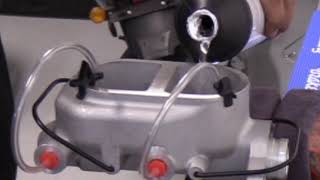
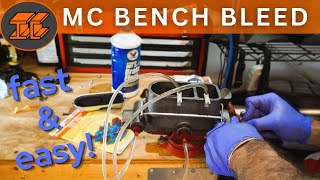
- Crucially, you must bench bleed the replacement master cylinder before installation. This involves mounting it in a vise, attaching bleeder hoses, and pumping the piston with a screwdriver until no more air bubbles emerge from the fluid. 🎬 Watch a quick guide on bench bleeding your master cylinder Failing to do this will make it extremely difficult to get a firm pedal later.
- Install the new cylinder, reconnect the brake lines, and then bleed the entire brake system, typically starting from the wheel furthest from the master cylinder (rear right). 🎬 Watch this step-by-step Miata master cylinder replacement video
Pro Tip: Use a set of flare nut wrenches for this job. A standard open-end wrench can easily round off the soft metal of the brake line fittings, turning a simple job into a major headache.
| Part Type | Estimated Cost |
|---|---|
| New OEM (Mazda) | $390 - $475 |
| New Aftermarket | $75 - $160 |
| Used OEM | $50 - $110 |
| Shop Labor | $304 - $446 |
Frequently Asked Questions (FAQ)
Do I absolutely have to bench bleed the new master cylinder?
Yes. This is the most important step for a successful replacement. A master cylinder has complex internal passages, and if you install it dry, it's very difficult to push all the trapped air out through the small bleeder screws at the wheels. Bench bleeding removes the air from the cylinder itself, ensuring you can achieve a firm brake pedal after installation.
What's the real difference between the ABS and non-ABS master cylinders?
The primary differences are in the brake line port configuration and the internal bore diameter. The ABS version has two outlets that feed the ABS hydraulic unit, while the non-ABS version may have more ports to feed the wheels directly. The bore size is also matched to the fluid volume requirements of the specific system. Using the wrong one will affect pedal feel and braking balance.
Can I just replace the seals in my old master cylinder?
While rebuild kits are sometimes available, it's generally not recommended for a DIY repair. The cylinder bore can become worn or scored over time, and new seals may not seat properly, leading to a quick failure. Given the critical safety nature of the part and the affordable cost of a quality used OEM or new aftermarket unit, replacement is the safer option.
What kind of brake fluid should I use for my 2001-2005 Miata?
Always check the cap of the brake fluid reservoir or your owner's manual, but these vehicles typically require DOT 3 or DOT 4 brake fluid. It is critical to use new, unopened fluid, as brake fluid absorbs moisture from the air, which can cause corrosion and reduce boiling point.
Helpful Videos
Technical Specifications
OEM Part Numbers: NC7243400A NC7243400B NC78-43-400A NC78-43-400B NC7843400A NC7843400B
Varies by ABS or non-ABS application. ABS models use part number NC78-43-400B. Non-ABS models use a different part number and have a different internal bore diameter.

The information in this article is provided for general reference and educational purposes only. Vehicle specifications, procedures, and part compatibility can vary by production date, trim level, and region. Always consult your vehicle's factory service manual and verify part numbers before purchasing or performing repairs. Safety-critical components such as airbags, seat belts, and braking systems should be installed by a qualified professional.
- Mazda MX-5 Miata:
- 🎬 Helpful Videos
- Symptoms of a Failing 2001-2005 Miata Brake Master Cylinder
- The Most Important Check: ABS vs. Non-ABS Models
- How to Tell if Your Miata Has ABS
- Buying a Used 2001-2005 Miata Brake Master Cylinder
- Known Issues, Recalls, and Service Bulletins
- Replacement Overview & Difficulty
- Frequently Asked Questions (FAQ)
- 🎟️ Get 5% Off