

2014-2018 Transit Connect & Focus RS Brake Master Cylinder: Spongy Pedal & Part Number Guide
Diagnose a soft brake pedal and learn how to choose the correct used OEM master cylinder by matching part numbers and checking for Start/Stop technology.
- A failing master cylinder is a critical safety issue; do not drive the vehicle if you suspect a problem.
- The most common symptom is a soft, spongy brake pedal that may sink to the floor while holding pressure.
- Compatibility is key: Match the OEM part number and verify the electrical connector for vehicles with/without Auto Start/Stop technology.
- This part is also used on the 2016-2018 Ford Focus RS, which can help when searching for a used unit.
- Bench bleeding the new master cylinder before installation is a mandatory step to ensure all air is removed from the system.
Symptoms of a Failing Brake Master Cylinder

A failing brake master cylinder is a critical safety issue that rarely happens without warning. The most common symptoms are related to a change in how the brake pedal feels and performs. If you experience any of these signs, you should stop driving the vehicle immediately.
- Spongy or Soft Brake Pedal: This is the most common symptom. The pedal feels mushy and lacks its usual firmness, often because air has entered the system or internal seals are failing.
- Pedal Sinks to the Floor: When you hold your foot on the brake pedal at a stop, it may slowly sink towards the floor. This indicates an internal leak, where fluid is bypassing the piston seals inside the cylinder instead of holding pressure.
- Brake Warning Light: The red brake warning light on your dashboard may illuminate. This is often triggered by a low fluid level sensor in the master cylinder's reservoir.
- Low or Leaking Brake Fluid: You may notice the fluid level in the reservoir is dropping. The leak can be external, visible on the cylinder itself or where it mounts to the brake booster, or it can be an internal leak into the brake booster, which is harder to spot.
- Contaminated Brake Fluid: If the fluid in the reservoir looks dark, dirty, or has black specks in it, this can be a sign that the rubber seals inside the master cylinder are breaking down.
- Inconsistent Braking: The brakes may work correctly one moment and then feel weak or unresponsive the next. This unpredictability is extremely dangerous.
Known Issues, Recalls, and Technical Service Bulletins (TSBs)

As of this writing, there are no specific safety recalls for the brake master cylinder on the 2014-2018 Ford Transit Connect in the North American market. However, it's a known issue on other Ford vehicles from the same era.
Ford issued Safety Recall 16S24 for certain 2013-2014 F-150 trucks for a nearly identical problem: a seal in the master cylinder could fail, allowing brake fluid to leak into the brake booster, leading to a loss of front brake function. While this recall does not apply to the Transit Connect, it shows that this failure mode was a concern for Ford during this period.
Some owners of the second-generation Transit Connect have also reported issues with brakes binding or locking on, which has been traced to faults within the ATE MK100 ABS module on some models. While this is a separate component, it is part of the overall braking system and can sometimes be misdiagnosed as a master cylinder problem.
Warning: A failing brake master cylinder is a critical safety failure. Do not drive a vehicle with a suspected bad master cylinder. The pedal can go to the floor with little or no warning, resulting in a complete loss of braking ability.
Buying a Used 2014-2018 Transit Connect Brake Master Cylinder

A used OEM master cylinder can be a reliable and cost-effective alternative to expensive new parts, especially when compared to cheap, low-quality aftermarket units. Because braking performance is so critical, it's essential to buy a quality part. An OEM unit was designed and tested by Ford specifically for your vehicle's weight, braking bias, and ABS system.
1. Verify Compatibility by Part Number
The most important step is to match the part number. Ford has updated this part several times. The most current primary part number is KV6Z-2140-C. This number supersedes older versions like AV6Z-2140-A, DV6Z-2140-G, and others. Always match the part number on the used unit to the one you are replacing or check with a dealer using your VIN.
2. Check for Start/Stop Technology
A key compatibility trap is the difference between master cylinders for vehicles with and without Auto Start/Stop technology. This feature, which shuts the engine off at stops to save fuel, requires specific sensors to work correctly. While the basic cylinder may be the same, the fluid reservoir or the cylinder body may have a different electrical connector for a sensor that communicates with the engine computer. Carefully compare the electrical connector on the used part with your original to ensure they match perfectly.
3. Physical Inspection
When inspecting a used master cylinder, look for:
- No Cracks or Damage: Inspect the plastic reservoir and the aluminum body for any cracks, deep gouges, or signs of impact.
- Clean Fluid Ports: The ports where the brake lines connect should be clean and the threads should be in good condition. Ensure the protective plugs are still in place if it was stored properly.
- Condition of the Reservoir: The reservoir should be clean, not cloudy or yellowed. Check that the cap and low-fluid level sensor are intact and the connector pins are not corroded.
- No Signs of Leaks: Look for any staining or evidence of brake fluid leaks, especially around the rear seal where it mounts to the brake booster.
4. Check Cross-Compatibility (Ford Focus RS)
This master cylinder is also the same part used on the high-performance 2016-2018 Ford Focus RS. This is a valuable piece of information, as it widens the pool of potential donor vehicles when searching for a used part.
Replacement Overview & Difficulty
- Difficulty: 3/5 (Moderate)
- Estimated Time: 1.5 - 2.5 hours
- DIY Feasible: Yes, for an experienced DIYer with the right tools.
Replacing the master cylinder is a multi-step process that is manageable for a home mechanic, but it requires careful attention to detail because air in the brake system is dangerous. The most critical and often-skipped step is bench bleeding the new master cylinder before installing it in the vehicle.
Pro Tip: Bench bleeding involves securing the new master cylinder in a vise, attaching tubes from the outlet ports back into the reservoir, filling it with fresh fluid, and slowly pushing the piston in with a dowel until no more air bubbles come out of the tubes. Failing to do this will make it extremely difficult, if not impossible, to bleed all the air out of the system once installed.
After the bench-bled master cylinder is installed, the entire vehicle brake system must be bled, starting from the wheel farthest from the master cylinder (typically the right rear) and working closer.
Cost Comparison
| Part Type | Estimated Cost |
|---|---|
| New OEM | $190 - $320 |
| New Aftermarket | $50 - $160 |
| Used OEM | $45 - $120 |
| Remanufactured | $60 - $110 |
| Shop Labor | $230 - $340 |
Technical Specifications & Part Numbers

These specifications are crucial for ensuring you get the correct part for your van.
- Bore Size: 1 inch
- Primary OEM Part Numbers (Current): KV6Z-2140-C, BRMC217 (Motorcraft)
- Superseded OEM Part Numbers: AV612140GA, AV6Z2140A, BV6Z2140A, DV612140GA, DV6Z2140G, EV6Z2140A, BRMC158
- Compatible Models: 2014-2018 Ford Transit Connect, 2016-2018 Ford Focus RS
Frequently Asked Questions (FAQ)
Do I absolutely have to bench bleed the new master cylinder?
Yes. This step is not optional. A master cylinder has complex internal passages, and if you install it dry, you will trap large pockets of air that are nearly impossible to remove by only bleeding the wheel calipers. This will result in a spongy pedal and unsafe braking.
What's the difference between the master cylinder for models with and without Auto Start/Stop?
The main difference is likely an additional sensor or a different electrical connection on the master cylinder or its reservoir. The Auto Start/Stop system needs to know the status of the brake system to decide when to shut off and restart the engine. You must match the part to your vehicle's specific configuration to avoid system errors or malfunctions.
Can I reuse my old brake fluid reservoir on the new master cylinder?
While some aftermarket master cylinders are sold without a reservoir, it is generally recommended to use the new reservoir that comes with the new or used OEM part. The seal between the reservoir and the cylinder body can become brittle and fail, creating a leak. Swapping reservoirs introduces a potential failure point.
Is the brake master cylinder from a Ford Focus always the same as the Transit Connect?
No. Only the master cylinder from the high-performance 2016-2018 Focus RS model is a direct match for the 2014-2018 Transit Connect. Master cylinders from standard Ford Focus models are different and will not work.
Technical Specifications
OEM Part Numbers: KV6Z-2140-C AV6Z2140A BV6Z2140A DV6Z2140G EV6Z2140A BRMC217 BRMC158
Bore Size: 1 inch. Dual-circuit design. Available for models with and without Auto Start/Stop technology.
We Have This Part in Stock
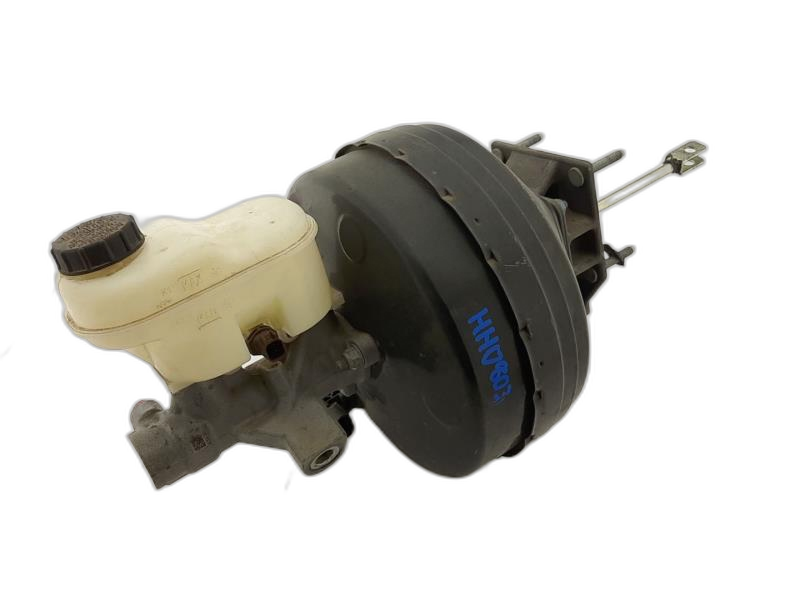

The information in this article is provided for general reference and educational purposes only. Vehicle specifications, procedures, and part compatibility can vary by production date, trim level, and region. Always consult your vehicle's factory service manual and verify part numbers before purchasing or performing repairs. Safety-critical components such as airbags, seat belts, and braking systems should be installed by a qualified professional.
- Ford Transit Connect:
- 🛍️ Shop This Part
- Symptoms of a Failing Brake Master Cylinder
- Known Issues, Recalls, and Technical Service Bulletins (TSBs)
- Buying a Used 2014-2018 Transit Connect Brake Master Cylinder
- 1. Verify Compatibility by Part Number
- 2. Check for Start/Stop Technology
- 3. Physical Inspection
- 4. Check Cross-Compatibility (Ford Focus RS)
- Replacement Overview & Difficulty
- Cost Comparison
- Technical Specifications & Part Numbers
- Frequently Asked Questions (FAQ)
- 🎟️ Get 5% Off