

1997 Dodge Ram 1500 Brake Master Cylinder: Solving Spongy Pedals and Fitment Issues
This guide covers the common failure symptoms, critical compatibility warnings, and replacement tips for the 1997 Dodge Ram 1500 brake master cylinder.
- Compatibility is critical: This part only fits 1997 Ram 1500 4x2 gas models with a 7,500 lb GVW rating.
- A sinking brake pedal is the primary symptom of an internal master cylinder failure and is a major safety hazard.
- The new or used replacement master cylinder MUST be bench bled before it is installed in the truck.
- Always use a flare nut wrench (line wrench) when disconnecting and connecting brake lines to avoid stripping the fittings.
Symptoms of a Failing 1997 Dodge Ram 1500 Master Cylinder


A faulty master cylinder is a critical safety issue that should be addressed immediately. The symptoms often relate to how the brake pedal feels under your foot. Here are the most common signs of failure:
- Sinking Brake Pedal: This is the most definitive sign of an internal master cylinder failure. When you hold steady pressure on the brake pedal (for example, at a stoplight), it slowly sinks towards the floor. This happens because the internal seals on the cylinder's piston are worn, allowing fluid to leak past them instead of holding pressure. The truck may still stop, but the pedal feel is unnerving and unsafe.
- Spongy or Soft Brake Pedal: A pedal that feels soft, mushy, or spongy when you press it usually indicates air in the brake lines. While this can be caused by many things, a failing master cylinder can introduce air into the system. If you have to pump the pedal to get a firm response, it's a strong indicator of a problem.
- Brake Fluid is Low or Contaminated: If you notice the brake fluid level in the reservoir is dropping but can't find an external leak at the wheels or along the lines, the master cylinder may be leaking from its rear seal into the brake booster. You can check for this by removing the master cylinder and looking for wetness inside the booster. Additionally, if the brake fluid, which should be clear or light gold, appears dark, cloudy, or has debris in it, it can be a sign of internal seals breaking down.
- Brake Warning Light: A drop in fluid level caused by a leak will trigger the brake warning light on your dashboard. If this light comes on, check your fluid level immediately.
Critical Compatibility Warning: Not all 1997 Ram 1500 master cylinders are the same. Compatibility is extremely specific. Before purchasing, verify the following:
- Gross Vehicle Weight (GVW): This part is for standard models with a 7,500 lb GVW rating. It will NOT fit heavy-duty models with an 8,800 lb GVW rating. Check the sticker on the driver's side door jamb to confirm your truck's GVW.
- Engine Type: This master cylinder fits gasoline engine models only. Diesel models use a different braking system.
- Drivetrain: It is specified for 4x2 (2-wheel drive) models.
- Front Axle: Compatibility may also depend on having a Spicer 44 front axle. While harder to verify, ensuring the GVW and engine type match is the most critical step.
Ordering the wrong part will result in improper brake performance or an inability to install it. Always match your vehicle's specifications to the part description.
Diagnosing the Failure
Before replacing the master cylinder, it's wise to confirm it's the true source of the problem.
- Check for External Leaks: Thoroughly inspect all brake lines, hoses, calipers, and wheel cylinders for any sign of wetness from leaking brake fluid. A leak elsewhere will also cause a soft pedal and fluid loss.
- Test the Brake Booster: A faulty brake booster can cause a hard pedal, not a soft or sinking one. To test it, pump the brakes several times with the engine off to deplete the vacuum. Then, hold the pedal down with firm pressure and start the engine. If the booster is working, the pedal should drop slightly as vacuum builds.
- Confirm Internal Failure: If there are no external leaks and the booster checks out, a sinking pedal almost always points to an internal failure in the master cylinder.
Buying a Used 1997 Ram 1500 Master Cylinder
A recycled OEM master cylinder can be a reliable and cost-effective alternative to new parts. Because they are built to Dodge's original specifications, they often offer better quality and fit than cheap aftermarket alternatives. Here’s what to inspect:
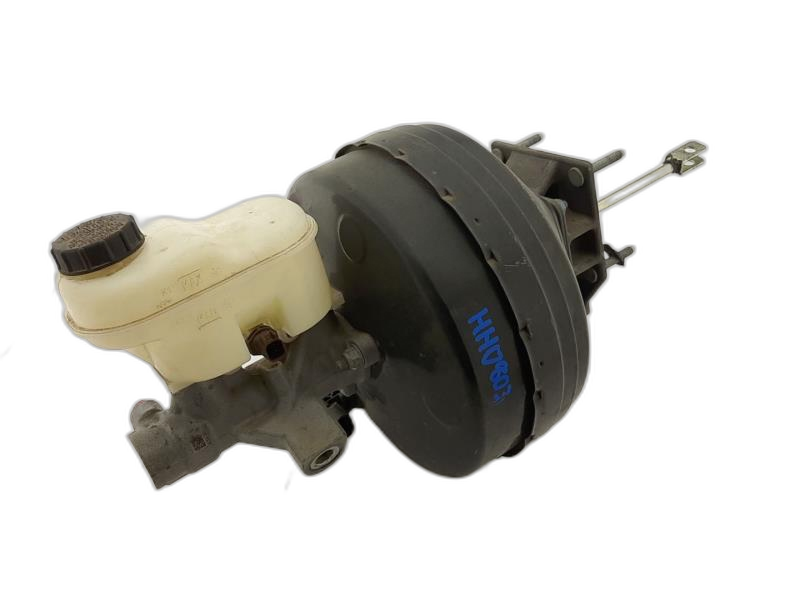
- Check the Reservoir: Carefully inspect the plastic fluid reservoir. Look for any cracks, especially around the base where it connects to the cylinder body and at the cap. Ensure the fluid level sensor and its electrical connector are intact and not damaged.
- Inspect the Body and Fittings: Look at the aluminum body for any signs of heavy corrosion or damage. Most importantly, check the threaded ports where the brake lines connect. Ensure the threads are clean and not stripped or cross-threaded. Avoid any unit where the old line fittings were cut or are still seized in the ports.
- Look for Leak Evidence: Check the rear of the cylinder where it mounts to the brake booster. Any signs of dried brake fluid or staining indicate the rear seal was leaking, but since it's a used part, this isn't always a deal-breaker if the part has been cleaned and inspected.
- Mileage and Condition: Prefer a part from a lower-mileage vehicle if possible. A clean part from a dry, rust-free region is always a better bet than a heavily corroded one.
Replacement Overview
Replacing the master cylinder is a moderately difficult job that a skilled DIYer can perform. The most critical part of the process is bleeding the air out of the system correctly.
- Installation Difficulty: 3 out of 5.
- Estimated Time: 1.5 - 2.5 hours.
- Essential Tools: Flare nut wrenches (also called line wrenches) are mandatory for removing the brake lines without stripping the fittings. You will also need a basic socket set, a vise, and a bench bleeding kit (or tubing).
Pro Tip: Before installing the new master cylinder, look into the port on the brake booster. If you see any brake fluid inside, the old master cylinder's rear seal has failed. You must completely clean and dry out the inside of the brake booster before installing the new part, as brake fluid can damage the booster's diaphragm.
Key Replacement Steps
- Bench Bleed the New Cylinder: This is the most important step and MUST be done before installation. Mount the new master cylinder in a vise, attach the bleeder kit hoses from the outlet ports back into the reservoir, fill it with fresh brake fluid, and slowly pump the piston with a screwdriver or dowel until no more air bubbles emerge from the hoses. Skipping this step will make it nearly impossible to get all the air out of the brake system later.
- Remove the Old Cylinder: Use a flare nut wrench to carefully loosen the brake line fittings. Then, remove the two nuts holding the master cylinder to the brake booster and lift it out.
- Install the New Cylinder: Mount the bench-bled master cylinder onto the booster studs and tighten the nuts. Connect the brake lines, making sure not to cross-thread them.
- Bleed the Entire Brake System: Once the new master cylinder is installed, you must bleed the entire brake system to remove any air that entered the lines. Start at the wheel farthest from the master cylinder (typically the rear passenger side) and work your way closer.
Cost Comparison
Prices for a 1997 Dodge Ram 1500 master cylinder can vary significantly based on the source.
| Part Type | Estimated Cost |
|---|---|
| New OEM | $200 - $350+ (Estimate) |
| New Aftermarket | $45 - $120 |
| Remanufactured | $40 - $80 |
| Used OEM | $35 - $75 |
| Shop Labor | $100 - $150 |
Known Issues, TSBs, and Recalls
As of mid-2024, there are no specific factory recalls from Dodge for the brake master cylinder on the 1997 Ram 1500. However, several Technical Service Bulletins (TSBs) exist for general brake system diagnosis, such as TSB #050397 which covers chassis dynamics diagnosis. There have been recalls in the past for certain aftermarket-branded master cylinders sold for these trucks due to seals that could fail in very cold temperatures, but these were not issued by Dodge.
Frequently Asked Questions (FAQ)
Do I really have to bench bleed the master cylinder?
Yes, absolutely. This is a non-negotiable step. Attempting to bleed the master cylinder once it's installed on the truck is extremely difficult and often traps air inside, resulting in a permanently spongy pedal. Bench bleeding ensures all internal air pockets are removed before it's connected to the rest of the system.
My brake pedal sinks to the floor but I don't see any leaks. Is it the master cylinder?
Yes, this is the classic symptom of an internal leak within the master cylinder. The seals inside the cylinder are worn, allowing fluid to bypass the piston when you hold the pedal down. The fluid isn't leaking out of the system, so you won't see puddles, but it can't hold pressure.
What is the difference between the 7,500 lb and 8,800 lb GVW master cylinders?
The master cylinders for different Gross Vehicle Weight ratings have different bore sizes and fluid displacement characteristics designed to work with the specific calipers, wheel cylinders, and brake booster of that particular configuration. Using the wrong one will result in poor brake performance, either a pedal that is too hard with little stopping power or one that is too soft and travels too far.
Can I use a master cylinder from a 4x4 or diesel Ram on my 4x2 gas model?
No. The master cylinders are specific to the drivetrain and engine type. Diesel trucks use a completely different hydro-boost brake system that runs off the power steering pump, and 4x4 models may have different specifications. You must use a part that is specified for a 1997 Ram 1500 4x2 with a gasoline engine and 7,500 lb GVW.
Technical Specifications
OEM Part Numbers: 04778453 4778453
Body Material: Aluminum, Reservoir Included: Yes, Number of Ports: 2, Bore Size: 1.25 Inch
We Have This Part in Stock

The information in this article is provided for general reference and educational purposes only. Vehicle specifications, procedures, and part compatibility can vary by production date, trim level, and region. Always consult your vehicle's factory service manual and verify part numbers before purchasing or performing repairs. Safety-critical components such as airbags, seat belts, and braking systems should be installed by a qualified professional.
- Dodge Ram 1500: