

2020 Audi Q7 & SQ7 Brake Fluid Warning Light: Sensor and Connector Guide
Diagnose and fix a persistent brake warning light on your 2020 Audi Q7 or SQ7, which can be caused by a faulty sensor connector, not just low fluid.
- A persistent brake warning light with a full reservoir is often caused by a faulty sensor connector, not the sensor itself.
- The sensor is integrated into the brake fluid reservoir; it is not sold separately by Audi. You must replace the entire reservoir or repair the wiring.
- The correct part number for the connector repair pigtail is often 8K0973702. Always verify by photo-matching.
- Diagnose the issue before buying parts: if the light stays on with the sensor unplugged, the fault is in the wiring, not the sensor/reservoir.
Vehicle Fitment
This guide applies to the following vehicles, which share the same braking system components:
- 2020 Audi Q7
- 2020 Audi SQ7
Symptoms of Failure
The most common sign of a problem with the brake fluid level sensor or its connector is an issue with the brake warning light on your instrument cluster. Here’s what to look for:
- Brake Warning Light Stays On: The most frequent symptom is a red or yellow brake warning light that remains illuminated even when you have visually confirmed the brake fluid reservoir is full. This points to a sensor that is stuck in the 'low' position or a faulty electrical connection.
- Intermittent or Flickering Warning Light: The light may flash on and off, especially during turns, acceleration, or when driving over bumps. This often indicates a loose electrical connector or corroded pins that are making and breaking contact.
- Warning Light Never Comes On: In some cases, the sensor or circuit can fail in a way that prevents the warning light from ever turning on, even during the vehicle's initial self-test when you turn the key. This is dangerous as you won't be alerted to a genuinely low fluid level.
Pro Tip: A brake warning light can also be triggered by low voltage from a failing battery or alternator, or by worn brake pads on vehicles with pad wear sensors. If your fluid level is correct, it's wise to check these other systems as well.
Diagnosing the Issue: Sensor or Connector?
Before buying any parts, follow these steps to determine the source of the problem.
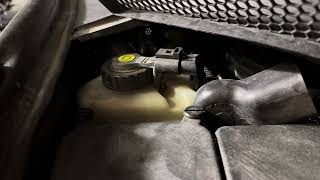
- Check the Fluid Level: This is always the first step. Locate the brake fluid reservoir in the engine bay, near the driver's side firewall. 🎬 Watch: Locate your Audi Q7 brake fluid reservoir On these models, it is often under a plastic cover. Visually inspect the fluid level against the 'MIN' and 'MAX' marks on the side of the translucent tank. If the fluid is low, you have a leak in your brake system that must be found and repaired immediately.
- Inspect the Connector: If the fluid level is correct, inspect the electrical connector plugged into the reservoir. Look for signs of corrosion (green or white crust), pushed-out pins, or damaged wires. Wiggle the connector with the ignition on to see if it causes the light to flicker.
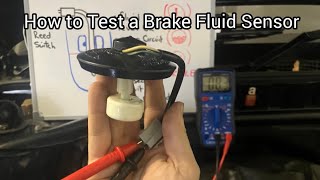
- Test the Circuit: The sensor on these vehicles is typically a normally open circuit that closes when the fluid is low, completing the circuit and turning on the light. You can test this by unplugging the connector and observing the dash light. If unplugging it makes the light go out, it suggests the sensor itself is faulty (stuck in the 'closed' position). If the light stays on even with the connector unplugged, the problem is likely a short in the wiring harness or the connector itself. A multimeter can be used to test for continuity across the sensor's pins; there should be no continuity when the fluid is full. 🎬 See how to test a brake fluid level sensor
Known Issues, TSBs, and Recalls
As of mid-2026, there are no specific recalls or widespread Technical Service Bulletins (TSBs) for the 2020 Audi Q7 or SQ7 that directly address the brake fluid level sensor or its connector.
- TSB 47 21 08 (2055646/2): This TSB addresses a hard brake pedal and a no-start condition after the vehicle has been parked, which is caused by a faulty non-return valve in the brake booster vacuum hose. While not directly related to the level sensor, it is a known brake system issue for 2017-2021 Q7 and SQ7 models.
- TSB 90 20 37 (2058077/3): This bulletin is for unexpected Audi pre sense warnings or brake engagement, which involves the braking system but is related to the forward-facing driver-assist cameras and sensors, not the fluid level sensor.
Owners have reported various brake system fault codes, such as C11EC 04, P050F 00, and C123E F0, which point to issues with the ABS pump, brake booster vacuum, or sensor circuits. These are typically diagnosed by a professional with a compatible scan tool.
Part Number Confusion: The part numbers 4M0805594, 4M0805594B, 4M0805594D, and 4M0805594E are for the vehicle's front lock carrier (radiator support), NOT the brake fluid level sensor or connector. This is a common point of confusion in parts catalogs. Do not purchase these parts to fix a brake fluid level sensor issue.
Buying a Used Brake Fluid Level Sensor Connector
Since the sensor is integrated into the brake fluid reservoir, you will typically purchase the entire reservoir assembly or a pigtail connector for repair. When buying a used part, focus on these details:
- Reservoir Inspection: If buying a used reservoir, inspect the plastic for any cracks, cloudiness, or signs of staining from leaks. Ensure the cap seals tightly. The internal float mechanism should be free and not stuck.
- Connector Inspection: If buying a pigtail connector, this is the most critical part. The plastic housing must be free of cracks and the locking tab must be intact. The metal pins inside should be clean, straight, and free of any green or white corrosion.
- Wire Condition: The attached wires (pigtail) should be flexible and have at least 4-6 inches of length to allow for proper splicing. Avoid any connectors with brittle, stiff, or visibly heat-damaged wires.
- Verification: The connector for the brake fluid level sensor on many modern Audis is a standard 2-pin connector, often part number 8K0973702. Always compare photos of the part to the one on your vehicle to ensure an exact match before purchasing.
Replacement Overview & Difficulty
Replacing the connector is a straightforward task for a DIYer with basic electrical skills, while replacing the entire reservoir is more involved.
- Difficulty Rating: 2 out of 5 (Connector); 3 out of 5 (Reservoir)
- Procedure (Connector Pigtail):
- Disconnect the negative battery terminal.
- Unplug the faulty connector from the reservoir.
- Cut the wires leading to the old connector, leaving enough room to work.
- Strip a small amount of insulation from the vehicle's harness wires and the new pigtail wires.
- Splice the wires one by one, matching colors if possible. Use high-quality butt connectors with heat-shrink insulation or solder the wires and cover with heat-shrink tubing for a permanent, weather-resistant repair.
- Plug the new connector into the sensor, reconnect the battery, and test for function.
- Procedure (Reservoir): Replacing the reservoir requires removing fluid from the old unit, unbolting it from the master cylinder, and potentially bleeding the brake system afterward. This is more complex and may be best left to a professional if you are not comfortable with hydraulic brake work.
Cost Comparison
| Part | Estimated Cost |
|---|---|
| New OEM Reservoir (with Sensor) | $110 - $190 |
| New Aftermarket Reservoir (with Sensor) | $50 - $170 |
| Used OEM Reservoir (with Sensor) | $75 - $125 |
| New OEM Connector Pigtail | $10 - $30 |
| Shop Labor (Reservoir Replacement) | $100 - $150 |
Frequently Asked Questions (FAQ)
Can I just top off the brake fluid to turn the light off?
Only if the fluid is actually low. If the fluid is below the 'MIN' line, topping it off may temporarily turn off the light, but you must find and fix the underlying leak. If the fluid is already full, adding more will not fix a faulty sensor or connector and can cause overflow issues.
Is the brake fluid level sensor part of the reservoir cap?
No. On the 2020 Q7 and SQ7, the sensor is a float switch that is integrated into the body of the brake fluid reservoir itself, not the cap.
Why does the brake light only come on when I accelerate or turn?
This is a classic symptom of a fluid level that is just at the minimum threshold. The motion of the car causes the fluid to slosh away from the sensor, momentarily triggering the 'low' reading. It's a strong indicator that you should check your fluid level and inspect for leaks or worn brake pads.
Can I replace just the sensor without replacing the whole reservoir?
Generally, no. For these Audi models, the sensor is sold as an integral part of the brake fluid reservoir assembly. While some aftermarket sensors may be available separately, the standard OEM replacement is the complete reservoir.
Helpful Videos
Technical Specifications
OEM Part Numbers: 8W0611301 (Reservoir) 1S0611377 (Sensor, often included with reservoir) 8K0973702 (Connector Pigtail)
2-pin electrical connector
We Have This Part in Stock


The information in this article is provided for general reference and educational purposes only. Vehicle specifications, procedures, and part compatibility can vary by production date, trim level, and region. Always consult your vehicle's factory service manual and verify part numbers before purchasing or performing repairs. Safety-critical components such as airbags, seat belts, and braking systems should be installed by a qualified professional.
- Audi Q7:
- Audi SQ7: