

2022-2023 Kia Stinger Body Harness: Tracing Electrical Gremlins and Part Number Pitfalls
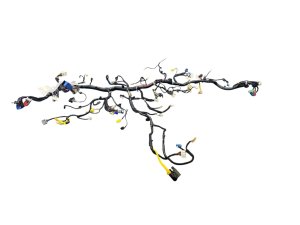
This guide covers the bizarre electrical symptoms of a failing body harness, how to buy the correct used part for your 2022-2023 Stinger, and why part number verification is absolutely critical.
- Part number verification is mandatory. You MUST use your VIN to confirm the exact part number with a Kia dealer, as trim and option packages require different harnesses.
- Failure typically causes multiple, bizarre, and unrelated electrical problems at once, such as a dead car that later comes back to life.
- Replacement is an expert-level job (5/5 difficulty) that requires complete removal of the car's interior, including the dashboard.
- When buying used, meticulously inspect every connector for melting or corrosion and check the entire length for cuts, splices, or rodent damage.
Symptoms of a Failing Body Wiring Harness
A failing body harness rarely causes a single, consistent problem. Instead, it often creates a frustrating and seemingly random collection of electrical issues. This is because a single damaged wire or corroded connector can affect multiple, unrelated systems. Owners of 2022-2023 Stingers have reported bizarre electrical events that can be traced back to wiring issues.
- Multiple Unrelated System Failures: This is the most common sign. For example, the driver's side power window, power locks, and sunroof may all stop working at the same time. Because these components are on different circuits, simultaneous failure points to a problem in the main harness that supplies them all.
- Intermittent "Electrical Gremlins": The vehicle may experience strange events with no clear cause. Some owners report the car being completely dead—no lights, no response from the key fob—only for it to suddenly power back on minutes or hours later. Another reported symptom is the car shutting down abruptly when the engine is turned off, instead of going through its normal shutdown sequence, and then resetting trip odometers and drive modes on the next startup.
- Flickering Lights and Gauges: Dashboard lights, interior dome lights, or headlights may flicker, dim, or work intermittently. The instrument cluster gauges might sweep erratically or stop working altogether.
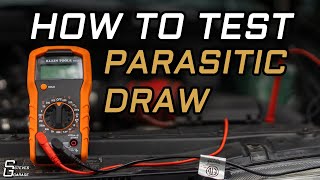
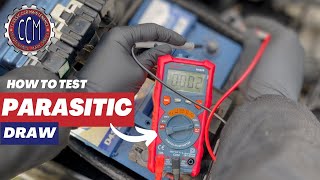
- Persistent Battery Drain: A short circuit within the harness can create a parasitic draw that drains the battery, even when the car is turned off. You might find your battery is dead overnight for no apparent reason. 🎬 See this guide on how to test for parasitic battery draw
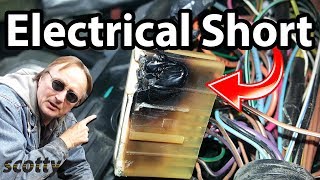
- Burning Plastic Smell: A strong smell of burning plastic is a critical warning sign. It indicates a short circuit is generating enough heat to melt the wire insulation and connectors, creating a significant fire risk. 🎬 Watch: How to quickly find an electrical short in your car If you smell this, disconnect the battery immediately.
Known Issues, Recalls, and Technical Service Bulletins (TSBs)
As of early 2026, there are no active recalls or Technical Service Bulletins (TSBs) specifically for the main body wiring harness on 2022-2023 Kia Stinger models.
However, it is important to be aware of a past issue on earlier models. Kia issued a safety recall (NHTSA Campaign #18V754000, Kia recall #SC170) for the 2018 Kia Stinger. The recall addressed a problem where the front wiring harness could rub against a sharp metal edge on the fender apron, potentially damaging the wire insulation. This could lead to an electrical short circuit and increase the risk of a fire in the engine compartment. While this recall does not apply to the 2022-2023 model years, it highlights a potential vulnerability in the vehicle's wiring layout that owners and technicians should be aware of.
Warning: The part numbers provided in the initial prompt are a source of confusion. Research shows that part number 91010-J5260 is often listed as an alloy wheel for the Stinger, not a wiring harness. Part number 91001J5210DS is listed as a "Main Wiring Assembly" on some dealer sites. Due to the high number of variations, you MUST verify the exact part number for your vehicle with a Kia dealership parts department using your VIN before ordering.
Buying a Used 2022-2023 Stinger Body Harness: A Buyer's Guide
Complete body harnesses are rarely available in the aftermarket, making a quality used OEM harness a practical and cost-effective solution. However, careful inspection is essential before you buy.
Physical Inspection Checklist
Bring the harness into a well-lit area and go over it inch by inch. Do not buy a harness that is tangled in a pile; it should be laid out as straight as possible.
- Check Every Connector: Look for any signs of melting, discoloration (from heat), or green/white crusty corrosion. Make sure no pins are bent, pushed back into the connector, or broken. Ensure all the plastic locking tabs are intact and click securely.
- Inspect for Cut or Spliced Wires: Look for any wires that have been cut. Pay close attention for signs of previous repairs, such as mismatched wire colors, bulky electrical tape, or cheap butt connectors. A factory harness will have consistent, high-quality wrapping.
- Examine Wire Insulation: Bend the wiring in a few places. The insulation should be flexible. If it feels brittle, hard, or cracks when you move it, the harness has likely been exposed to excessive heat and will not last.
- Look for Rodent Damage: Chewed wires are a common reason for harness replacement. Look for bite marks or sections where the insulation has been stripped away.
- Verify Main Grommets: Check the large rubber grommets, especially the main one that passes through the firewall. It should be intact, without any tears or extra holes cut into it, which could indicate improper installation of aftermarket accessories.
Why a Used OEM Harness is the Best Choice
For a complex part like a body harness, OEM is the only reliable option. An OEM harness guarantees that every connector, wire gauge, and length is an exact match for your Stinger's specific trim and options. Aftermarket harnesses for an entire vehicle body are virtually nonexistent due to the complexity and number of variations. A used OEM harness from a reputable recycler provides factory quality and fitment at a fraction of the cost of a new one.
Replacement Cost & Difficulty
Replacing a body wiring harness is one of the most labor-intensive repairs a vehicle can undergo. It requires the complete removal of the vehicle's interior, including the seats, center console, carpeting, and often the entire dashboard assembly. This is not a job for a DIY mechanic.
- Difficulty Rating: 5 out of 5 (Expert level, professional only)
- Estimated Time: 15 - 25 hours
- DIY Feasible: No
| Part/Service | Estimated Cost |
|---|---|
| New OEM Harness | $1,200 - $2,500+ (Special order from dealer) |
| New Aftermarket Harness | Not Available |
| Used OEM Harness | $300 - $800 |
| Shop Labor Cost | $1,800 - $3,500+ |
Frequently Asked Questions (FAQ)
Can I just repair my old wiring harness?
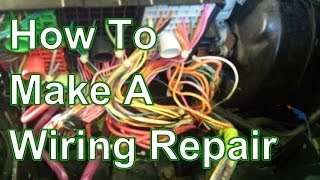
Repair is only feasible for isolated, easily accessible damage, like a single broken wire or a damaged connector end. 🎬 Watch: How to repair and fix damaged automotive wiring If the harness has widespread corrosion, heat damage, or multiple faults, replacement is the only reliable solution. Attempting to patch a severely damaged harness will likely lead to recurring problems.
Will a harness from a Stinger GT-Line work in my GT2?
Almost certainly not. Different trim levels and optional equipment packages (like sunroofs, premium audio, advanced driver-assistance systems) use different wiring harnesses with unique connectors and circuits. You must source a harness from a vehicle with the exact same options as yours, verified by part number and VIN.
What causes a body harness to fail besides accidents?
The most common causes of failure are rodent damage (rodents chewing on wires), water intrusion leading to corrosion, and damage from improper installation of aftermarket electronics like alarms or stereos where wires are poorly spliced or routed.
Does a new body harness need to be programmed?
No, the harness itself is a passive component and does not require programming. However, after the replacement is complete, a technician will need to use a professional scan tool to connect to every electronic module in the car, check for communication, and clear any fault codes that were stored during the disconnection and reconnection process.
Helpful Videos

Technical Specifications
OEM Part Numbers: 91001J5210DS (Example Main Harness, verify with VIN)
Part number is dependent on vehicle trim (GT-Line, GT1, GT2), engine, and optional features (sunroof, audio system, etc.). Visual confirmation and VIN-based lookup are required.
We Have This Part in Stock

The information in this article is provided for general reference and educational purposes only. Vehicle specifications, procedures, and part compatibility can vary by production date, trim level, and region. Always consult your vehicle's factory service manual and verify part numbers before purchasing or performing repairs. Safety-critical components such as airbags, seat belts, and braking systems should be installed by a qualified professional.
- Kia Stinger:
- 🎬 Helpful Videos
- 🛍️ Shop This Part
- Symptoms of a Failing Body Wiring Harness
- Known Issues, Recalls, and Technical Service Bulletins (TSBs)
- Buying a Used 2022-2023 Stinger Body Harness: A Buyer's Guide
- Physical Inspection Checklist
- Why a Used OEM Harness is the Best Choice
- Replacement Cost & Difficulty
- Frequently Asked Questions (FAQ)
- 🎟️ Get 5% Off