

2017-2023 Tesla Model 3 Body Controllers: A Guide to VCFRONT, VCLEFT & VCRIGHT Failures
Learn to diagnose, replace, and understand the critical programming needs of the Model 3's multiple, zone-specific body control modules.
- The Model 3 uses multiple body controllers (Front, Left, Right), not a single BCM. Failure symptoms are usually isolated to one zone of the car.
- Programming is MANDATORY after replacement. This is not a DIY job and requires a visit to Tesla or a qualified independent shop with access to Tesla's Toolbox software.
- Water intrusion is a common cause of failure, particularly for the Right Body Controller located in the passenger footwell.
- A failing body controller can drain the 12V battery, making the car seem completely dead and unable to wake up or charge.
Understanding the Model 3's Distributed Body Controller System

When you have an electrical issue in a 2017-2023 Tesla Model 3—like a window that won't go down or a door that won't open—the problem often traces back to a body controller. However, the Model 3 doesn't have just one. It uses a sophisticated system of multiple, zone-specific controllers that communicate with each other. The main three are:
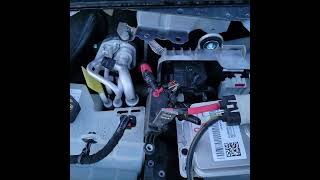
- Front Body Controller (VCFRONT): Located in the front of the vehicle, often under the frunk trim. 🎬 Watch: How to replace the VCFRONT module yourself It manages headlights, the front thermal system, and other forward components.
- Left Body Controller (VCLEFT): Typically found in the driver's side footwell area. It is responsible for the driver's door controls, driver's seat, steering wheel stalks, and other left-side functions.
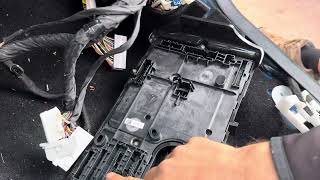
- Right Body Controller (VCRIGHT): Located behind the glove box and passenger-side trim. 🎬 See this step-by-step VCRIGHT replacement walkthrough It controls the passenger door, window, seat, and other right-side electronics.
In addition to these, a separate Security Controller (VCSEC), located in the center console, specifically manages key pairing (NFC cards and phone keys) and the vehicle's anti-theft system. The part number you may have seen, 1097855-00-H, is often identified as a rear Bluetooth or bumper module, likely for trailer functions or rear keyless sensing, and is separate from the main three body controllers.
Symptoms of a Failing Model 3 Body Controller


A failing body controller can cause a wide range of confusing electrical problems. Symptoms are often isolated to the specific zone managed by the faulty module.
- Unresponsive Controls on One Side: The most common symptom. For example, a failed VCLEFT might cause the driver's side door, window, mirror, and turn signal stalk to stop working entirely.
- Parasitic 12V Battery Drain: A faulty controller can fail to go to sleep, causing a continuous power draw that drains the 12V battery and prevents the car from waking up. This often leads to a vehicle that appears completely dead.
- Specific Component Failure: Sometimes, only a single function managed by the controller will fail, such as a power seat that will no longer recline.
- Erratic Lighting or Wipers: Issues with headlights, taillights, or windshield wipers that don't respond correctly can point to a VCFRONT failure.
- Inability to Drive: If the controller that manages the drive stalk or brake signals fails, the car may be unable to shift into drive or reverse.
Known Issues: Water Intrusion
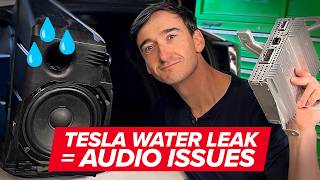
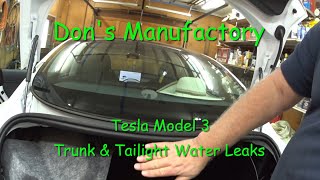
One of the most frequently reported causes of body controller failure, especially for the Right Body Controller (VCRIGHT), is water damage. The VCRIGHT module is located in the passenger footwell area, a location that can be vulnerable to leaks from the A-pillar, windshield seal, or even a clogged HVAC drain. Forum discussions describe owners facing large repair bills after a software update failed, only for the service center to diagnose the root cause as a water leak that shorted out the module. Some owners have also reported water collecting in the trunk, which can damage rear-mounted electronics.
🎬 Watch: Finding and fixing Tesla trunk water leaksWarning: After replacement, a new or used body controller is essentially a blank slate. It MUST be programmed to your vehicle's specific VIN and configuration by a qualified technician with access to Tesla's proprietary diagnostic software, known as Toolbox. This is not an optional step. The vehicle will not function correctly without it.
Buying a Used Tesla Model 3 Body Controller
Because programming is mandatory for both new and used modules, purchasing a used OEM controller is a cost-effective and reliable repair strategy. The hardware itself is generally robust, and a used part that has been properly configured is functionally identical to a new one.
What to Look For:
- Match the Part Number: Tesla uses many part number revisions. While a later revision may work, it's safest to match the part number from your original module exactly. There are different controllers for vehicles with different Autopilot hardware (HW3 vs. HW4) and for models with or without a heat pump.
- Inspect for Physical Damage: Carefully check the connectors for any signs of corrosion (green or white crust), which indicates past water exposure. Do not buy a module with corroded pins. Ensure the plastic casing is not cracked or broken.
- Source from a Reputable Seller: Purchase from an auto recycler that specializes in EVs and offers some form of guarantee that the part is functional.
Programming and Calibration Requirements

This is the most critical part of the replacement process. A body controller cannot be simply swapped from one car to another.
- Physical Installation: The old module is removed and the replacement is installed. This is a complex job requiring significant interior disassembly.
- Software Reinstall: The technician will initiate a full vehicle firmware reinstall through the car's touchscreen.
- Module Configuration: Using Tesla's Toolbox software, the technician runs a specific post-replacement procedure (e.g., `PROC_CONTROLLER_RIGHT_POST-REPLACEMENT-PROCEDURE`). This routine pairs the module to the car's VIN and configures it for the vehicle's specific options.
- Key Pairing (for VCSEC): If the Security Controller is replaced, all phone keys and NFC key cards must be deleted and re-paired to the new module.
Pro Tip: While a DIY-minded owner can physically swap the module to save on labor, the final programming step is unavoidable. You must plan for a visit to a Tesla Service Center or a well-equipped independent shop that has a subscription to Tesla's diagnostic services. Some functions are restricted to Tesla-authorized personnel only.
Cost Breakdown for Replacement
Costs can vary significantly based on which controller has failed and whether the cause was water damage, which can affect other components.
| Item | Estimated Cost | Notes |
|---|---|---|
| New OEM Module | $450 - $600 | Part cost directly from Tesla. Varies by controller type. |
| Used OEM Module | $100 - $350 | Prices from online recyclers and eBay. Varies by part number and condition. |
| Shop Labor (Physical Swap) | $350 - $1,000+ | Labor for replacement can be 1.5 to 3+ hours depending on the controller's location. |
| Programming & Configuration | $150 - $300 | Typically 1-2 hours of labor at a service center or qualified independent shop. |
| Total (with Used Part) | $600 - $1,650+ | This is a realistic range, assuming you use a qualified shop for the entire job. |
| Total (Water Damage) | $2,000+ | A forum member reported a $2,026 bill for a water-damaged VCRIGHT, which also required a new 12V battery. |
Frequently Asked Questions (FAQ)
Can I replace and program a Model 3 body controller myself?
You can physically replace the module if you are comfortable with extensive interior disassembly, but you cannot program it yourself. The final configuration requires Tesla's proprietary Toolbox software, which is only available to service centers and subscribed independent repair shops.
Will a used body controller from another Model 3 work in my car?
Yes, provided the part number is compatible with your vehicle's hardware (Autopilot version, heat pump, etc.). However, it must be reprogrammed to your car's VIN to function. It is not a plug-and-play part.
What is the difference between the Left, Right, and Front body controllers?
Each controller manages the electronic functions for a specific zone of the car. The Left controller (VCLEFT) handles driver's side components, the Right controller (VCRIGHT) handles the passenger side, and the Front controller (VCFRONT) manages items at the front of the vehicle, like lights and thermal components.
My car is completely dead. Could it be a body controller?
Yes. A common failure mode for a body controller is creating a parasitic draw that drains the 12V low-voltage battery. When the 12V battery is dead, the car will be completely unresponsive and will not wake up or charge. This is often misdiagnosed as just a bad 12V battery.
Helpful Videos
Technical Specifications
OEM Part Numbers: 1097855-00-H (Rear Bumper/BLE Module) 1583991-10-D (Front Controller, HW3) 1866750-00-B (Front Controller, Gen 3) 1585663-20-D (Front Controller, HW4) 1866750-20-B (Front Controller, Model 3 Highland)
System consists of multiple zonal controllers: VCFRONT (Front), VCLEFT (Left), VCRIGHT (Right), and VCSEC (Security). Compatibility is dependent on vehicle production date, Autopilot Hardware (HW3/HW4), and heat pump configuration.
We Have This Part in Stock


The information in this article is provided for general reference and educational purposes only. Vehicle specifications, procedures, and part compatibility can vary by production date, trim level, and region. Always consult your vehicle's factory service manual and verify part numbers before purchasing or performing repairs. Safety-critical components such as airbags, seat belts, and braking systems should be installed by a qualified professional.
- Tesla Model 3:
- 🎬 Helpful Videos
- 🛍️ Shop This Part
- Understanding the Model 3's Distributed Body Controller System
- Symptoms of a Failing Model 3 Body Controller
- Known Issues: Water Intrusion
- Buying a Used Tesla Model 3 Body Controller
- What to Look For:
- Programming and Calibration Requirements
- Cost Breakdown for Replacement
- Frequently Asked Questions (FAQ)
- 🎟️ Get 5% Off