

2008-2009 Subaru Impreza BIU: Solving Key, Lock & Battery Drain Issues
This guide explains the common failures of the Body Integrated Unit (BIU) in the 2008-2009 Subaru Impreza and why replacement requires mandatory programming.
- This part is called the Body Integrated Unit (BIU) in Subarus, not a BCM.
- A replacement BIU, whether new or used, is NOT plug-and-play. It MUST be programmed to your car's keys and immobilizer system, or the car will not start.
- You must match the part number from your original BIU exactly. Failure to do so will result in incompatibility.
- Parasitic battery drain is a very common symptom of a failing BIU, but always test the battery and alternator first.
Symptoms of a Failing Body Integrated Unit


A failing Body Integrated Unit (BIU) in a 2008-2009 Subaru Impreza can cause a wide range of confusing electrical problems. Because the BIU controls so many different systems, symptoms can seem random and unrelated. Here are the most common signs that your BIU may be failing:
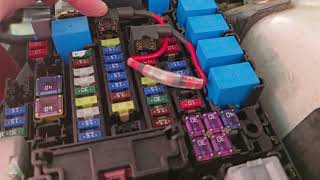
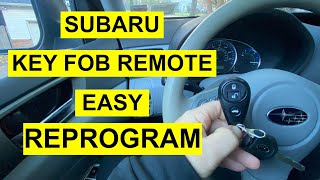
- Key Fob and Remote Entry Failure: One of the most frequent symptoms is the keyless entry remote suddenly stop working or only working intermittently. 🎬 Watch: Simple steps to program your Subaru key fob
- Power Lock and Window Issues: You might experience erratic behavior from your power door locks or windows, such as them not working at all or operating on their own.
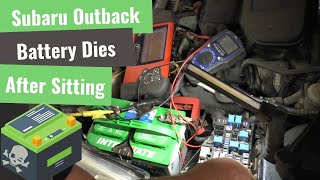
- Parasitic Battery Drain: A faulty BIU can fail to shut down completely, causing a slow but steady drain on the battery. This often leads to a dead battery after the car has been parked overnight or for a few days.
- Security System Malfunctions: The factory alarm may go off randomly or you might be unable to arm or disarm the system.
- Interior Lighting Problems: The dome light may stay on, flicker, or not turn on at all when the doors are opened.
- No-Start Condition: In severe cases, a complete BIU failure can prevent the car from starting because it is a key part of the immobilizer system. The BIU must recognize the key and communicate with the engine computer for the car to start.
Warning: The initial part numbers provided (31711AL410, 31711AL411, 31711AL412) are for a transmission valve body, not the Body Integrated Unit. Using these part numbers will result in acquiring the incorrect part. The correct BIU part numbers for this vehicle will typically start with a prefix like 88281FG.... Always match the part number from your original BIU.
Known Issues, TSBs, and Recalls
While there are no recalls specifically for the Body Integrated Unit itself, several recalls for the 2008-2009 Impreza relate to the electrical systems it controls.
- NHTSA Recall 19V064000: A faulty brake light switch could prevent the brake lights from illuminating and may also interfere with the push-button start system and vehicle stability control.
- NHTSA Recall WTM-73: On turbo models, a faulty relay for the secondary air injection pump could cause the pump to run continuously, overheat, and potentially cause a fire.
- Parasitic Drain: While not a recall, parasitic battery drain is a widely discussed issue for many Subaru models. Often, this is traced back to a faulty Data Communication Module (DCM) 🎬 Watch: How to fix a DCM parasitic battery drain or the BIU itself not allowing the vehicle's systems to fully go to sleep.
Subaru has also issued various Technical Service Bulletins (TSBs) related to reprogramming the BIU to fix issues with door lock logic or keyless entry operation on other models, demonstrating that the BIU's software can be updated to resolve certain problems.
Buying a Used Body Integrated Unit
Purchasing a used BIU is a cost-effective way to fix your Impreza's electrical issues, but it requires careful attention to detail. A used OEM module is often more reliable than a new aftermarket part, which is generally not available for this component anyway.
THE MOST IMPORTANT THING TO KNOW: A used BIU is NOT a plug-and-play part. It absolutely must be programmed to your vehicle after installation.
- Match the Part Number EXACTLY: The BIU is specific to the vehicle's trim and options (e.g., keyless entry, alarm system). You must match the OEM part number on the replacement unit to the one on your original module. Common part numbers for this generation start with 88281FG, such as 88281FG050.
- Physical Inspection: When you receive the used BIU, inspect it for any signs of physical damage, especially corrosion on the pins or water marks on the casing. Water intrusion is a common cause of failure.
- Plan for Programming: A replacement BIU, new or used, must be synchronized with your vehicle's Engine Control Unit (ECU), instrument cluster, and keys. This is because the BIU is part of the immobilizer security system. Without this step, your car will not start.
Programming and Immobilizer Information

This is the most critical step of the replacement process. The BIU, ECU, instrument cluster, and keys are all electronically linked. If you swap the BIU, the new module will not recognize your existing keys, and the car will not start.
Pro Tip: Before condemning your BIU, ensure your battery is fully charged and in good health, and check all related fuses. A weak battery can cause many strange electrical symptoms that mimic a failing BIU.
Who can program the BIU?
- Subaru Dealerships: A dealer can always perform the programming using their proprietary Subaru Select Monitor (SSM) software. This is the most straightforward but often most expensive option.
- Independent Repair Shops: Many independent shops that specialize in Japanese vehicles or auto electronics will have advanced scan tools (like high-end Autel or Snap-on scanners) capable of performing the immobilizer registration and key programming.
- Automotive Locksmiths: A well-equipped automotive locksmith can often perform the necessary programming, especially if it just involves adding keys to the new module.
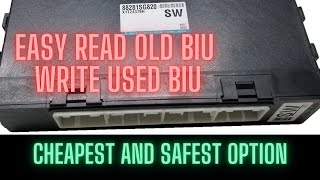
- Mail-In Cloning Services: Several services allow you to mail in your original BIU and a compatible used donor unit. They will clone the data from your original module—including key and immobilizer information—to the donor unit. This makes the replacement BIU essentially plug-and-play, with no further programming needed. 🎬 See how the BIU cloning process works This is an excellent option if your original BIU is damaged but can still be read.
Warning: When programming a new BIU, the technician may need ALL keys that have ever been registered to the car. If you only have one key, be prepared that you may need to have all keys erased from the system and re-added. Discuss this with your chosen technician beforehand.
Cost Breakdown
Prices can vary by location and supplier, but here is an estimated cost comparison:
| Item | Estimated Cost |
|---|---|
| New OEM (Dealer) | $400 - $600 |
| New Aftermarket | Not Generally Available |
| Used OEM (Salvage) | $50 - $150 |
| Mail-In Cloning Service | $150 - $250 |
| Shop Labor (Replacement) | $100 - $200 (approx. 1.0-1.5 hours) |
| Shop Labor (Programming) | $100 - $250 (approx. 0.5-1.5 hours) |
Frequently Asked Questions (FAQ)
Where is the Body Integrated Unit located on a 2008-2009 Impreza?
The BIU is located inside the cabin, typically behind the dashboard on the driver's side, near the steering column. It is often mounted to a bracket and may require removing the lower dash panel to access.
Can I drive my car with a failing BIU?
It depends on the symptoms. If you are only experiencing issues with comfort features like windows or locks, you can likely still drive the car. However, if the BIU is causing a parasitic battery drain that leaves you stranded, or if it's affecting the immobilizer and causing a no-start condition, the vehicle is not reliable and should be repaired.
Do I need to replace my keys when I replace the BIU?
No, you do not need to buy new keys. However, your existing keys must be electronically reprogrammed to the replacement BIU for the car to start.
Will a used BIU from a car with a different engine or trim level work?
No, it is critical to get a BIU from a car with the exact same specifications. The part number on the module must match your original part number to ensure compatibility with your vehicle's options and systems.
Helpful Videos

Technical Specifications
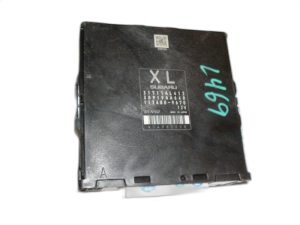
OEM Part Numbers: 88281FG030 88281FG050 88281FG110
The BIU for the 2008-2009 Impreza is located behind the driver's side lower dash, near the steering column. It operates on the vehicle's 12V system and communicates via the CAN network. It is a critical component of the vehicle immobilizer system.
We Have This Part in Stock




The information in this article is provided for general reference and educational purposes only. Vehicle specifications, procedures, and part compatibility can vary by production date, trim level, and region. Always consult your vehicle's factory service manual and verify part numbers before purchasing or performing repairs. Safety-critical components such as airbags, seat belts, and braking systems should be installed by a qualified professional.
- Subaru Impreza: